
Kevin Warsh's first Federal Reserve meeting as chair dismantled the "dollar devaluation trade," sending gold 29% below its peak and bitcoin below $60,000.
Kevin Warsh's first Federal Reserve meeting as chair dismantled the "dollar devaluation trade," sending gold 29% below its peak and bitcoin below $60,000.
Kevin Warsh's first Federal Reserve meeting as chair dismantled the "dollar devaluation trade," sending gold 29% below its peak and bitcoin below $60,000.
The Fed held its benchmark rate at 3.50% to 3.75% at Chair Kevin Warsh's June 17 debut, but a hawkish shift — nine of 19 officials now see at least one hike by year-end — triggered a violent repricing across gold, silver, bitcoin and currencies.
"The bond market is pricing a complete repricing of the rate path," said Stephen Innes, managing partner at SPI Asset Management. "Warsh's emphasis on price stability over forward guidance has convinced markets he's serious about taming inflation."
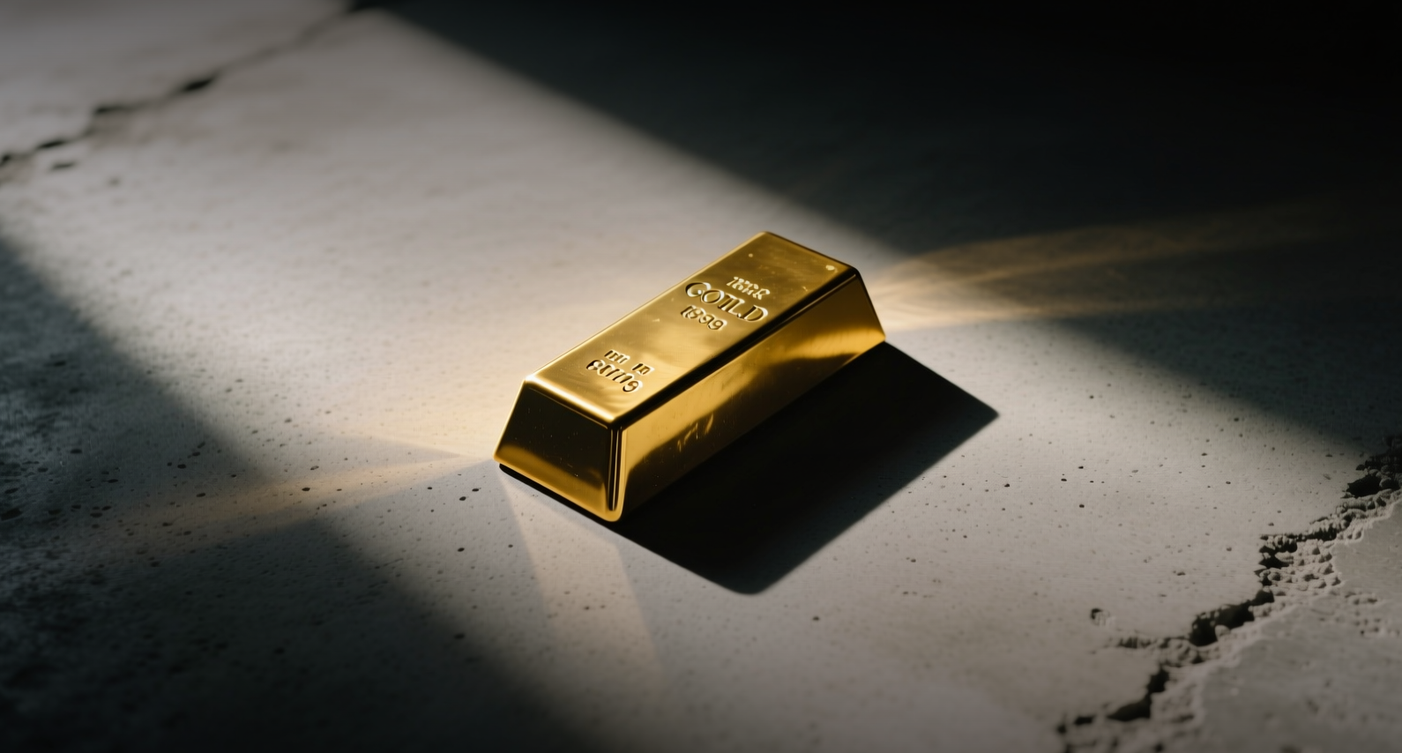
Gold tumbled below $4,000 an ounce for the first time since November 2025, extending its retreat from January's all-time high of about $5,600 to roughly 29%. Silver suffered an even steeper decline, falling more than 50% from its $121 peak to below $60 an ounce. Bitcoin dropped below $60,000 for the first time since late 2024, sliding from around $66,000 ahead of the decision. The dollar index surged 2.8% in June to a 14-month high, with the yen weakening to near a 40-year low against the greenback.
The selloff marks the dismantling of the "devaluation trade" — a multiyear bet that fiscal profligacy and central bank tolerance for inflation would drive hard assets higher. With Warsh indicating a return to inflation-fighting orthodoxy, CME FedWatch data shows traders now price a 68% probability of a September rate hike, up from 29% the prior week. Markets are pricing as many as three increases this year, a dramatic reversal from the rate-cut expectations that prevailed before Warsh's nomination.
The dollar's strength has been the transmission mechanism for the selloff. A stronger greenback makes dollar-priced commodities more expensive for overseas buyers, while rising rate expectations increase the opportunity cost of holding non-yielding assets. The DXY's 2.8% monthly gain puts it on track for its largest advance in nearly a year.
The move has forced a rotation out of precious metals and into semiconductor stocks. A wave of coordinated capital has shifted from crypto, meme stocks and gold into chipmakers, with South Korea's Samsung Electronics and SK Hynix emerging as primary destinations, according to Mark Hackett, chief market strategist at Nationwide Investment Management Group.
"The dollar strength was the trigger, and the Fed policy shift was the root cause," Hackett said. "But it's being used as an excuse for a coordinated sector rotation."
Micron Technology's better-than-expected quarterly report late Wednesday temporarily halted the chip sector's selloff, with revenue guidance exceeding estimates and 12-month rolling profit quadrupling in two quarters. But multiple analysts warn the semiconductor rally carries hallmarks of a historic top.
Larry McDonald of Bear Traps Report noted that semiconductor stocks swinging by more than $100 billion in market value within hours is a pattern historically seen only near major market tops or bottoms. BCA Research recommended closing its long-semiconductor, short-hyperscaler trade after the strategy more than doubled year-to-date, calling the current move "amplified by highly speculative forces."
SK Hynix's announcement of a $29 billion U.S. stock offering adds to the caution, with new issuance potentially absorbing liquidity that would otherwise support further gains.
All eyes now turn to Friday's U.S. Personal Consumption Expenditures index, the Fed's preferred inflation gauge. A softer reading could revive hopes for policy easing and provide relief for gold and bitcoin. A stubborn print would reinforce the hawkish narrative, keeping pressure on non-yielding assets. The Fed's next meeting is scheduled for July, with the September meeting now the focal point for a potential rate increase.
This article is for informational purposes only and does not constitute investment advice.
