
US consumers kept spending in June, but a sharp drop in gasoline receipts held the headline gain to just 0.2%, masking stronger e-commerce demand and an upward revision to May.
US consumers kept spending in June, but a sharp drop in gasoline receipts held the headline gain to just 0.2%, masking stronger e-commerce demand and an upward revision to May.
US consumers kept spending in June, but a sharp drop in gasoline receipts held the headline gain to just 0.2%, masking stronger e-commerce demand and an upward revision to May.
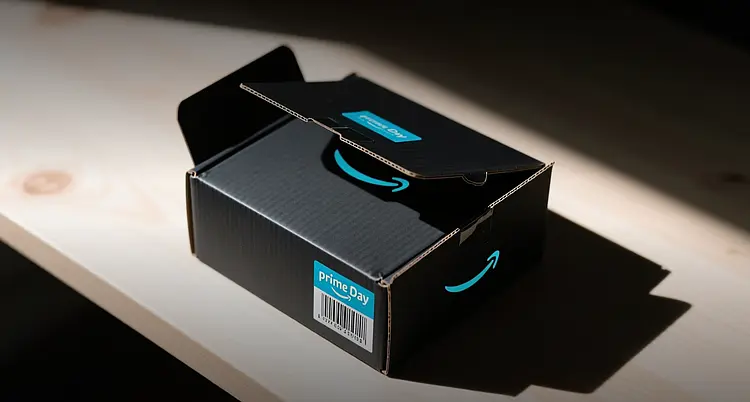
US retail sales rose a modest 0.2% in June, matching economists' forecasts, as a 5.3% decline in gasoline station revenue dragged on the headline and obscured a 1.9% jump in online spending tied to Amazon's Prime Day event.
"The roughly 50-cent decline in gasoline prices acted like a tax cut for consumers, freeing up cash for other purchases," said Elizabeth Renter, senior economist at NerdWallet. "But the modest headline shows households are still cautious despite that tailwind."
Seven of 13 retail categories posted gains. The Commerce Department also revised May's reading up to 1.0% from 0.9%, indicating consumer momentum entering the second quarter was stronger than initially reported. Gasoline station receipts fell 5.3% as the national average pump price dropped about 50 cents a gallon in June, according to AAA data. Non-store retailers jumped 1.9%, reflecting the timing of Amazon's annual Prime Day promotion.
The data paints a picture of a resilient but uneven consumer, giving the Federal Reserve room to maintain its current stance while it assesses whether disinflation can sustain. Fed Governor Chris Waller said this week the central bank needs to see the disinflationary trend hold over several months before calling off further tightening. Markets currently price one more rate increase this year, with the next decision due July 29.
The June report follows a period of elevated inflation that has left prices more than 25% higher than five years ago, according to Labor Department data. While the annual inflation rate cooled to 3.5% in June from 4.2% in May — helped in part by the 9.7% monthly drop in gasoline prices — consumers continue to face higher costs for everyday goods. Food prices rose 0.2% in June and are up 3.1% from a year earlier.
"The average consumer looks at price levels, and the level of prices hasn't come down," said Ryan Sweet, chief global economist at Oxford Economics. "A lower inflation rate doesn't mean prices are falling — it just means they're rising more slowly."
The retail sales data offers some support for the view that consumer spending can hold up even as the labor market shows signs of cooling. Nonfarm payrolls have averaged 177,000 per month over the past three months, above the roughly 100,000 breakeven rate estimated by the Atlanta Fed. Wage growth, while moderating, remains above pre-pandemic trends.
The breakdown by category reveals a consumer shifting spending toward services and away from goods. Spending at restaurants and bars rose 0.4% in June, while furniture and home furnishing stores posted a 0.3% decline. Electronics and appliance stores were flat. The divergence suggests the post-pandemic rotation from goods to services is still underway, even as overall spending growth slows.
The dollar edged lower after the release, with the Bloomberg Dollar Spot Index down 0.1% as traders saw the in-line data as unlikely to shift the Fed's policy path. Treasury yields were little changed, with the two-year note hovering near 4.12%. The S&P 500 opened modestly higher, with consumer discretionary stocks gaining 0.3% as investors welcomed the steady spending picture.
This article is for informational purposes only and does not constitute investment advice.