
A stark mismatch between rising inventory in markets like Denver and a nationwide plunge in new construction complicates the US real estate outlook.
A stark mismatch between rising inventory in markets like Denver and a nationwide plunge in new construction complicates the US real estate outlook.
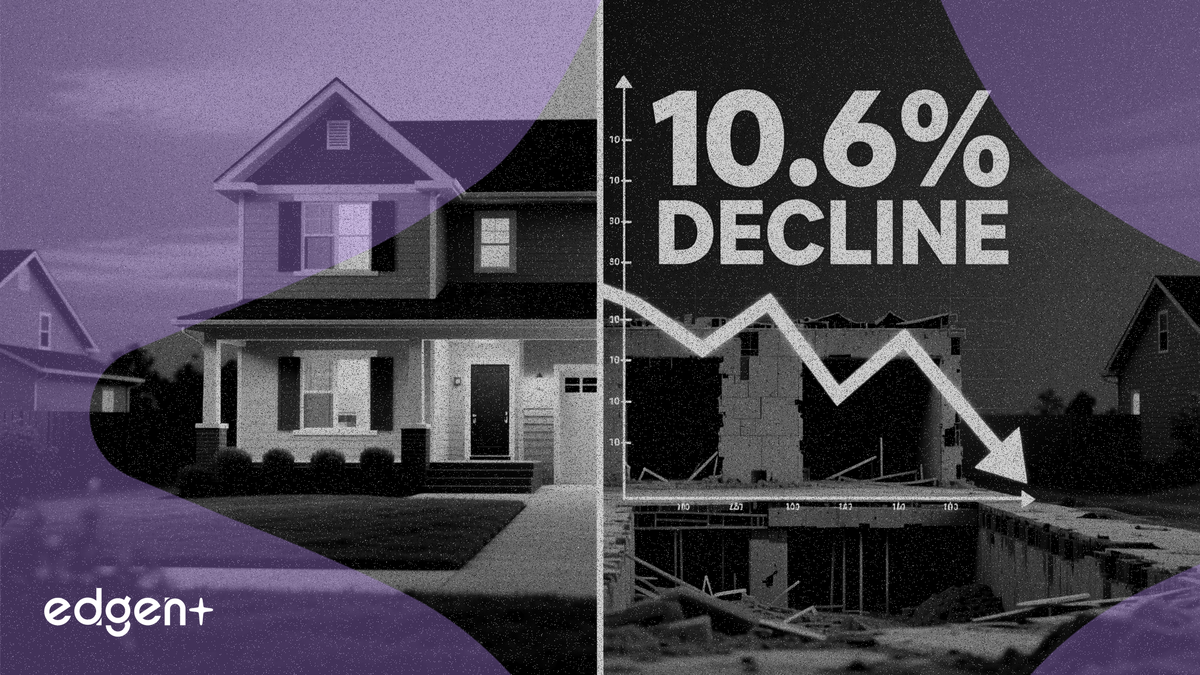
A complex picture is emerging in the US housing market, where localized inventory gains in cities like Denver and Honolulu contrast sharply with a nationwide downturn in new construction, with single-family housing starts tumbling 10.6% in April.
"The divergence between resilient consumer demand in specific metro areas and the broader pullback from builders facing financing pressure is significant," said Robert Dietz, chief economist at the National Association of Home Builders. "It's not a single, monolithic market anymore."
The report, which highlighted improving for-sale inventory in previously red-hot markets, comes as Commerce Department data showed single-family housing starts fell to a seasonally adjusted annual rate of 1.031 million units last month. This slowdown is impacting related sectors, with building materials manufacturer Louisiana-Pacific (NYSE:LPX) seeing its stock face pressure as it navigates the shifting construction landscape.
This inventory mismatch creates a precarious balance for the Federal Reserve. While improved supply in some areas could temper localized inflation, the sharp national decline in construction activity points to economic fragility, potentially influencing the central bank's upcoming decisions on interest rates.
The drop in housing starts reflects a cautious stance from builders grappling with persistent inflation and elevated borrowing costs. The decline in construction activity is a key headwind for the economy, as the housing sector has wide-ranging impacts on everything from building material suppliers to employment. Louisiana-Pacific, a major producer of engineered wood products, serves as a barometer for the industry's health, and its recent market performance indicates that investors are bracing for a period of lower demand.
While markets like Denver and Honolulu are finally seeing more homes become available, offering some relief to buyers, the national trend suggests this may not be widespread. The overall housing supply remains tight by historical standards, and the recent drop in new construction will only exacerbate this issue in the medium term. This dynamic is likely to keep upward pressure on prices in many regions, even as some specific cities become more attainable.
Looking ahead, the real estate industry is also seeing technological shifts. In a parallel development, the Dubai real estate market saw the launch of Rechitta, an AI-powered platform designed to streamline communication between developers, brokers, and buyers. While focused on a different market, it highlights a global trend toward using technology to manage demand and increase transparency in the real estate sector, a trend that could eventually see wider adoption in the US to better navigate supply and demand imbalances.
This article is for informational purposes only and does not constitute investment advice.
