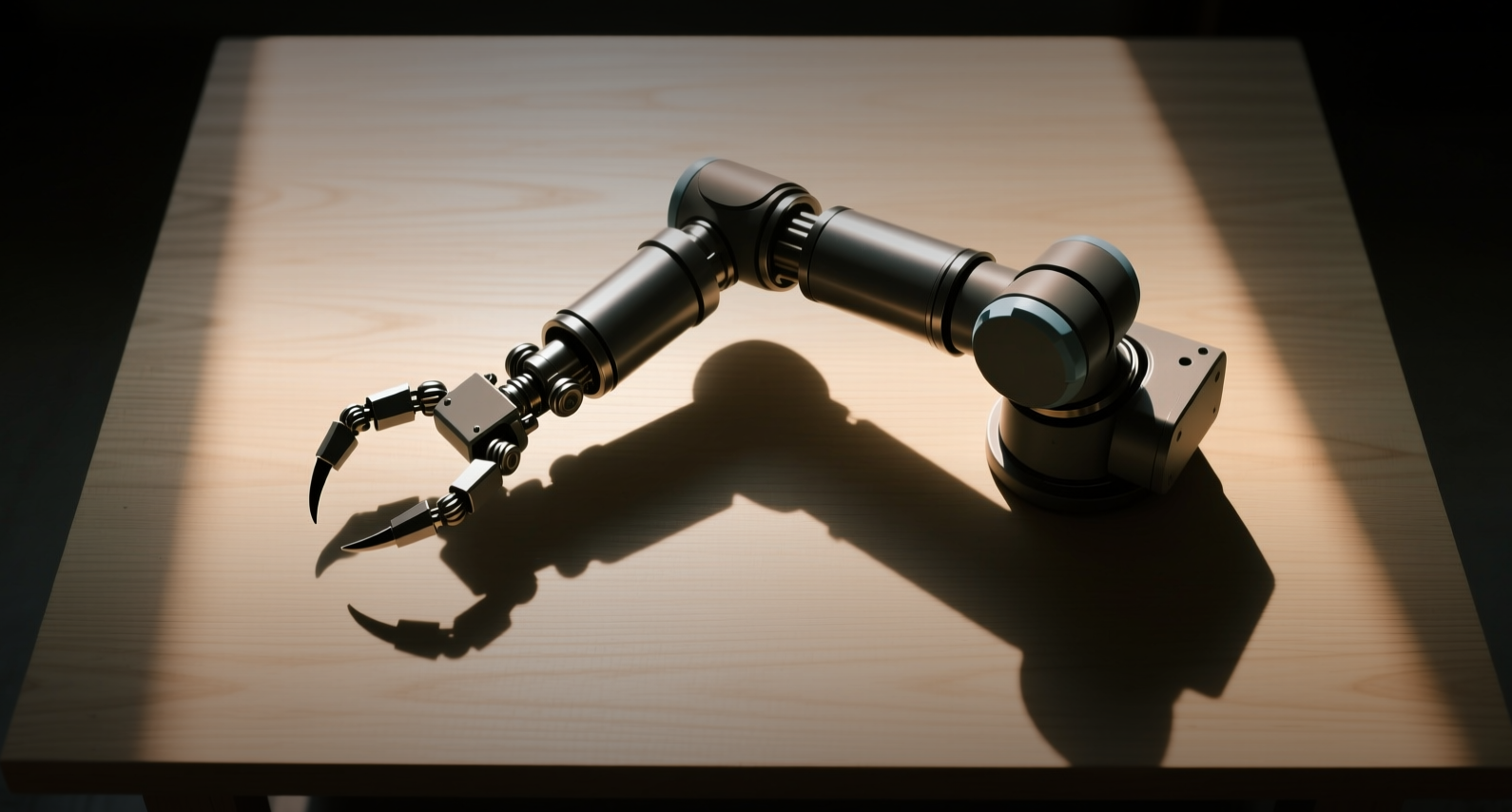
UN Secretary-General António Guterres called Monday for lethal autonomous weapons to be banned by international law, declaring that machines selecting targets without human control is "morally repugnant." The call comes as the Anthropic-Pentagon legal dispute over AI use in autonomous weapons enters its fifth month and three Democratic US Senate bills seek to codify restrictions on military AI.
"Machines selecting and engaging their target and taking a life — without human control and judgment. That is morally repugnant," Guterres said in a speech on AI governance in Geneva. "Let us call them what they are: killer robots." The UN chief urged governments not to "wait for atrocity to act," adding that "some decisions must remain forever human — none more than taking a human life."
The speech resurfaced a dispute that erupted in February when Anthropic refused Pentagon demands to allow "any lawful use" of its Claude AI models, including for autonomous weapons and domestic mass surveillance. The Pentagon designated Anthropic a supply-chain risk to national security — the first such designation applied to an American company — and President Trump ordered federal agencies to cease using Anthropic technology. Two federal courts are now hearing separate lawsuits, with a California judge temporarily blocking the Pentagon's punitive measures in March after finding the designation "likely both contrary to law and arbitrary and capricious."
The governance vacuum the dispute exposed has drawn legislative attention. Three Democratic senators have introduced bills this year targeting military AI: Senator Adam Schiff's HALO Act would require a human commander to retain ultimate authority over any use of force involving autonomous weapons systems; Senator Elissa Slotkin's AI Guardrails Act would prohibit AI from authorizing nuclear weapons launches and bar autonomous systems from carrying out lethal strikes without human authorization; and Senator Kirsten Gillibrand's Secure and Accountable Military AI Act would restrict AI use in nuclear weapons deployment, domestic surveillance, and fully autonomous systems. The bills have not advanced in the Republican-controlled Congress.
The Pope's Parallel Call
Pope Leo XIV made the case for a ban on AI-controlled weapons in his papal encyclical this spring, warning that AI systems threatened to "normalize an anti-human vision." He said AI-driven weapons risked lowering the political costs of war for those who possess advanced AI, making "war more 'feasible' and less subject to human control." The Pope's intervention and Guterres' speech reflect growing international pressure for binding restrictions, though no formal treaty process is underway.
The Market Stakes
The dispute carries direct implications for defense contractors and AI companies. Anthropic's $200 million Pentagon contract, signed in July 2025, was the first to integrate frontier AI models into classified military networks. OpenAI stepped in hours after Trump's ban to supply its models to the Pentagon, though the rushed deal prompted the resignation of OpenAI's robotics lead Caitlin Kalinowski, who said policy guardrails were "not sufficiently defined." The Pentagon has continued using Claude for operational targeting in the Iran conflict during the six-month phase-out period, according to reports the DoD has not officially confirmed.
The last time the UN chief issued a comparable call on weapons technology — a 2018 push for a ban on fully autonomous weapons — no binding international agreement followed. The current push faces similar headwinds: the US, Russia, and China have all opposed binding restrictions on lethal autonomous weapons at UN talks. But the Anthropic dispute has shifted the debate from abstract principle to concrete contract terms, and the three Senate bills represent the most serious US legislative effort to date to define where AI can and cannot make life-and-death decisions.
This article is for informational purposes only and does not constitute investment advice.