
The leader of one of America's most powerful unions is targeting a trade deal established under the prior administration, creating new risks for automakers.
The leader of one of America's most powerful unions is targeting a trade deal established under the prior administration, creating new risks for automakers.
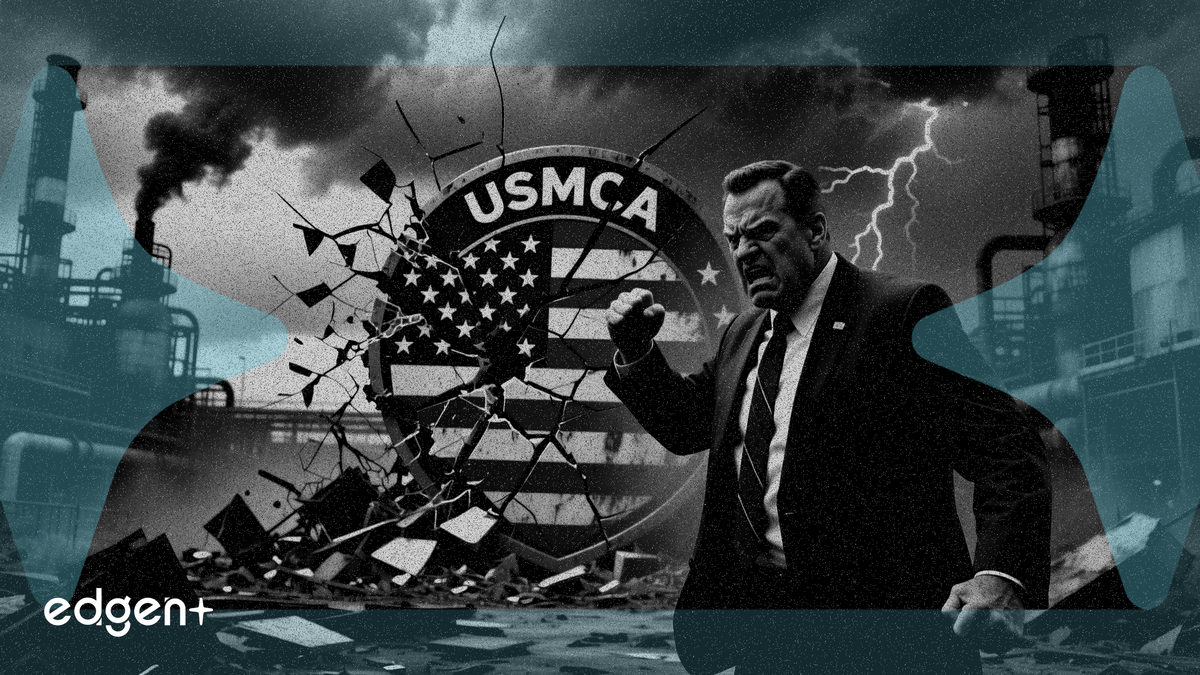
The president of the United Auto Workers union on May 21 criticized the U.S.-Mexico-Canada trade agreement signed in 2020, labeling the four-year-old pact a “free-trade disaster” for the nation's automotive sector.
The criticism centers on provisions within the USMCA that the UAW believes have failed to protect American jobs and have encouraged automakers to move production to Mexico, according to public statements from the union.
The USMCA, which replaced the North American Free Trade Agreement (NAFTA) in 2020, allows for tariff-free treatment of cars if 75 percent of their components are sourced from North America. However, the UAW argues this threshold is not high enough and that wage provisions in the deal are insufficient to prevent a shift of labor to lower-cost regions.
The UAW's aggressive stance could signal a new wave of labor disputes and pressure on automakers like General Motors, Ford, and Stellantis to increase domestic production. For investors, this raises the possibility of future supply chain disruptions, increased labor costs, and a potential renegotiation of North American trade policies, adding a layer of uncertainty for automotive stocks.
The union's vocal opposition arrives at a sensitive time for the North American auto industry, which is navigating a complex transition to electric vehicles while managing persistent supply chain vulnerabilities. The USMCA was originally intended to bring stability and encourage investment in the region, but the UAW's recent statements suggest that the deal's long-term benefits for American workers are now under intense scrutiny. A renewed push for more protectionist measures could reshape the competitive landscape for the Detroit automakers and their international rivals.
This article is for informational purposes only and does not constitute investment advice.
