Key Takeaways:
- TSMC adds Winbond as DRAM wafer supplier for WoW 3D packaging
- Winbond's CUBE architecture offers 256Mb to 8Gb memory per die
- TSMC's localization program cut validation times by roughly 50%
Key Takeaways:
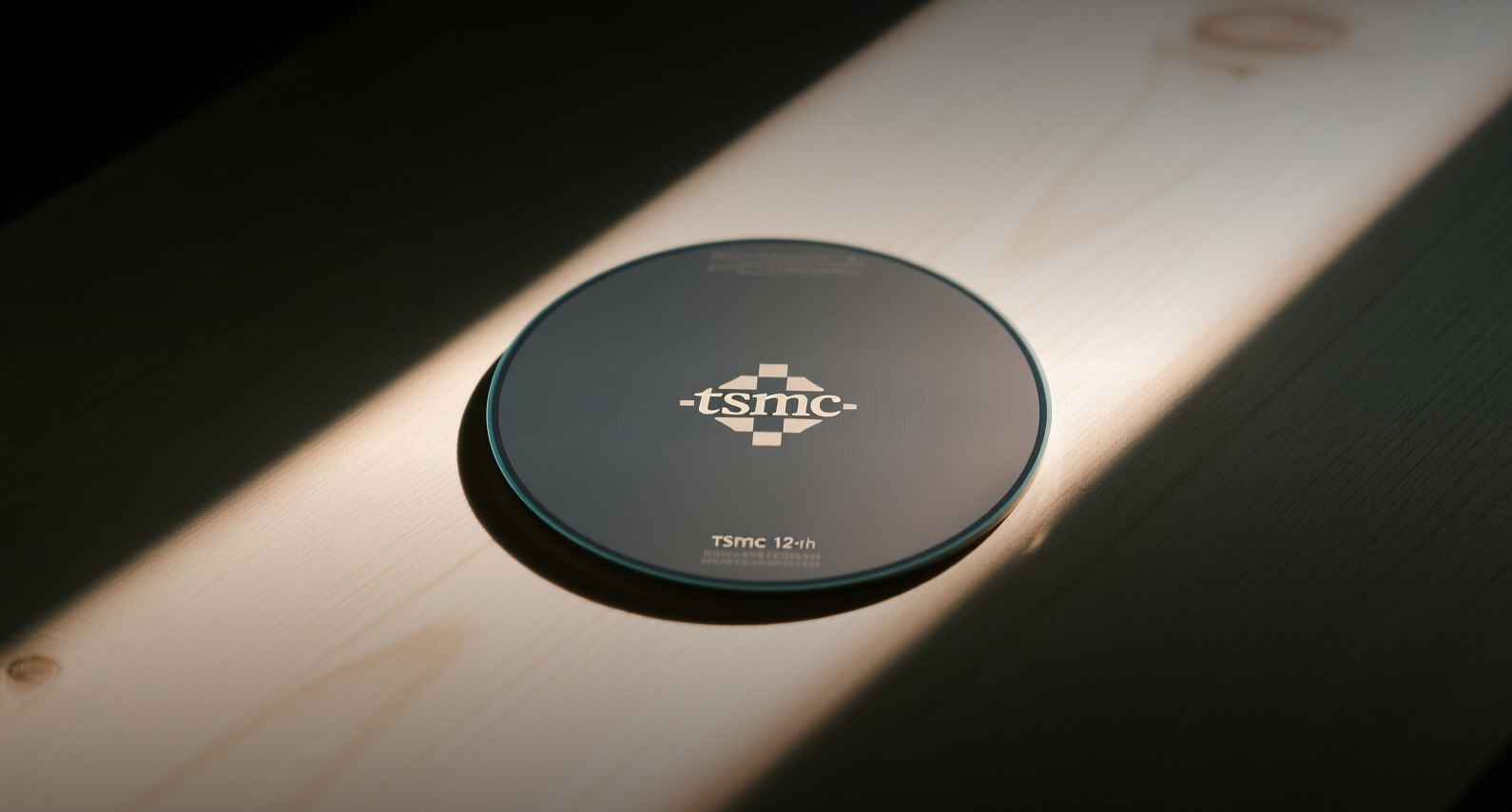
TSMC is bringing Taiwan's Winbond Electronics into its AI chip supply chain for wafer-on-wafer DRAM stacking, a move that reduces dependence on Samsung, SK Hynix and Micron as global memory supply tightens.
TSMC is adding Winbond Electronics as a DRAM wafer supplier for its wafer-on-wafer (WoW) 3D packaging technology, reducing reliance on Samsung, SK Hynix and Micron as global memory supply tightens.
"Memory is turning from an inventory risk into a strategic resource," Winbond said, as customers secure supply earlier to protect product launch timelines.
Winbond's proprietary CUBE architecture (Customized Ultra-Bandwidth Elements) offers scalable memory from 256Mb to 8Gb per die, designed for TSMC's SoIC/WoW stacking process. The collaboration falls under TSMC's Parts Localization Program, which has contributed over NT$2 billion ($62 million) in annual output value and cut validation times by roughly 50% as of February 2026.
For Winbond, the partnership marks an entry into the AI core supply chain from its traditional niche in specialty DRAM and NOR Flash memory. For TSMC, it creates an alternative to South Korean memory giants that supply most high-bandwidth memory (HBM) used in AI training today.
WoW Technology and the Memory Wall
Wafer-on-wafer stacking uses hybrid bonding to connect logic chips and memory wafers directly through hundreds of thousands of microscopic copper contacts. The approach shortens data travel distances compared with conventional packaging, delivering higher bandwidth and lower power consumption — a critical advantage as AI workloads increasingly hit the "memory wall" where data transfer speeds lag behind compute speeds.
TSMC's WoW partnership requirements are exacting: suppliers must demonstrate 12-inch wafer mass production capability, high yields and specialized process experience. Winbond's decades of niche DRAM and NOR Flash manufacturing, rather than commodity DRAM production, gave it the technical profile TSMC sought, according to industry observers.
Supply Chain Localization Gains Momentum
TSMC's Parts Localization Program, initiated in 2024, has driven over NT$2 billion in annual output value and reduced supplier validation timelines by approximately 50%. The Winbond DRAM collaboration is the program's most significant semiconductor-memory integration to date.
The move comes as Samsung and SK Hynix are reportedly preparing a combined $1.3 trillion investment plan, signaling that memory supply will remain constrained as AI demand accelerates. Most high-bandwidth memory used in AI training today comes from the two South Korean suppliers, making TSMC's diversification push strategically timed.
UMC, Taiwan's second-largest foundry, announced its own wafer-to-wafer 3D IC initiative involving Winbond and other partners in October 2023, suggesting a broader industry shift toward localized memory supply chains in Taiwan.
Neither TSMC nor Winbond has disclosed yield data or production timelines for the WoW collaboration. Specific details remain sparse, as neither company has issued significant public announcements about the project beyond confirming the partnership.
What This Means for Investors
Winbond's stock is likely to see a re-rating as it transitions from a niche memory player into the AI core supply chain. TSMC strengthens its bargaining position with the three dominant memory makers while building supply chain resilience. For Samsung, SK Hynix and Micron, the partnership signals that major customers are actively seeking alternatives — a dynamic that could pressure pricing power in the DRAM market over time. TSMC trades at roughly 18x forward earnings, with the Winbond partnership representing a modest but strategically important step in its broader supply chain localization effort.
This article is for informational purposes only and does not constitute investment advice.
