
Global investment in artificial intelligence infrastructure is reshaping Thailand's export economy, with electronics shipments propelling outbound trade to an all-time high.
Global investment in artificial intelligence infrastructure is reshaping Thailand's export economy, with electronics shipments propelling outbound trade to an all-time high.
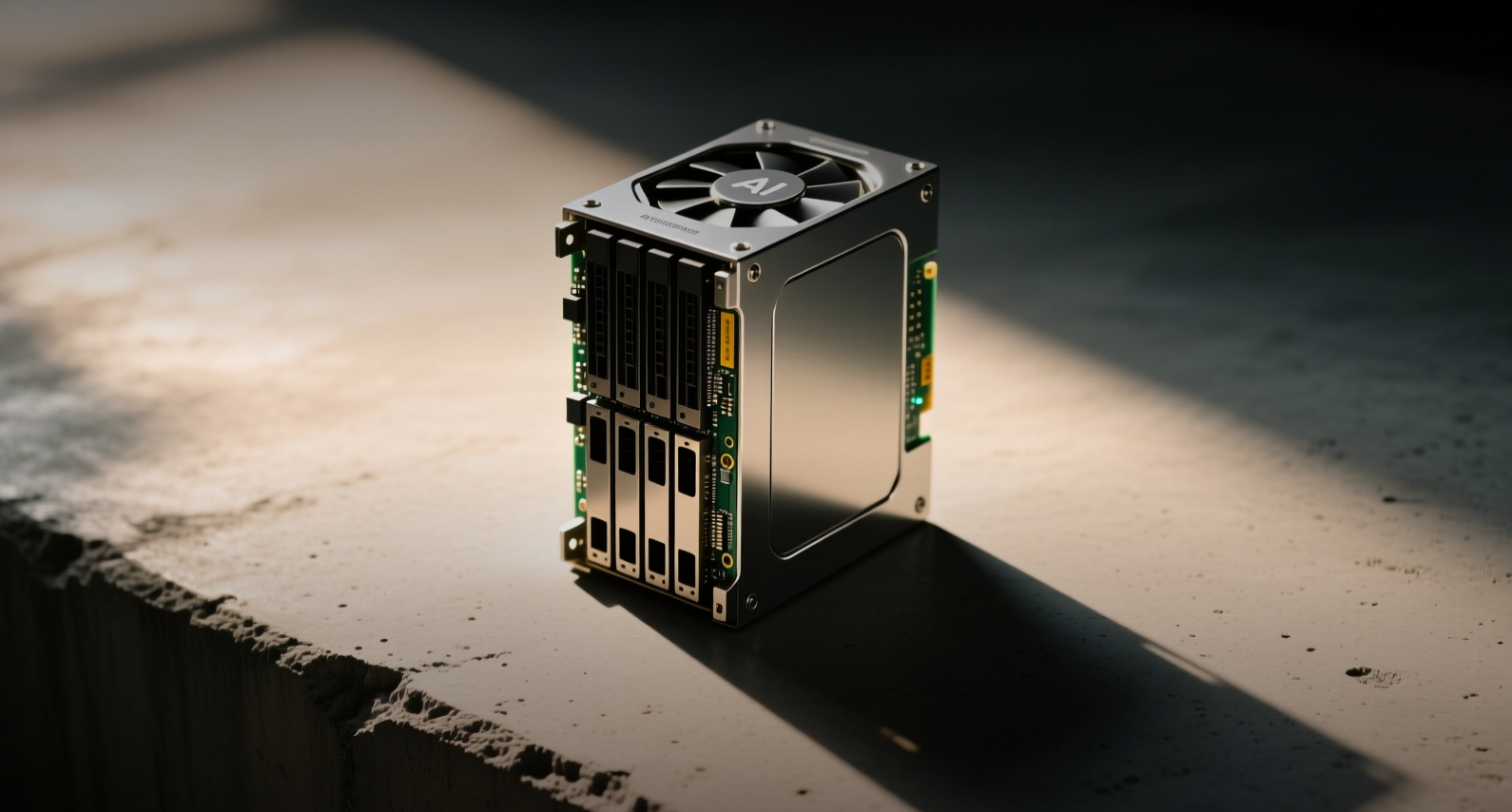
Global investment in artificial intelligence infrastructure is reshaping Thailand's export economy, with electronics shipments propelling outbound trade to an all-time high.
Thailand expects exports to reach a record $366.8 billion this year, up 8% from 2025, as surging global AI infrastructure investment drives demand for electronics made in the country.
"Electronics, which now account for nearly one-third of Thailand's exports, are expected to lead the gains as technology companies ramp up investment in AI infrastructure worldwide," Nantapong Chiralerspong, director-general of the Trade Policy and Strategy Office, said Tuesday.
The upbeat annual forecast masks a slowdown in monthly momentum. May exports rose 10.6% from a year earlier, down sharply from April's 23.1% surge, which the official attributed to weaker agricultural shipments and a high base of comparison. Imports grew 35.1% in May, cooling from 45% the prior month, narrowing the trade deficit to $5.7 billion from April's record $10 billion.
The AI-driven export boom carries significant weight for Thailand's economy. Electronics now represent roughly a third of all outbound shipments, making the country's trade performance highly sensitive to the durability of the AI investment cycle. Any slowdown in global tech capital spending could directly threaten the record export target.
Thailand's emergence as a beneficiary of the AI buildout extends beyond trade data. The nation's benchmark stock index is the best performer in Southeast Asia this year, powered largely by Delta Electronics (Thailand) Pcl, a maker of power systems for AI data centers. The stock has surged more than 80% in 2026, making it Thailand's first $100 billion company and giving it a market value larger than the next four-largest Thai stocks combined.
The pattern mirrors a broader dynamic playing out across Asia's technology-driven economies. In Taiwan and South Korea, AI chip demand has driven exports and stock markets to record levels, though the gains remain concentrated in a narrow slice of the semiconductor sector, leaving traditional manufacturers and service industries behind. Economists describe the phenomenon as a "K-shaped" divide, where some industries thrive while others stall.
For Thailand, the concentration risk is particularly acute. While the country has long served as a manufacturing hub for electronics components — including hard disk drives, servers, and semiconductors — the current export surge hinges on a single demand driver: AI infrastructure. The Trade Policy and Strategy Office's forecast assumes continued robust investment by global tech giants in data centers and computing capacity.
The last time Thailand's electronics exports experienced a comparable demand shock was during the pandemic-era work-from-home boom of 2020-2021, when global semiconductor shortages pushed Thai electronics shipments up 14% over two years. That cycle proved temporary, with exports normalizing as supply chains adjusted. The current AI-driven wave is larger in scale — Delta Electronics alone now commands a market capitalization exceeding the entire Thai stock market's value a decade ago — but its durability remains untested.
The government's full-year target of $366.8 billion will depend on whether AI-related capital expenditure by US hyperscalers and Chinese technology firms maintains its current trajectory. Any pullback in data center investment or a shift in semiconductor supply chains could quickly erode the electronics-driven gains that underpin Thailand's record export forecast.
This article is for informational purposes only and does not constitute investment advice.
