


The Pentagon is pulling together SpaceX, Rocket Lab and Lockheed Martin to build a space-based laser network for tracking airborne threats.
The Pentagon is pulling together SpaceX, Rocket Lab and Lockheed Martin to build a space-based laser network for tracking airborne threats.
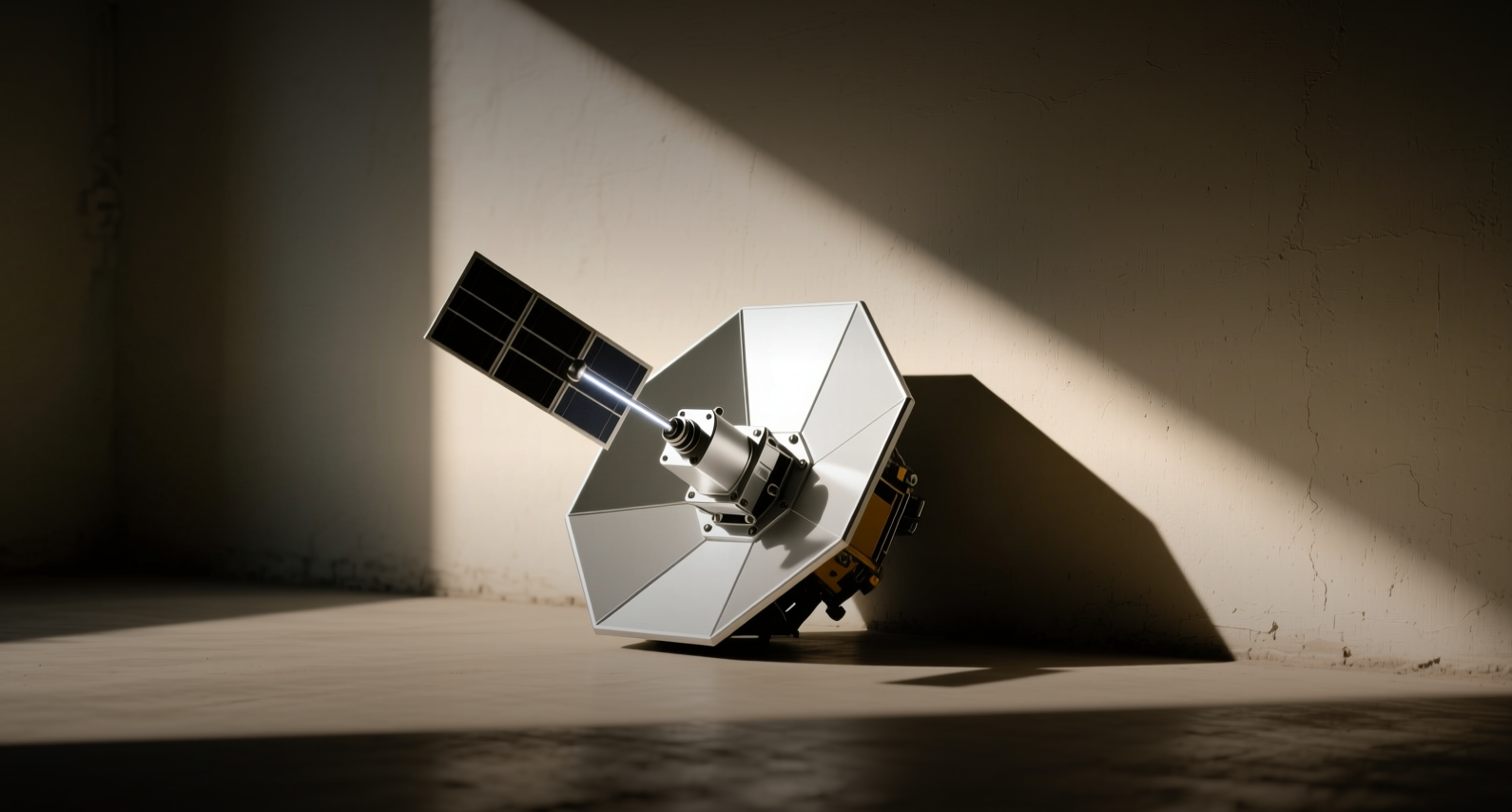
The Pentagon is pulling together SpaceX, Rocket Lab and Lockheed Martin to build a space-based laser network for tracking airborne threats.
SpaceX has enlisted Rocket Lab and Lockheed Martin as partners in a military space-laser project to build a satellite network capable of tracking airborne threats, according to government documents published June 24.
The documents, reviewed by MarketWatch, list the three companies as partners on the project under the U.S. Space Force. The program is described as a space-laser initiative focused on detecting and tracking airborne threats from orbit.
The project adds to a wave of defense space contracts reshaping the sector. Boeing separately won a contract worth as much as $2 billion to build two next-generation MUOS communications satellites for the Space Force, prevailing over Lockheed Martin in a competition announced June 23. Rocket Lab earlier this year demonstrated its end-to-end defense capability with the Victus Haze mission, launching a satellite for the Space Force within 16 hours and 42 minutes of receiving the order, under a $32 million contract.
The laser-equipped satellite network represents a new category of space-based defense, moving beyond communications and surveillance into active threat tracking. For the companies involved, the project opens a revenue pipeline that could rival traditional satellite programs, which typically run into the billions. The Space Force's broader push to commercialize ground infrastructure — including the SCAR program, which replaced a $1.7 billion single-vendor contract with an open competition — signals that future defense spending will favor companies that can deliver integrated systems.
The project places SpaceX, already the Pentagon's largest launch provider, in a new role as prime contractor for a space-based sensor network. Lockheed Martin brings its experience building the five-satellite MUOS constellation, the military's primary narrowband communications system, while Rocket Lab contributes its vertically integrated satellite manufacturing and rapid-launch capabilities demonstrated during Victus Haze.
The shift toward space-based threat detection mirrors a broader Pentagon strategy. The Space Force's Rapid Capabilities Office earlier this month issued a pre-solicitation under the SCAR program for electronically steered phased-array antennas, seeking commercially derived systems that can be produced at scale. Northwood Space, a California startup, won a $49.8 million contract in January through the Joint Antenna Marketplace to augment Satellite Control Network capacity.
For investors, the project confirms that defense space spending is moving beyond traditional satellite communications into active threat detection and response. Lockheed Martin, which lost the $2 billion MUOS Service Life Extension contract to Boeing, gains a foothold in a newer, potentially larger program. Rocket Lab, which generated $601.8 million in revenue in 2025, secures a role alongside the industry's two largest contractors — a sign that its end-to-end mission model has traction at the highest levels of military procurement.
The last time the Pentagon consolidated multiple contractors into a single classified space program was the Space Based Infrared System, which ultimately generated more than $15 billion in cumulative contract value across its development and production phases.
This article is for informational purposes only and does not constitute investment advice.
