

SpaceX and Tesla shares have traded in the same direction for five consecutive sessions, defying expectations that investors would rotate out of one Musk stock into the other.
SpaceX and Tesla shares have traded in the same direction for five consecutive sessions, defying expectations that investors would rotate out of one Musk stock into the other.
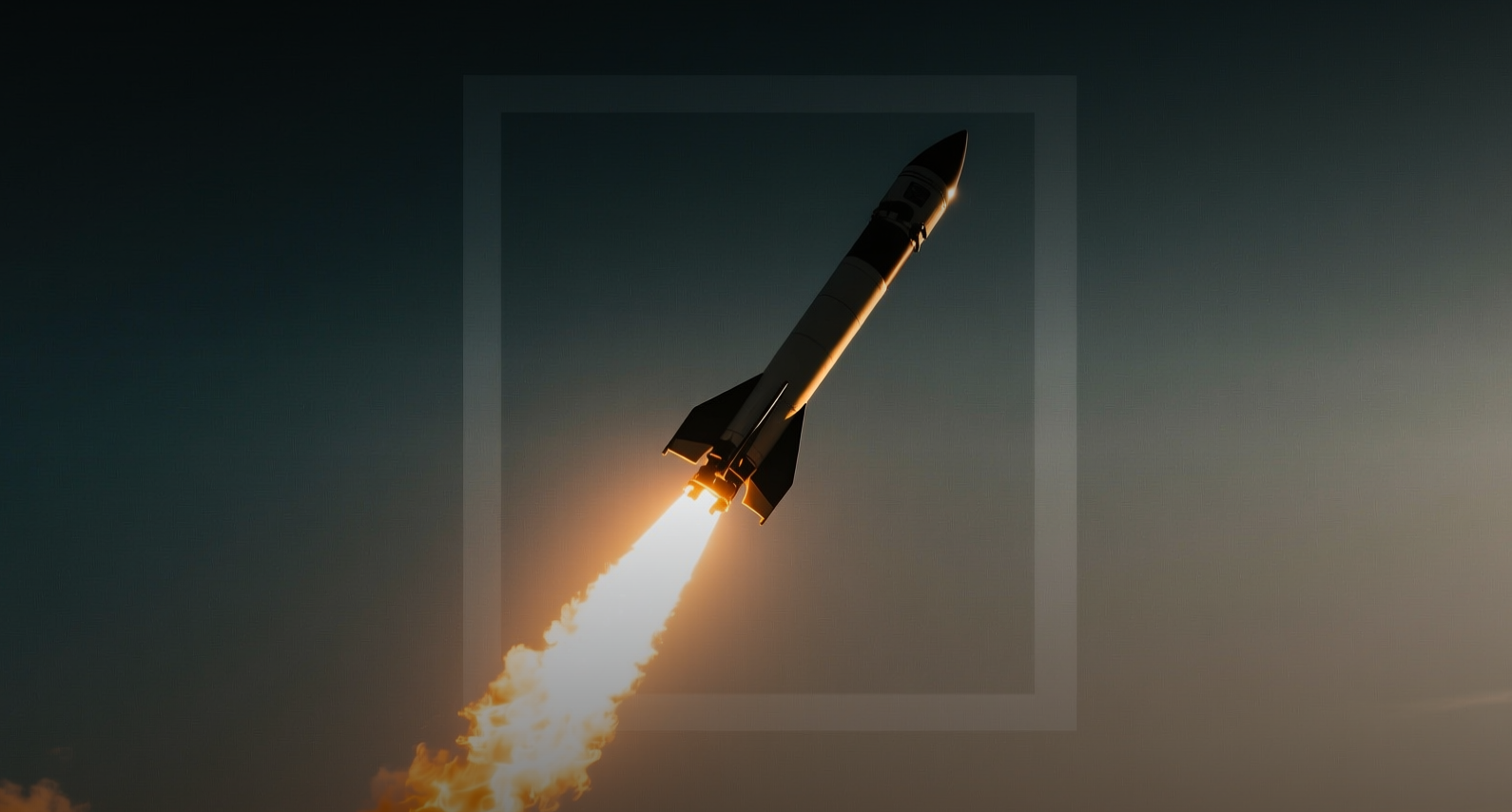
SpaceX and Tesla shares have traded in the same direction for five consecutive sessions, defying expectations that investors would rotate out of one Musk stock into the other.
SpaceX stock rose 4.1 percent to $170.86 on Tuesday, extending a five-day trading pattern where it and Tesla shares have moved in lockstep since the rocket company's public listing.
"We view SpaceX as one of the most differentiated assets within the tech market with a strong footprint across its three core markets," said Dan Ives, an analyst at Wedbush, who initiated coverage with a Buy rating and $190 price target.
Tesla shares gained 2.1 percent to close at $420.60 on Tuesday, bringing their five-day advance to 7.9 percent. SpaceX rose 5.2 percent over the same span, including a 7.2 percent surge on Monday — its best session since June 15, the second day of trading after its initial public offering. The S&P 500 added 0.8 percent, while the Dow Jones Industrial Average gained 0.3 percent.
The correlation reflects a combined Musk and artificial intelligence premium being priced into both stocks. SpaceX is developing AI data centers in orbit through its Colossus program, while Tesla is deploying AI for autonomous driving and humanoid robots. The pattern could diverge as soon as Thursday, when Tesla reports quarterly vehicle deliveries, and as SpaceX shares come off lockup.
Before the IPO, some investors had speculated that Tesla shareholders would sell their positions to buy into SpaceX, creating a negative correlation between the two stocks. That scenario has not materialized. Instead, both stocks have risen together, suggesting that investors view them as complementary AI plays under Musk's leadership.
Of the 12 analysts covering SpaceX, seven rate the shares Buy. The average price target stands at about $240, implying roughly 40 percent upside from Tuesday's close. Ives' $190 target is the lowest among the group, though he cited Starlink's connectivity business, Starship's launch demand, and the Colossus AI data center program as growth drivers. None of the major banks that underwrote the IPO have initiated coverage yet — a step that typically comes a few weeks after listing, meaning the analyst base could expand to 40 or 50 names over time.
Starship is central to SpaceX's long-term strategy. The rocket is expected to reduce the cost of reaching space by 90 percent relative to the Falcon 9, enabling new applications such as orbital AI data centers. The company is scheduled to test the Starship for the 13th time in late July. Each successful test brings the program closer to operational status, which would dramatically lower the barrier to space-based commercial activity. The orbital data center concept positions SpaceX against cloud providers such as Amazon's AWS and Microsoft Azure, which are investing heavily in terrestrial AI infrastructure.
Tesla's vehicle deliveries report on Thursday will provide the next major catalyst for the EV maker's stock. For SpaceX, the upcoming lockup expiration could unlock additional trading volume as early investors and employees gain the ability to sell shares. The divergence in these two events — a fundamental business update for Tesla versus a technical supply event for SpaceX — could break the correlation, at least temporarily.
This article is for informational purposes only and does not constitute investment advice.
