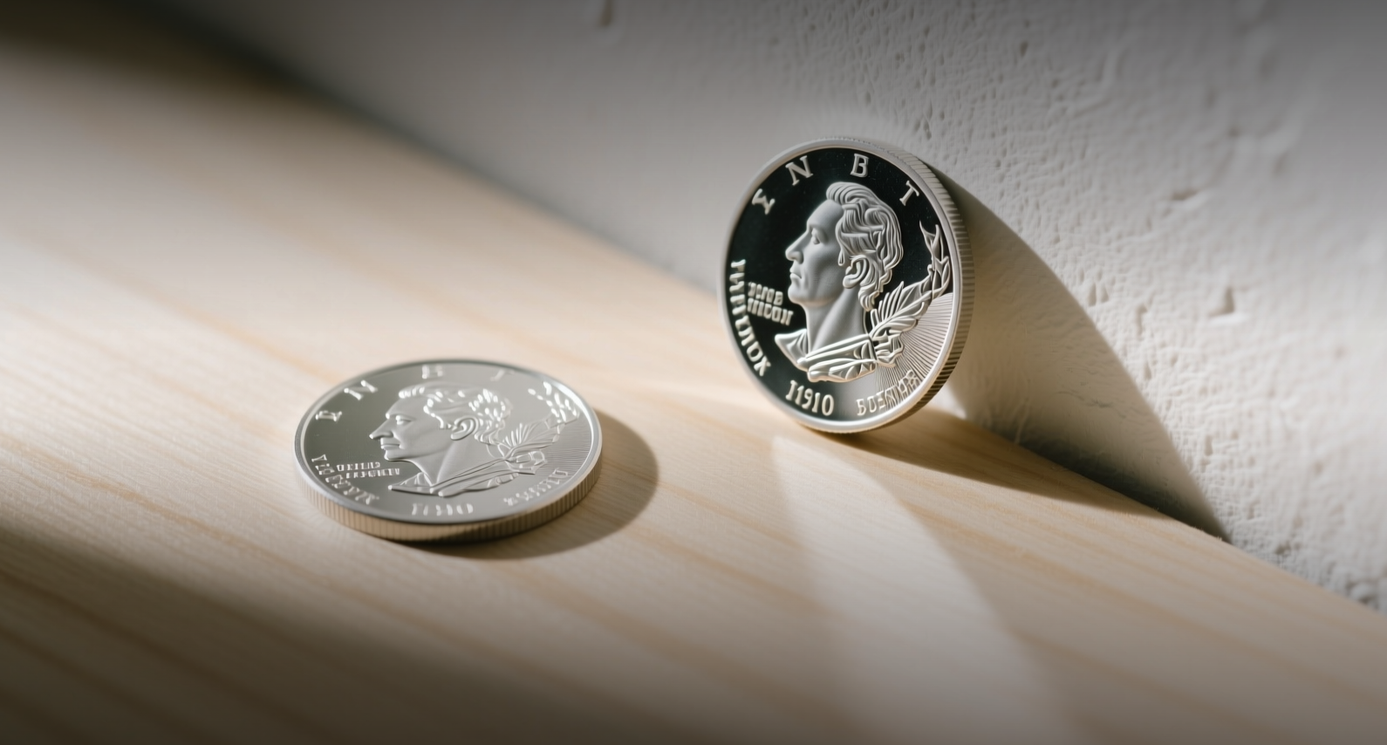
Silver traded at $59.49 per troy ounce on the COMEX on July 9, up 2.05% from the prior session, as a widening divergence between Western paper markets and Eastern physical demand deepened the metal's structural narrative.
"The shortage did not go away — it changed address," the Silver Engineer, author of the Silver Catalyst newsletter, said. "A rebuilding vault in New York and an 11% premium in Shanghai are the same story told from two sides."
COMEX registered silver stocks — metal pledged to settle futures contracts — climbed to about 93 million oz on the July 6 exchange report, up from roughly 82 million oz in mid-June. Eligible metal stored in the same vaults but not offered for delivery stood at 233 million oz, bringing total COMEX inventory to 326 million oz. The rise in deliverable inventory reflects metal being reclassified from eligible to registered ahead of the active July delivery month, not fresh supply arriving from mines, according to exchange data.
On the Shanghai Gold Exchange, silver traded at a premium of roughly 11% over the international price by early July, widening from high single digits at the June 30 benchmark fixes. A premium of that magnitude, even discounted for local taxes, currency and import costs, represents the market's clearest live signal of where physical silver is genuinely tight, traders said.
The East-West Inventory Split
The two pictures describe one market with two speeds. Western holders are comfortable letting metal move into deliverable inventory because their own demand is soft: the largest silver ETF, the iShares Silver Trust (SLV), saw net outflows of about $606 million over the past month, equivalent to roughly 10 million oz at current prices. US retail demand also stayed quiet, with 2026 American Silver Eagle premiums down around $5 to $8 a coin, according to dealer data.
Chinese buyers, meanwhile, are paying up to secure physical metal. Beijing's July 1 enforcement of strategic-mineral export controls, under which silver is reportedly licensed, reinforces the direction of travel: metal is being kept inside China while the West treats it as ample, analysts said.
Silver is down about 13% from its end-2025 close near $71 and roughly 49% below the Jan. 29 all-time high of $121.62, though still up close to two-thirds from a year ago. The gold-silver ratio has settled near 67, with gold trading around $4,150.
Sixth Year of Structural Deficit
The market is in its sixth consecutive annual deficit — a shortfall of 46.3 million oz, according to Metals Focus and the Silver Institute. A structural deficit does not require every vault to drain every month; it requires demand to exceed supply over the year. In the meantime, metal sloshes between regions, and a market can look loose in one place while tight in another.
The longer-term case for silver rests on a supply-demand balance that has run short for six years and on the fact that the marginal buyer of physical metal increasingly sits in the East. The divergence between paper and physical remains the throughline for how silver has traded in 2026.
This article is for informational purposes only and does not constitute investment advice.