Samsung Electro-Mechanics secured a 450 billion won ($294 million) contract to supply AI server MLCCs to a US tech giant, locking in revenue through 2027 as AI infrastructure demand surges.
Samsung Electro-Mechanics secured a 450 billion won ($294 million) contract to supply AI server MLCCs to a US tech giant, locking in revenue through 2027 as AI infrastructure demand surges.
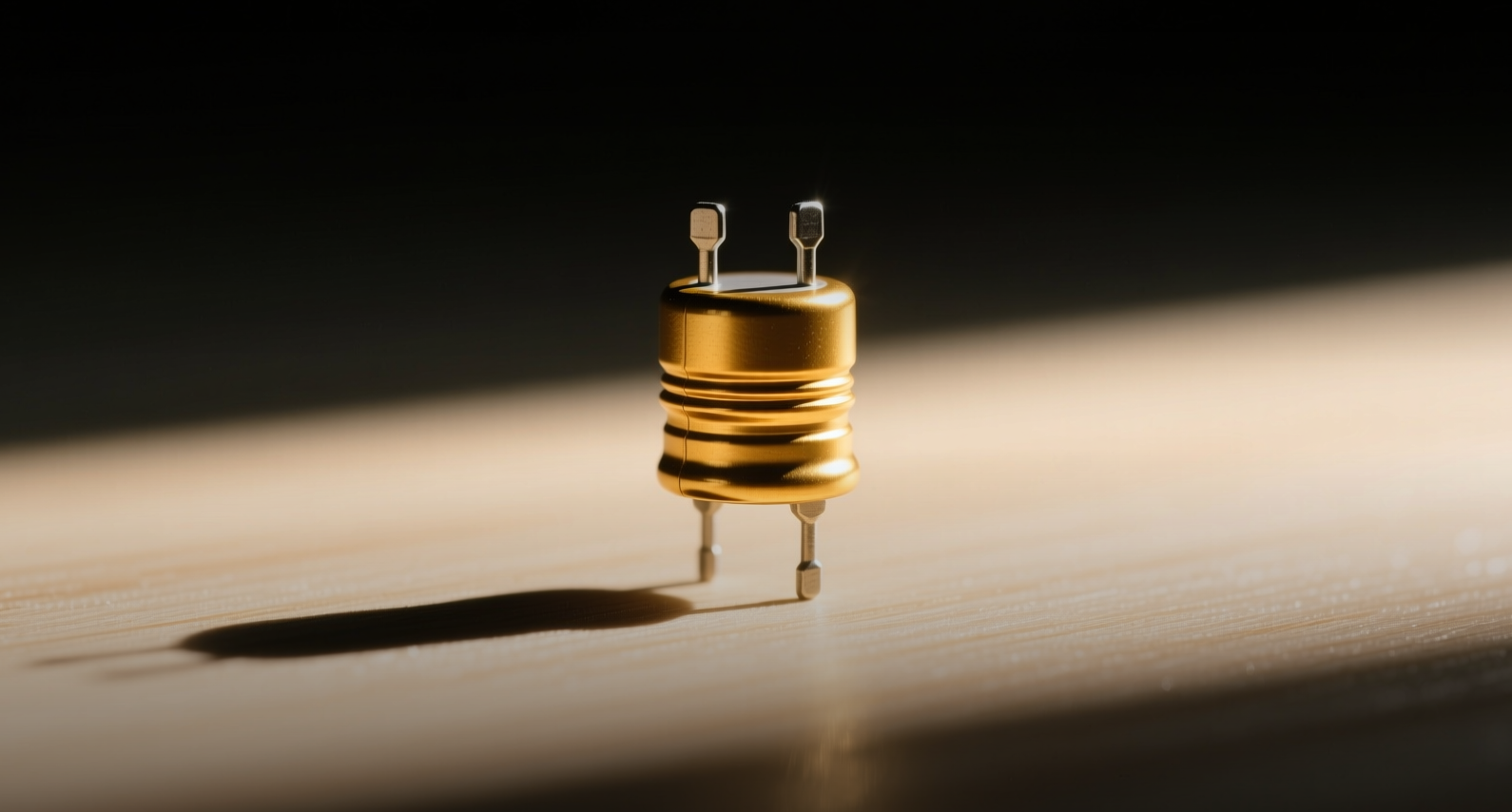
Samsung Electro-Mechanics Co. secured a 450 billion won ($294 million) contract to supply multilayer ceramic capacitors for AI servers to an unnamed US tech giant, the company said Tuesday, as the infrastructure buildout drives demand for components that manage power stability in high-performance computing.
"This contract proves that Samsung Electro-Mechanics' MLCCs are recognized as core components in the AI era," Chief Executive Chang Duck-hyun said in a statement.
The one-year agreement runs from January to December 2027 and represents roughly 9% of the component division's 2025 revenue of 5.2 trillion won, according to a regulatory filing. AI servers require more than 10 times the number of MLCCs used in conventional servers, with a single graphics processing unit carrying over 20,000 units and a full server rack housing as many as 600,000. The components must withstand temperatures above 105 degrees Celsius and voltages of 100V — specifications that create high entry barriers and concentrate supply among a handful of manufacturers.
Samsung Electro-Mechanics holds more than 40% of the AI server MLCC market, compared with about 25% of the overall MLCC market where it trails Japan's Murata Manufacturing. The contract signals a shift toward long-term supply agreements in an industry that traditionally relies on quarterly or spot transactions, as rising AI demand and constrained manufacturing capacity push cloud providers to lock in supply. Shares rose 8% on the news, extending a rally that has pushed the company's market value past Hyundai Motor Co.'s this year.
Why MLCCs Matter for AI Infrastructure
Multilayer ceramic capacitors store electricity and supply it stably to semiconductors while removing signal interference — a function that becomes critical when AI servers draw sudden bursts of power during computation. Power fluctuations inside a server rack can directly degrade GPU performance, making the reliability of these passive components as important as the active chips they support. The technical demands of AI workloads — high heat generation, voltage spikes, and physical stress from dense packing — mean that standard consumer-grade MLCCs cannot substitute for the specialized versions required in data centers.
The mounting area inside a server rack is fixed, yet the number of MLCCs has multiplied as AI accelerators pack more transistors. This has pushed manufacturers toward ultra-compact designs that maintain capacitance in smaller footprints, a challenge that has taken years of materials science refinement. Samsung Electro-Mechanics' ability to produce these high-density, high-reliability components at scale is the primary reason it commands a 40% share of the AI server segment, according to industry estimates.
Competitive Landscape and Supply Chain Dynamics
The deal is unusual in scale for the MLCC industry, where large purchase orders are rare and most supply moves through quarterly negotiations. Industry sources identified the buyer as a major US cloud service provider, though Samsung Electro-Mechanics did not disclose the customer's name. The contract's size and duration suggest the buyer is securing capacity well in advance, a pattern that mirrors how cloud providers have locked in multiyear commitments for Nvidia's GPUs and HBM memory from SK Hynix.
Murata Manufacturing, the global MLCC leader with roughly 40% of the total market, remains the primary competitor. But Samsung Electro-Mechanics has carved out a lead in the AI-specific segment by focusing on the high-temperature, high-voltage variants that general-purpose suppliers cannot easily produce. TDK Corp. and Taiyo Yuden Co. also compete in the broader MLCC market but have smaller positions in the AI server niche.
The company is in active discussions with global customers to expand supply beyond 2027, Chang said, as it prioritizes high-value products for AI and automotive electronics. Nomura recently raised its price target on Samsung Electro-Mechanics to 2.5 million won from 1.3 million won, maintaining a buy rating, according to a June 26 note. The stock closed at 2,038,000 won on Monday, implying about 23% upside to the new target.
For investors, the contract reinforces a broader theme: the AI infrastructure buildout is creating demand not just for GPUs and memory but for the entire ecosystem of components that make them function. Samsung Electro-Mechanics trades at roughly 15 times forward earnings, a discount to Murata's 22 times, reflecting its smaller size and greater exposure to consumer electronics. As the AI server share of its revenue grows, that valuation gap may narrow.
This article is for informational purposes only and does not constitute investment advice.
