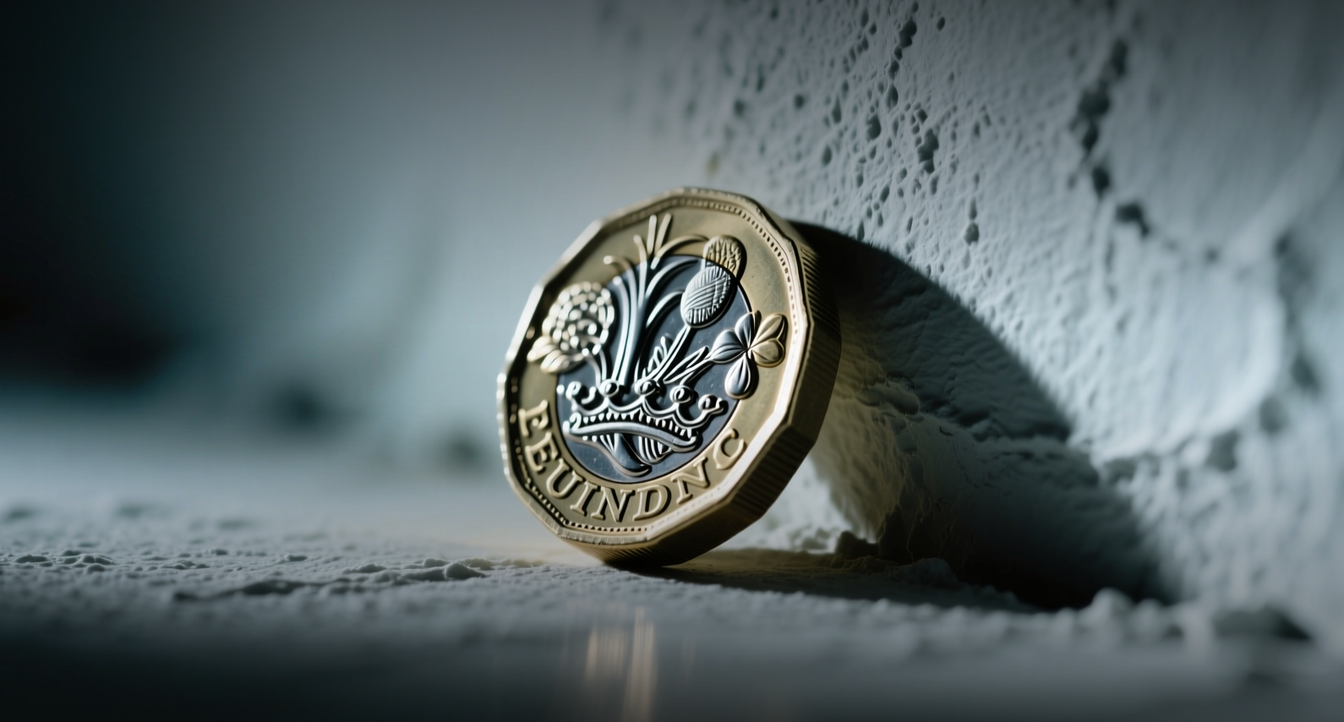
The pound slipped to $1.3187 on Wednesday, within striking distance of its year-to-date low, as the dollar extended its rally to a 13-month high on growing expectations that the Federal Reserve will raise interest rates as soon as July.
"The market is finally pricing in what Fed officials have been telegraphing for weeks — that the economy is too strong to cut, and inflation is too sticky to ignore," said Sarah Lin, markets reporter at Edgen. "The dollar's momentum is sweeping across every major currency pair."
Markets now see a 36% probability of a rate hike at the Fed's July meeting, up from 8.5% a week ago, according to CME FedWatch data. For September, the odds of a move have surged above 70%, compared with 29.1% seven days earlier. The shift followed a string of stronger-than-expected U.S. economic data and hawkish comments from Fed officials, including Governor Christopher Waller, who said last week that "further tightening may be appropriate" if inflation does not moderate.
The dollar index climbed to 101.40, its highest since May 2025, as the greenback strengthened against all 10 major developed-market currencies. The euro fell below $1.14 to $1.1351, its weakest level in more than a month, while the Canadian dollar hit a 14-month low at C$1.4265 per greenback. The New Zealand dollar dropped 0.25% to $0.5637, and the Australian dollar remained under pressure after mixed jobs data showed the unemployment rate ticking up to 4.4%.
The dollar rally has been reinforced by a selloff in U.S. Treasuries, with the 10-year yield rising to 4.412%, up 12 basis points this week. Higher yields increase the carry advantage of dollar-denominated assets, drawing capital away from lower-yielding currencies. The pound has been particularly vulnerable given the Bank of England's more cautious stance — the BOE held rates steady at 4.25% earlier this month, and markets see no rate hike priced until early 2027.
The cross-asset spillover extended to commodities. Gold slipped below $4,000 an ounce for the first time since November 2025, pressured by the stronger dollar and rising real yields. Brent crude fell 4.3% to $73.74 a barrel, its lowest since before the Iran conflict began, as easing supply concerns added to the dollar-driven headwind. In equities, the S&P 500 edged down 0.09% and the Nasdaq lost 0.43%, with technology stocks bearing the brunt of the selling as higher rates compress valuations on long-duration assets.
Traders are now focused on Friday's U.S. Personal Consumption Expenditures price index for May, the Fed's preferred inflation gauge. Core PCE is expected to accelerate to 3.4% year-over-year, up from 3.3% in April, which would mark the highest reading in three years. A print at or above that level would likely cement expectations for a July rate hike and push the dollar even higher, putting further pressure on the pound and other major currencies.
This article is for informational purposes only and does not constitute investment advice.