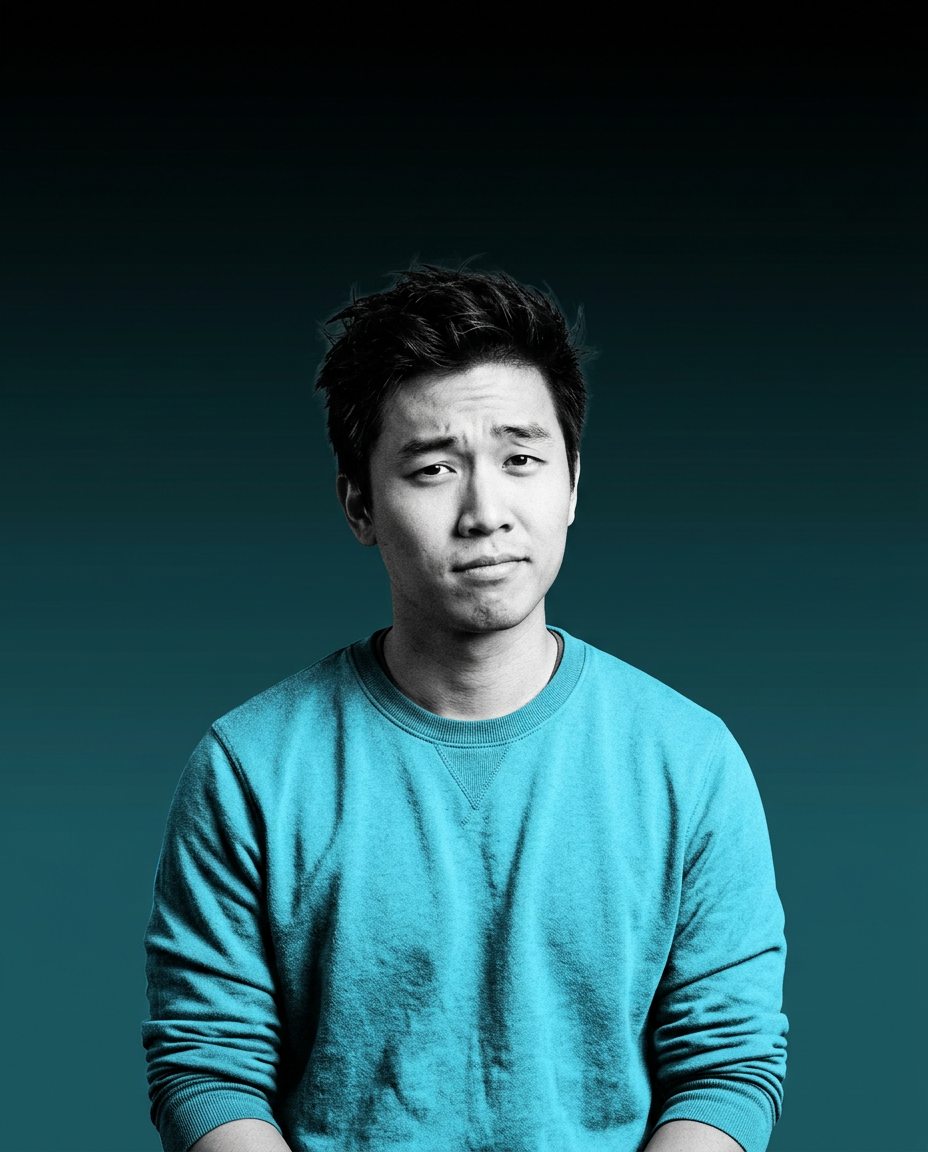
Greg Brockman, OpenAI's chairman and former CTO, is stepping into a more public role as a philanthropist alongside his wife Anna, marking a shift in the company's leadership dynamics.
Greg Brockman, OpenAI's chairman and former CTO, is stepping into a more public role as a philanthropist alongside his wife Anna, marking a shift in the company's leadership dynamics.
Greg Brockman, the billionaire chairman and former chief technology officer of OpenAI, is emerging from the shadow of better-known co-founders Sam Altman and Ilya Sutskever to take on a more public role as a philanthropist alongside his wife Anna, according to people familiar with the matter.
"OpenAI's technology is powerful enough that its leadership carries responsibilities beyond the company," Brockman said in a statement. "Anna and I are committed to ensuring that the benefits of AI are distributed broadly, not concentrated narrowly."
Brockman, who co-founded OpenAI in 2015 alongside Altman and Elon Musk, has long been described by colleagues as the engineering backbone of the organization — the person who translated ambitious research goals into working systems. He served as CTO until early 2025, when he transitioned to chairman after the company restructured its leadership following a period of internal turmoil. His net worth, tied largely to his OpenAI equity stake, is estimated at more than $3 billion, according to Forbes.
The Brockmans have emerged as significant donors in Silicon Valley, focusing on AI safety research, education reform and public-interest technology. Their giving comes as OpenAI faces intensifying scrutiny over the societal impact of its models, including the recent release of GPT-6, which scored 94.3% on the MMLU benchmark — a 2.1-point improvement over GPT-5 — and the deployment of AI agents capable of autonomously executing complex workflows.
A New Public Role
Brockman's shift from behind-the-scenes engineer to public-facing philanthropist mirrors a broader trend among AI executives who are grappling with the societal consequences of their creations. Anthropic's Dario Amodei and Google DeepMind's Demis Hassabis have also increased their public engagement on AI safety and governance.
The move also comes as OpenAI accelerates its enterprise push. The company recently hired Colin Fleming, former chief marketing officer at ServiceNow, as its first CMO for business, signaling a strategy to compete for corporate budgets against Microsoft, Google and Anthropic. OpenAI has made 2026 a pivotal year for enterprise adoption, with Altman telling investors the company's core challenge is solving for application and product use rather than continued model training.
Philanthropy Meets Governance
The Brockmans' philanthropic strategy is expected to prioritize grants to organizations researching AI alignment — ensuring that AI systems act in accordance with human intent — as well as funding for educational programs that prepare workers for an AI-disrupted labor market. The couple has already made multimillion-dollar contributions to the Center for AI Safety and the Alignment Research Center, according to tax filings.
The timing is notable. OpenAI is navigating a complex regulatory environment: President Donald Trump scrapped an AI executive order on May 21 after a last-minute intervention from former AI czar David Sacks, exposing internal White House divisions between deregulation advocates, security hawks and proponents of voluntary oversight. The Brockmans' philanthropic work could position them as credible voices in the policy debate, though critics may question whether OpenAI insiders should shape the rules governing their own industry.
For investors, Brockman's public emergence adds a new dimension to OpenAI's leadership narrative. The company, valued at $340 billion in its most recent funding round, faces competition from Anthropic — now valued at $965 billion after a recent funding round — and Google, which has integrated its Gemini models across its cloud and consumer products. Brockman's focus on safety and governance could help differentiate OpenAI's brand as enterprises weigh which AI platform to trust with their most sensitive data.
This article is for informational purposes only and does not constitute investment advice.
