

Key Takeaways: Nvidia cut authorized Asian AI chip buyers by more than half after introducing stricter compliance checks to prevent products from reaching China.
Key Takeaways: Nvidia cut authorized Asian AI chip buyers by more than half after introducing stricter compliance checks to prevent products from reaching China.
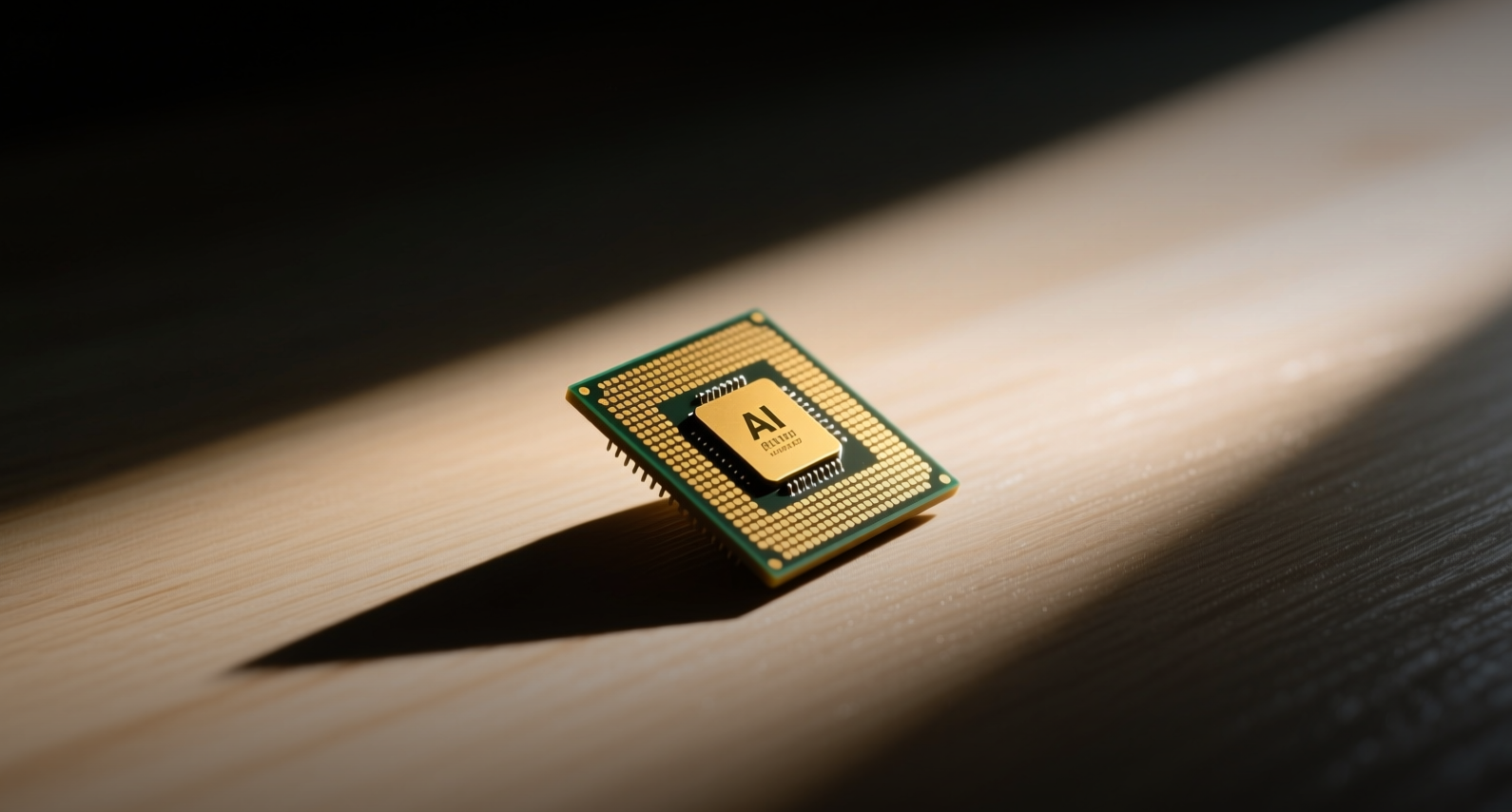
Nvidia cut authorized Asian AI chip buyers by more than half after introducing a "white list" of companies that passed stricter compliance checks, the Financial Times reported.
"The enhanced vetting is designed to ensure advanced AI chips are sold only to approved buyers and remain compliant with export control regulations," the FT report said, citing three people familiar with the matter.
The crackdown comes as Nvidia's AI GPU market share in China is projected to collapse from 66 percent in 2024 to roughly 8 percent by 2026, as US export controls and Beijing's push for domestic alternatives reshape the world's largest semiconductor market.
The tighter controls threaten to accelerate the decoupling of US and Chinese semiconductor supply chains, with Chinese rivals like Huawei capturing an estimated 80 percent of the domestic AI chip market. Nvidia faces losing access to a market that once accounted for a significant portion of its data center revenue.
The Smuggling Problem Nvidia Can't Ignore
Nvidia has launched investigations into several Southeast Asian distributors suspected of funneling restricted hardware into China. The most notable case involves Singapore-based Megaspeed, which is accused of facilitating the transfer of banned Nvidia equipment between June 2024 and June 2025. The company is linked to over $2 billion in potential orders, according to the FT report. Nvidia has spent the past several months expanding its customer screening process in key regional markets, including Singapore, Malaysia, and Japan.
China's Self-Reliance Push Gains Momentum
Beijing has mandated that state-funded data centers exclusively use domestic chips, effectively locking Nvidia out of a massive segment of demand. Chinese firms like Huawei have ramped up production of homegrown alternatives, and local producers are projected to capture an estimated 80 percent of China's AI chip market. In May 2026, the US approved roughly 10 Chinese companies for purchases of the more advanced H200 chip, but zero shipments have been made, with regulatory hurdles on the Chinese side blocking delivery.
Nvidia had been developing compliant chip variants, like the H20, specifically designed to meet export control thresholds while still offering something to Chinese buyers. China's antitrust actions against Nvidia add another layer of pressure on the company's operations in the region.
For investors, the H200 shipment situation bears close watching. If approved sales to companies like Alibaba and Tencent remain at zero deliveries, it would confirm that the regulatory barriers between US chipmakers and Chinese buyers are becoming structural rather than temporary. Nvidia shares, which have been a bellwether for AI demand, face an increasingly bifurcated market where the company dominates everywhere except China — the world's second-largest economy.
This article is for informational purposes only and does not constitute investment advice.