

Key Takeaways:
- Nippon Paint bid €7.5 billion for Akzo Nobel's decorative paints unit
- Akzo Nobel management did not engage with the Japanese suitor
- The offer follows a failed joint bid with Sherwin-Williams last month
Key Takeaways:
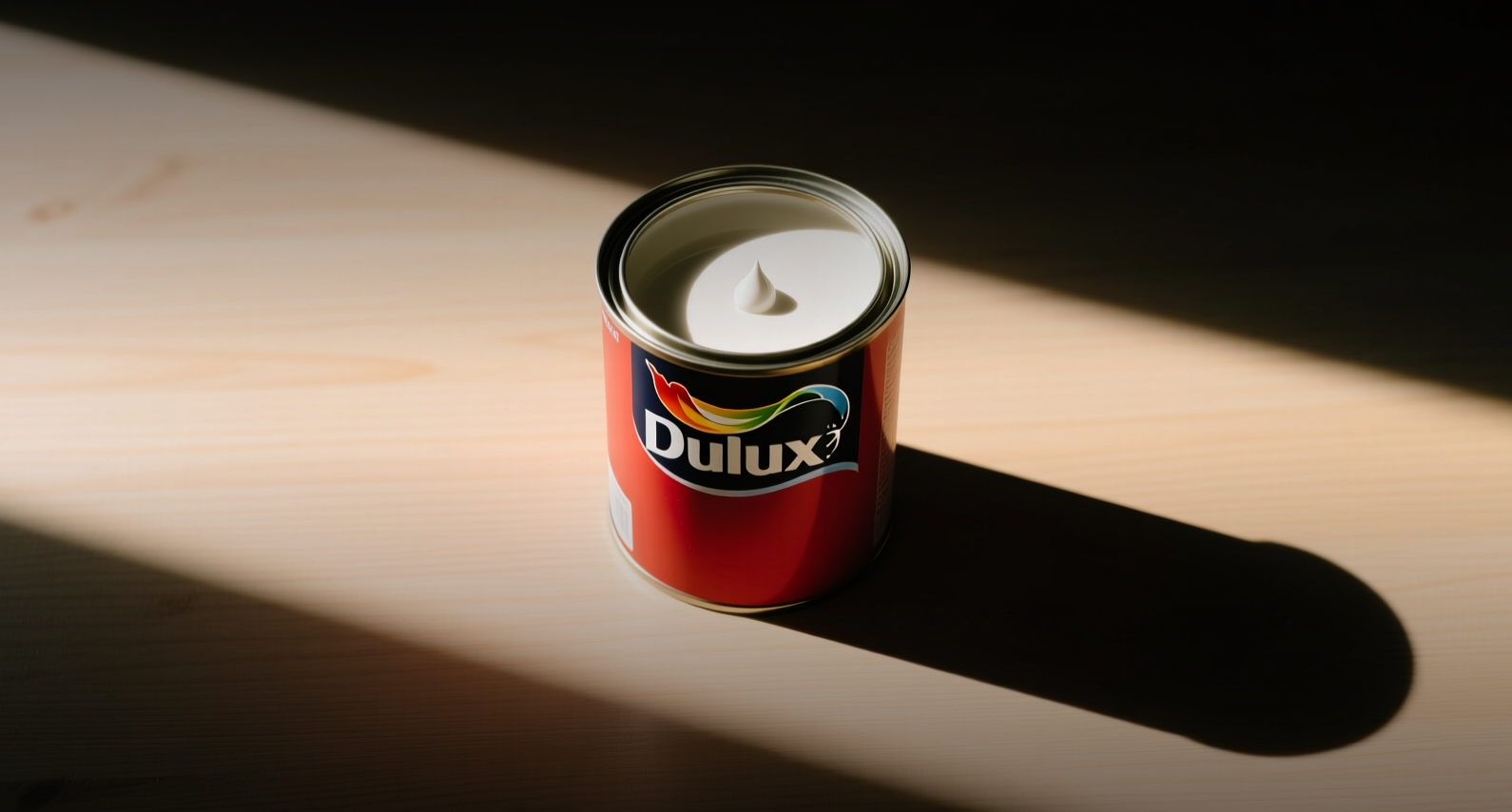
Nippon Paint Holdings Co. has made multiple offers in the past month for Akzo Nobel NV's decorative paints business, including a proposal valuing the unit at 7.5 billion euros ($8.55 billion) last week, according to people familiar with the matter.
The Tokyo-listed paint maker submitted its first approach three weeks ago and followed up with an improved offer last week that values the business at about 12 times its 2026 earnings before interest, taxes, depreciation and amortization, the people said, asking not to be identified because the discussions are private.
Akzo Nobel's management did not engage with Nippon Paint regarding the offer nor did it inform shareholders of the approach, the people said. No final decision has been made, and Nippon Paint could still abandon its pursuit of the business.
The approach comes after Nippon Paint and U.S.-based Sherwin-Williams Co. ended efforts to jointly acquire the Dutch paint maker last month. Paint makers globally are pursuing consolidation to reduce costs as they face rising raw material prices, intense competition and uncertainty created by U.S. President Donald Trump's tariffs on imported goods.
Why the deal matters
A successful acquisition would transform Nippon Paint from an Asia-focused player into a global decorative paints powerhouse. The company, which had revenue of about 1.3 trillion yen ($8.6 billion) in its most recent fiscal year, would gain access to Akzo Nobel's extensive distribution network across Europe, the Middle East and Africa, where the Dulux brand holds leading market positions in countries including the United Kingdom, the Netherlands and Indonesia.
For Akzo Nobel, a divestiture of the decorative paints unit would allow the Amsterdam-based company to focus on higher-margin industrial coatings, including marine, protective and automotive refinishes. The decorative paints business generated about 4.5 billion euros in annual revenue, representing roughly one-third of Akzo Nobel's total sales, according to company filings. Proceeds from a sale could be used for debt reduction or investment in the performance coatings segment, where margins typically exceed those of the consumer-facing decorative business.
Industry consolidation pressures
The attempted acquisition reflects broader consolidation pressures across the global paints and coatings industry. Sherwin-Williams, the world's largest paint maker by revenue, completed its $11.3 billion acquisition of Valspar Corp. in 2017 and has continued to pursue bolt-on acquisitions. PPG Industries has also been active, acquiring Tikkurila Oyj for 1.1 billion euros in 2021 to strengthen its position in the Nordic region.
Rising raw material costs have accelerated the push for scale. Titanium dioxide, a key pigment used in paint production, has seen prices increase by more than 20 percent over the past two years, according to industry data. Tariffs imposed by the Trump administration on imported chemicals and raw materials have added further cost pressure, making larger companies with diversified supply chains better positioned to absorb the impact.
Nippon Paint's pursuit of Akzo Nobel's decorative arm also signals the Japanese company's ambition to reduce its dependence on its home market, where population decline and a mature construction sector have limited growth prospects. The company has expanded through acquisitions in recent years, including the purchase of Australia's DuluxGroup Ltd. for about $2.9 billion in 2019 and a majority stake in India's Nippon Paint (India) Pvt.
Regulatory and execution risks
Any deal would face scrutiny from competition authorities across multiple jurisdictions, particularly in Europe where Akzo Nobel's decorative paints business holds significant market share. The European Commission has taken an increasingly strict approach to chemicals and coatings sector mergers, requiring divestitures in several recent cases to address competition concerns.
The lack of engagement from Akzo Nobel's management suggests the company may prefer to retain the decorative paints business or pursue alternative strategic options, including a potential sale of the entire company or a merger with another industry player. Akzo Nobel's shares have gained about 12 percent this year, giving the company a market value of roughly 28 billion euros, as investors have speculated about potential corporate action.
This article is for informational purposes only and does not constitute investment advice.