
The PHLX Semiconductor Index plunged 7.9% in its worst session since March 2020 as investors questioned whether AI spending can justify valuations that have pushed the SOX up 90% this year.
The PHLX Semiconductor Index plunged 7.9% in its worst session since March 2020 as investors questioned whether AI spending can justify valuations that have pushed the SOX up 90% this year.
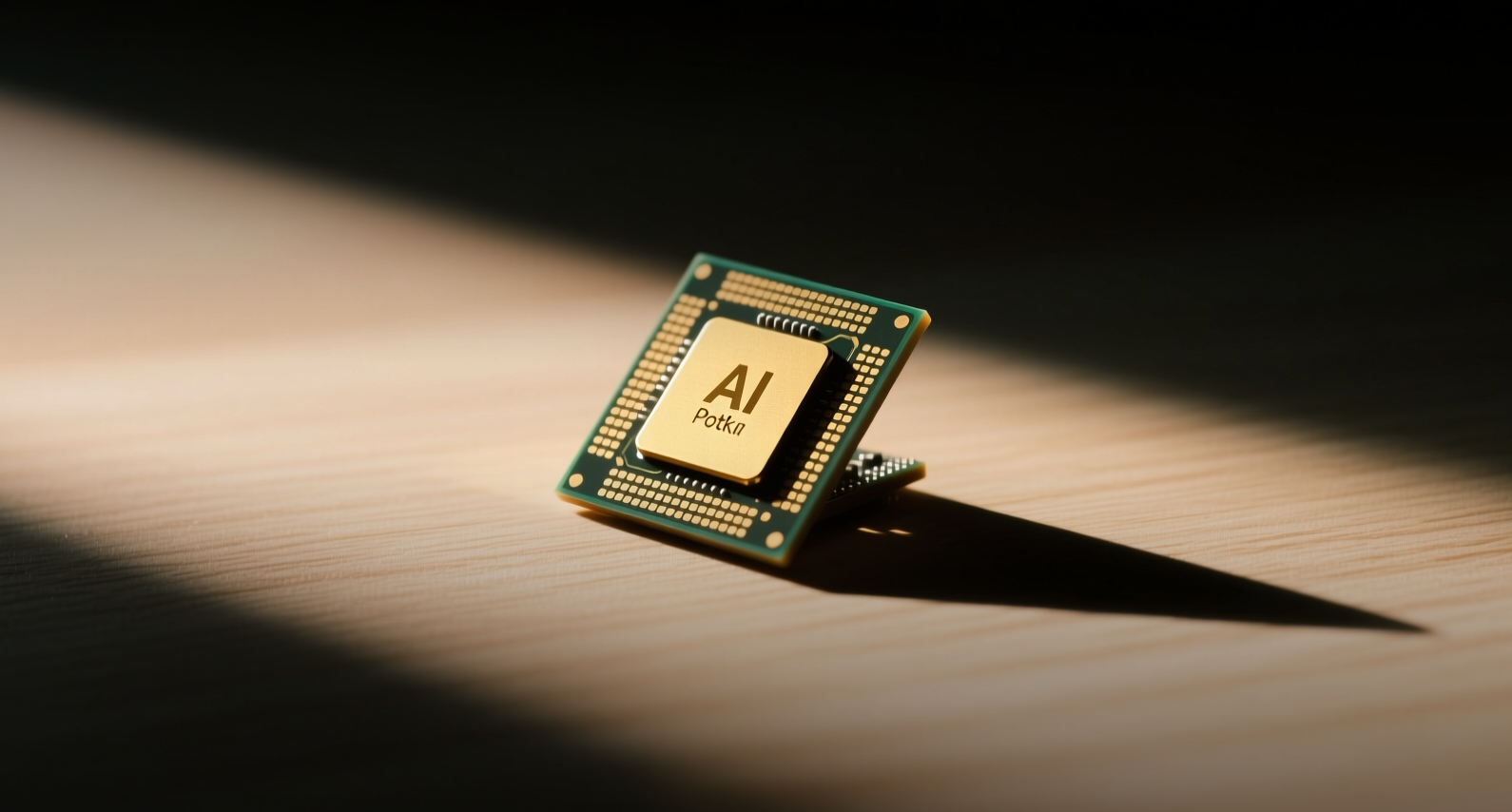
The PHLX Semiconductor Index plunged 7.9% in its worst session since March 2020 as investors questioned whether AI spending can justify valuations that have pushed the SOX up 90% this year.
The Nasdaq Composite fell 2.2% to 25,587 on Tuesday, its sharpest drop in months, as a rout in semiconductor shares deepened fears about the sustainability of the artificial-intelligence boom.
"We're seeing a normal rotation out of areas that may be a little overbought, a little overheated for the time being," said Eric Marshall, president of Hodges Capital, a Dallas-based mutual-fund firm. "Even though you don't at this point see an end in demand for a lot of AI optical switch gear or memory or compute, you know that trees don't grow to the sky."
The S&P 500 lost 1.4% to 7,365, while the Dow Jones Industrial Average slipped less than 0.1% to 51,666. The Philadelphia Stock Exchange Semiconductor Index tumbled 7.9%, marking the eighth time this month the gauge has moved by more than 5% — the most volatile stretch since the pandemic-era rout of March 2020. The VanEck Semiconductor ETF fell 7%. Among individual names, Micron Technology and Sandisk each lost about 13%, while Qualcomm shed about 8%. Intel and Advanced Micro Devices declined nearly 6% each.
The selloff originated in Asia, where South Korea's Kospi Composite Index fell almost 10% as Samsung Electronics, the index's heavyweight, led a broad decline. Goldman Sachs Group strategists warned in a note Monday that "plausible estimates of AI-related market gains now comfortably exceed our baseline estimates of the present discounted value of increased capital revenues from AI for the U.S. economy."
Rotation Into Laggards Gains Steam
Sectors that have trailed for much of the AI-driven rally drew buyers Tuesday. JPMorgan Chase rose 0.8% to $334.14, extending a strong run for Wall Street banks buoyed by a wave of initial public offerings and merger-and-acquisition deals. The iShares Expanded Tech-Software exchange-traded fund edged up 0.01% to $87.32. Such rotations, Marshall said, are "the mother's milk of bull markets."
Oracle shares slid 5.7% to $165.16 after the business software maker's annual report revealed it cut about 21,000 jobs last year as the company continued developing its artificial-intelligence business and made heavy investments in data centers.
Dollar Strength Pressures Commodities
The U.S. Dollar Index hit a 52-week high of 101.43 amid bets on further Federal Reserve rate increases, weighing on commodities. Gold futures fell 1.2% to $4,129.90 a troy ounce, extending a decline that has erased more than 22% from record highs reached earlier this year. Silver futures dropped 5.4% to $62.02 an ounce, the lowest close since December. West Texas Intermediate crude retreated 0.9% to $73.21 a barrel after the U.S. lifted sanctions on Iranian crude, a gesture interpreted as a positive sign for U.S.-Iranian negotiations.
Treasury yields slipped, with the policy-sensitive two-year note falling four basis points to 4.19% and the 10-year yield declining one basis point to 4.49%.
Carnival shares fell 4.9% to $28.72 after the cruise line warned that the Iran conflict had disrupted bookings and that higher fuel costs would weigh on profit. Shares of Elon Musk's SpaceX rose 1% to $156.11, snapping a losing streak.
This article is for informational purposes only and does not constitute investment advice.
