
The S&P 500 has risen on three consecutive Mondays following weekend US-Iran events in Q2, extending a pattern that has boosted equities more on Mondays than any other day.
The S&P 500 has risen on three consecutive Mondays following weekend US-Iran events in Q2, extending a pattern that has boosted equities more on Mondays than any other day.
The S&P 500 climbed 1.8% on the Monday after Trump canceled planned strikes on Iran in mid-June, extending a Q2 pattern where weekend geopolitical events precede equity rallies. The Nasdaq Composite rose about 3% in the same session, while oil prices dropped 4% to 5% as supply disruption fears receded, according to market data.
MarketWatch data showed stocks have averaged larger gains on Q2 Mondays than on any other day of the week, a dynamic some traders have labeled the "Axios put." The pattern suggests weekend strikes are interpreted as reducing long-term geopolitical uncertainty, either by demonstrating US resolve or by clearing a path toward de-escalation.
The pattern held after the June 27-28 weekend, when US forces struck Iranian missile and drone sites along the Strait of Hormuz in response to Iran's attack on a cargo vessel carrying more than 2 million barrels of crude oil. Iran retaliated with missile strikes on US military installations in Bahrain and Kuwait, yet US equity futures opened higher to start the week.
Oil and Bitcoin diverge as cross-asset signals split
Oil markets have moved inversely to equities across the Q2 cycle. Crude prices fell 4% to 5% after the mid-June de-escalation, as the geopolitical risk premium embedded in energy prices was stripped away. Each escalation since has added that premium back, creating a mirror image of the equity pattern. The 10-year US Treasury yield also reacted to the shifting risk calculus, though the direction varied by the nature of each weekend event.
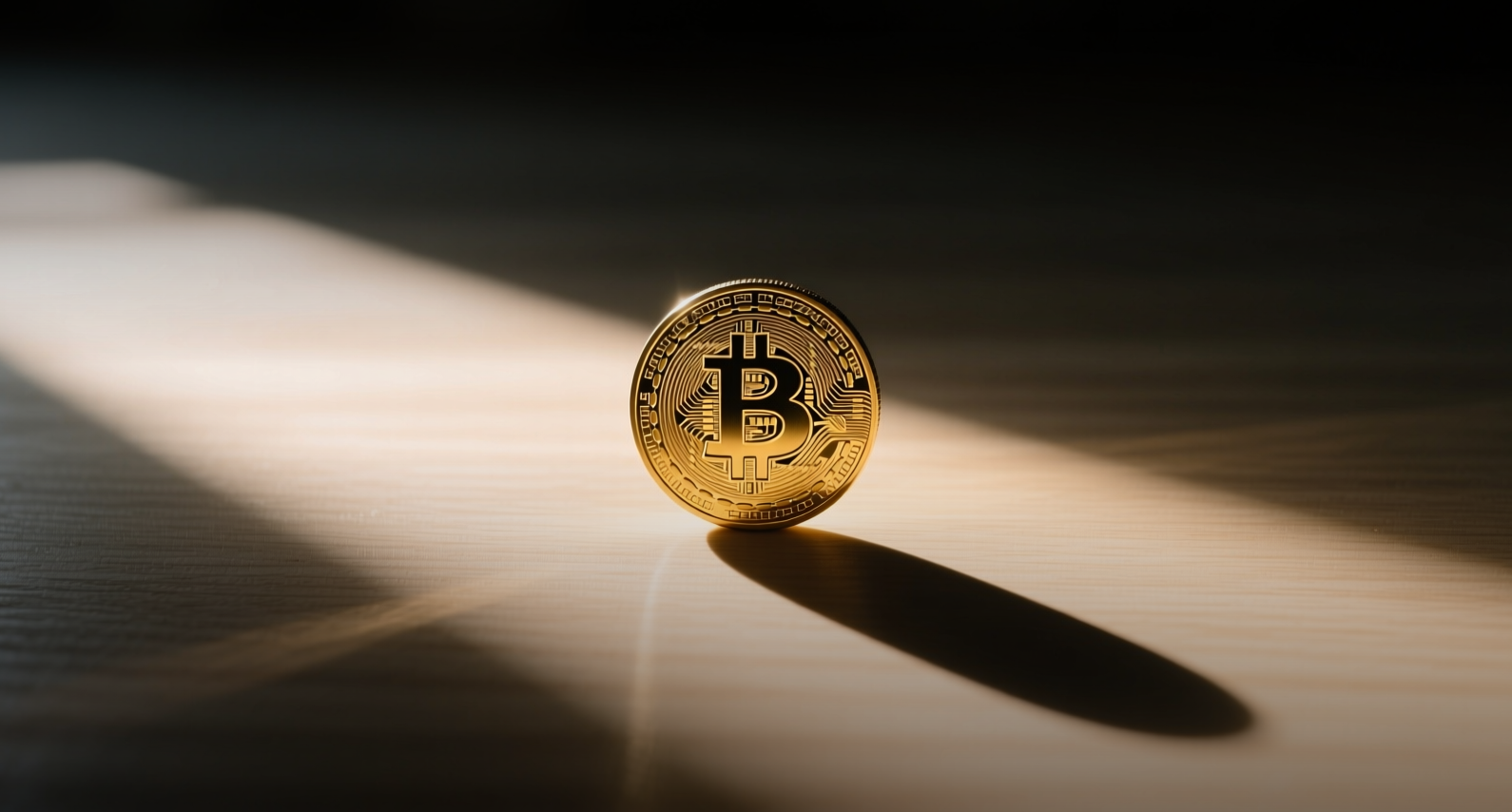
Bitcoin has emerged as a unique geopolitical barometer in this cycle. The largest cryptocurrency surged about 3% past $63,000 on the June de-escalation news, while other tokens showed little reaction. The Trump administration's June 2026 sanctions on Nobitex, Iran's largest crypto exchange, tightened the link between US-Iran policy and digital asset markets, according to the Treasury Department.
Talks resume as ceasefire frays
Despite the weekend attacks, Trump said Monday that talks with Iran would resume Tuesday in Qatar. Iran's deputy foreign minister, Kazem Gharibabadi, said technical talks with the US are not yet planned for this week, though consultations continue with mediator Qatar. A senior White House official said deconfliction channels remain operational after the Lake Lucerne Summit led by Vice President Vance two weeks ago.
The US and Iran have accused each other of violating the ceasefire established by an interim agreement signed earlier in June. That deal, mediated by Qatar and Pakistan, included provisions for reopening the Strait of Hormuz to commercial traffic within 30 days. Iran's Foreign Minister Abbas Araghchi said Sunday that the waterway remains under Iran's sole management, claiming responsibility for removing obstacles in the strait.
The next round of talks in Doha will determine whether the pattern of weekend escalation and Monday rallies continues — or whether the "Axios put" finally gets tested by a sustained breakdown in diplomacy. Iran has said $6 billion of its frozen funds in Qatar will be released as part of the interim deal, in addition to temporarily lifted oil sanctions, giving both sides economic incentive to maintain the negotiating track.
This article is for informational purposes only and does not constitute investment advice.
