


A one-two punch of geopolitical risk and cooling AI enthusiasm erased more than $30 billion in market value from memory chipmakers in a single trading session.
A one-two punch of geopolitical risk and cooling AI enthusiasm erased more than $30 billion in market value from memory chipmakers in a single trading session.
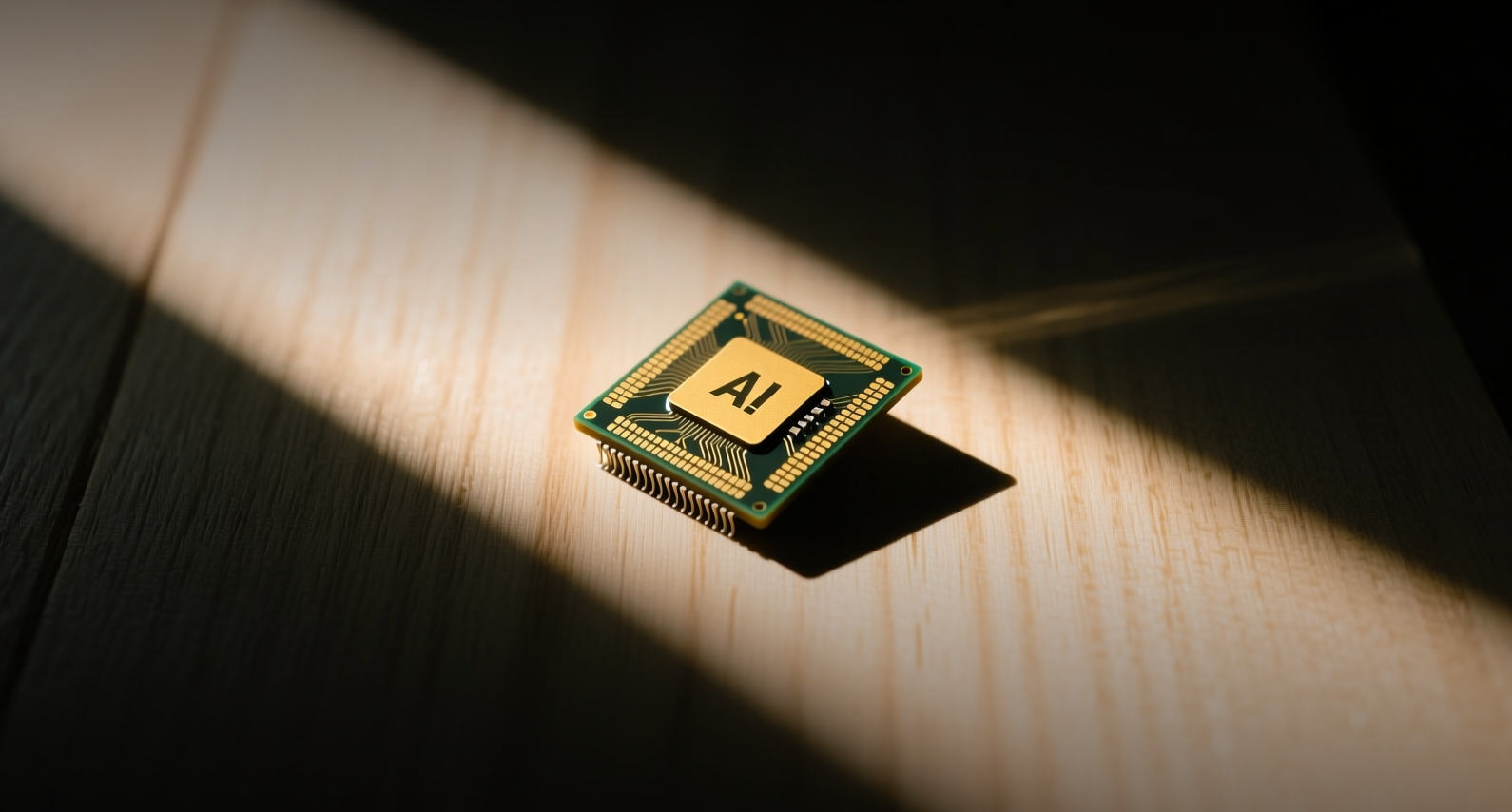
Memory stocks tumbled Tuesday after South Korea's KOSPI index plunged as much as 10%, driven by fears that rising energy costs from the Iran conflict would squeeze fab margins and that AI infrastructure spending may be peaking.
"The market is pricing in a scenario where LNG prices spike and hyperscaler CapEx slows simultaneously — that's the worst possible setup for memory," said Rachel Kim, semiconductor analyst at Edgen.
Micron Technology fell 7% in premarket trading, while SanDisk dropped 6.8% and Lam Research slid 5%. The selloff followed an 11.5% decline in SK Hynix and a 9.9% drop in Samsung Electronics overnight. Samsung had just reported record second-quarter operating profit of 89.4 trillion won ($58.4 billion), roughly 19 times higher than a year earlier, but missed revenue estimates — sending shares down 7% even on the good news.
The selloff reflects two converging threats: South Korea's semiconductor fabs, which produce the majority of the world's DRAM and NAND chips, rely heavily on LNG for power, and US natural gas futures have already risen 7% in the past week. At the same time, SK Hynix is down 25% from its all-time high ahead of its US listing this week, a deal that is drawing investor capital away from existing chip stocks and raising questions about whether the AI infrastructure boom has peaked.
Why Korea's Energy Exposure Matters
South Korean semiconductor fabs operate around the clock, consuming vast amounts of electricity and process gases, with a significant share of that power coming from LNG-fired plants. When natural gas prices spike, fab operating costs follow. A sustained surge driven by Iran-related supply disruptions would directly compress margins at Korean fabs, which supply the bulk of the world's memory chips. Samsung Electronics and SK Hynix together control the majority of global DRAM supply and a massive share of NAND flash.
The AI Trade Shows Cracks
The selloff extends beyond geopolitics. Samsung's record profit failed to lift its stock — a classic sell-the-news signal that the AI trade may be losing momentum. Analysts pointed to growing concerns that hyperscalers could slow AI infrastructure spending after a rapid expansion phase. Meanwhile, China's Zhipu AI is developing a custom chip for its open-source GLM models, highlighting a shift toward lower-cost AI ecosystems that could reduce demand for cutting-edge memory chips.
For US-listed names, the damage was broad. Micron, which posted $13.64 billion in revenue last quarter against estimates of $12.88 billion, fell alongside HDD makers Seagate Technology and Western Digital, suggesting the selloff swept up anything tied to storage. SanDisk had surged more than 40% in the five trading sessions heading into February, making it particularly vulnerable to profit-taking.
What Comes Next
The CBOE Volatility Index has spiked, signaling bond markets were already pricing in economic anxiety before the KOSPI shock — an unfavorable backdrop for capital-intensive sectors like memory. If Iran tensions escalate into a sustained LNG supply shock, memory stocks face a double hit: higher operating costs for Korean fabs and a broader market selloff that punishes the names that have appreciated the most. SK Hynix reports earnings on July 29, followed by Samsung on July 30, which will provide the next test of whether the AI memory boom has further to run.
This article is for informational purposes only and does not constitute investment advice.
