
Memory chip stocks have entered a bear market even as the artificial intelligence boom that was supposed to fuel them continues.
Memory chip stocks have entered a bear market even as the artificial intelligence boom that was supposed to fuel them continues.
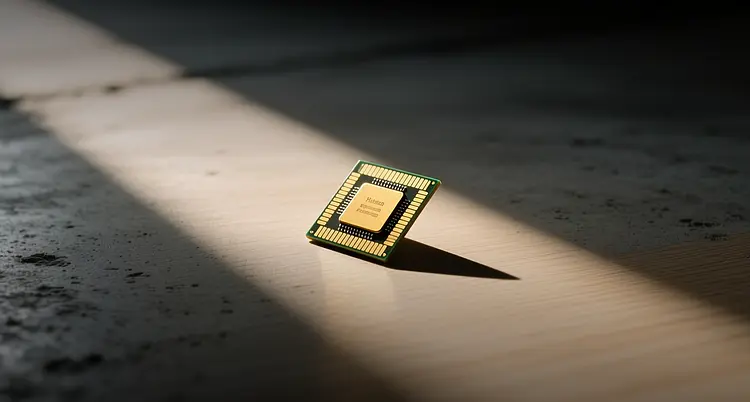
SK Hynix shares cratered 15.4% in Seoul trading Monday, while SanDisk plunged 12.6% and the chipmaker's US-listed ADR fell another 5% Wednesday, deepening a selloff that has erased months of gains from the memory semiconductor sector.
The rout comes as artificial intelligence remains the dominant force driving the stock market in 2026, creating a stark divergence between AI enthusiasm and the performance of the chipmakers that supply the hardware powering the technology. Memory chips — particularly high-bandwidth memory used in Nvidia's AI accelerators — had been viewed as a critical bottleneck in the AI supply chain, with SK Hynix and Samsung Electronics controlling the vast majority of the HBM market.
The selloff raises a central question: if AI demand is as strong as the market narrative suggests, why are the suppliers of essential AI memory components crashing? One explanation is that the market is pricing in an oversupply cycle, as competitors ramp HBM production capacity faster than AI data center demand can absorb it. Another is that the AI trade has simply become too expensive, and the memory segment — which saw parabolic gains earlier this year — is the first to correct.
What the Selloff Signals
The magnitude of the decline is notable even by semiconductor standards. SK Hynix's 15.4% single-day drop in Seoul was its worst in years, and the 12.6% plunge in SanDisk made it the worst performer in the broader market that day. The US-listed SK Hynix ADR followed with a 5% decline Wednesday, indicating the selling pressure has not yet abated.
For context, the Philadelphia Semiconductor Index has historically corrected 10% to 15% during demand scares before recovering. But the memory segment's decline has been steeper and more concentrated than the broader chip sector, suggesting subsector-specific factors at play. The selloff also coincided with a 10.8% jump in Brent crude, as investors rotated out of growth-sensitive tech names into energy and commodities.
The AI Demand Question
The core tension is between near-term supply dynamics and long-term demand expectations. AI data center buildout continues at a rapid pace, with hyperscalers like Microsoft, Amazon, and Google committing tens of billions of dollars in capital expenditure. Nvidia's latest GPU architectures require substantial amounts of HBM, and SK Hynix has been the primary supplier.
However, if memory manufacturers have over-invested in HBM production capacity — or if AI model training efficiency improvements reduce per-model memory requirements — the market could be facing a supply glut. The current selloff suggests investors are beginning to price in that risk.
For investors, the memory stock crash presents both a warning and an opportunity. The warning is that the AI trade is not monolithic — different segments of the AI supply chain face different risk profiles. Memory chips, which are more commoditized than GPU design, are more vulnerable to cyclical downturns. The opportunity is that if AI demand proves resilient, current prices could represent a buying entry point for a structurally growing market.
Nvidia shares have so far been less affected by the memory selloff, but a prolonged downturn in memory could eventually spill over into the broader semiconductor ecosystem. TSMC, which manufactures chips for both Nvidia and memory companies, could face order adjustments if the cycle turns. The Philadelphia Semiconductor Index's next move will be closely watched as a barometer of whether the selloff remains contained to memory or spreads to the broader chip sector.
This article is for informational purposes only and does not constitute investment advice.