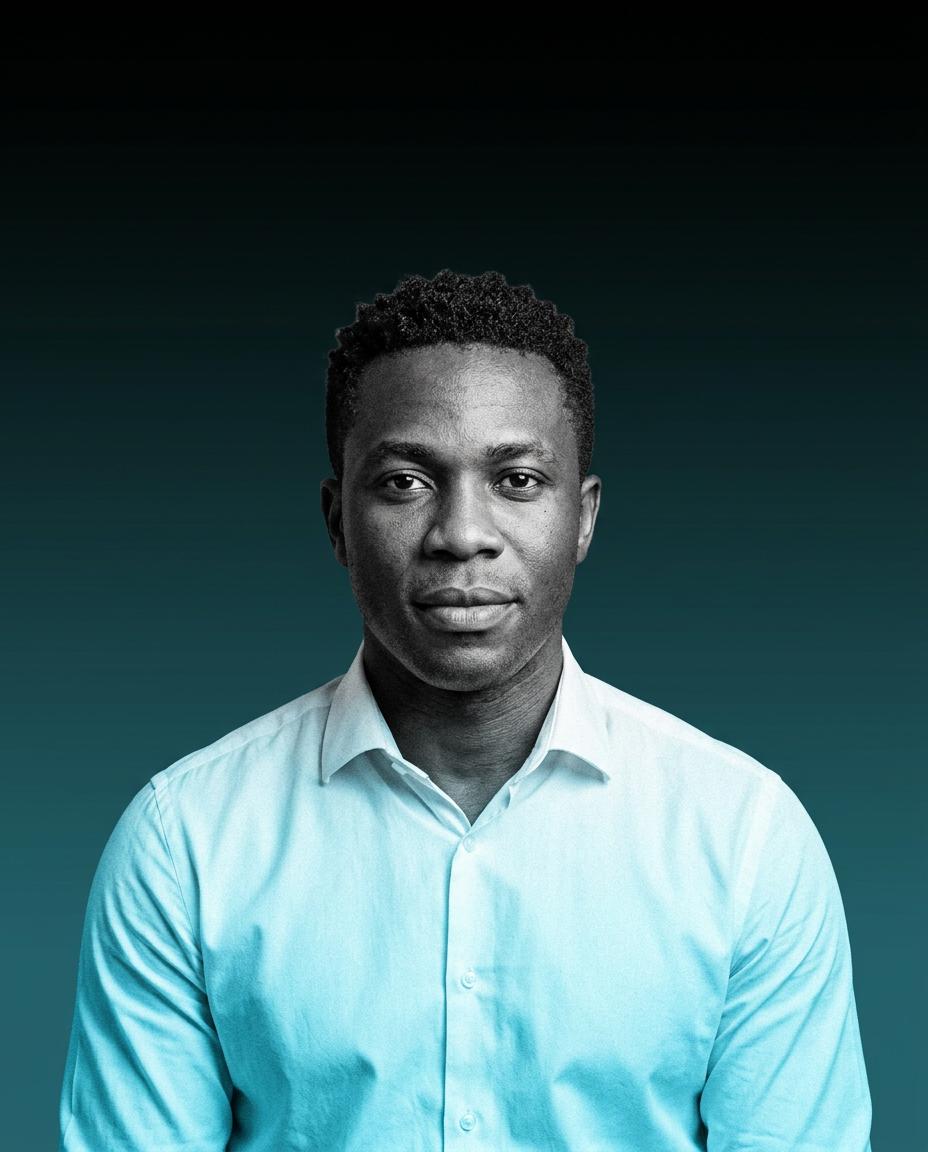
Bank of Canada Governor Tiff Macklem warned that widening global imbalances and a growing shadow banking system risk triggering a financial correction unseen since 2008.
Bank of Canada Governor Tiff Macklem warned that widening global imbalances and a growing shadow banking system risk triggering a financial correction unseen since 2008.
Bank of Canada Governor Tiff Macklem warned that widening global imbalances and a growing shadow banking system risk triggering a financial correction unseen since 2008.
Bank of Canada Governor Tiff Macklem said widening global imbalances and the growing influence of nonbank lenders risk triggering a painful correction or sudden capital flow reversal, echoing patterns before the 2008 financial crisis.
"That leaves us with two clear risks. First, large capital inflows into the U.S. could once again be misallocated — stretching valuations in equities and credit and setting the stage for a painful correction," Macklem said in Paris at an event hosted by the France-Canada chamber of commerce. "Second, those flows could reverse suddenly. Either outcome could send stress far beyond U.S. borders."
This marks the second time this year Macklem has raised red flags about nonbank lenders. In March, he warned that risks in the private-credit world may be growing faster than policymakers' ability to understand and mitigate them. The International Monetary Fund has warned that a recent rise in imbalances carries the risk of negative cross-border spillovers, with the rise of excessive current-account deficits and surpluses reflecting increasingly unbalanced growth dynamics in China, the European Union and the U.S. The U.S. current-account deficit has widened as fiscal spending and strong consumer demand have drawn in capital from abroad, while China's surplus has persisted despite efforts to rebalance its economy toward consumption.
"The problem is not just that imbalances are widening again. It is also that they are widening in a world where the financial system is now faster, more complex and less transparent," Macklem said. He called on global officials to encourage increased savings in the U.S., more consumption in China and a pickup in investment in Europe to create more destinations for global capital.
Macklem said a big share of global savings end up in the U.S., or "pulled disproportionately in one direction. If we want a more balanced and resilient global system, we need to create more places for those savings to go." The last time imbalances widened to dangerous levels was in the lead-up to the 2008-to-2009 financial crisis and global recession, when excessive U.S. household debt and a housing bubble triggered a cascade of defaults that spread through the global banking system. That crisis ultimately required trillions of dollars in central bank intervention and government bailouts to stabilize markets. Macklem said history shows the global economy and financial system eventually adapt, "but too often, change has come in response to crisis."
The growing influence of nonbank lenders such as hedge funds, pension funds, private-finance companies and other asset managers has created a financial system that is faster but also more opaque, Macklem said. This complicates efforts by global authorities to monitor and mitigate risks. The IMF has flagged that the rise of excessive current-account deficits and surpluses carries the risk of negative cross-border spillovers, with the U.S. running large deficits while China and Germany maintain large surpluses. Macklem's speech follows similar warnings from other central bankers about the rapid growth of private credit, which has expanded to an estimated $2 trillion globally as banks have pulled back from riskier lending. Unlike regulated banks, private-credit funds operate with less disclosure and lower capital requirements, making it harder for policymakers to assess systemic vulnerabilities.
For investors, the warning reinforces the case for caution on risk assets exposed to global capital flows. A sudden unwinding of U.S.-bound inflows could pressure equity valuations, widen credit spreads and strengthen the U.S. dollar as investors seek safe havens, Macklem's analysis suggests.
The warning from Canada's top central banker adds to growing concern among global policymakers that the financial system's shift toward less-regulated intermediaries is outpacing their ability to supervise it. With imbalances approaching levels last seen before the 2008 crisis, the risk of a disruptive correction — whether from misallocated capital or a sudden reversal of flows — is rising just as the tools to contain it become less effective. The speech carries particular weight for Canada, a small open economy highly sensitive to global capital flows and trade dynamics, where a sudden reversal could hit financial markets disproportionately given the country's deep integration with U.S. capital markets and its reliance on commodity exports for roughly half of total export revenue.
This article is for informational purposes only and does not constitute investment advice.
