

Lockheed Martin is funding a $6 million granite helipad on the White House South Lawn to accommodate a new Marine One fleet too powerful for the existing grass landing zone.
Lockheed Martin is funding a $6 million granite helipad on the White House South Lawn to accommodate a new Marine One fleet too powerful for the existing grass landing zone.
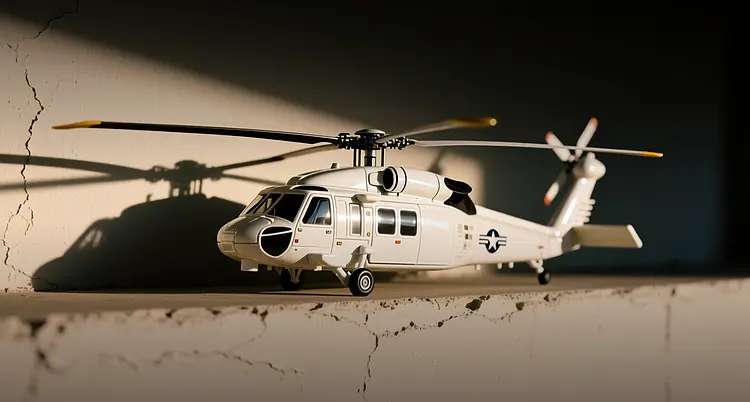
President Donald Trump confirmed Lockheed Martin's Sikorsky unit is funding a $5 million to $6 million granite helipad on the White House South Lawn, after the new VH-92A Marine One fleet proved too powerful for the existing grass landing area.
"The new helicopters generate so much power during landing, they had caused damage to the White House lawn," Trump told reporters in the Oval Office Monday, adding that Sikorsky "felt a little bit guilty" and agreed to pay the full cost.
The 23-strong VH-92A Patriot fleet, delivered by Sikorsky in 2024, vents exhaust heat downward — scorching the South Lawn and limiting the aircraft's use at the White House. The older VH-3D Sea Kings, first deployed in 1978, remain in service through year-end, according to a Marine Corps aviation plan. Trump said the helipad will allow officials to "finally retire 45-year-old helicopters."
The project marks the latest in a series of high-profile White House renovations under Trump, including the demolition of the East Wing for a new ballroom and a proposed 250-ft triumphal arch near Arlington National Cemetery. Construction has been accelerated ahead of Chinese President Xi Jinping's Sept. 24 state visit, adding roughly $875,000 in costs, according to documents viewed by the Washington Post.
Lockheed Martin said in a statement that "this specific contribution was made to the National Park Service" and was "conducted in full accordance with all applicable laws and regulations." The company did not disclose the exact cost or completion timeline. A White House official told TIME the helipad is expected to be finished sometime in September.
The VH-92A program traces its roots to the early 2000s, when President George W. Bush launched an effort to modernize the presidential helicopter fleet. That program was scrapped by the Obama administration after cost overruns. Obama restarted the effort, and Sikorsky finally won the contract in May 2014. The last of 23 aircraft was delivered in August 2024, with former President Joe Biden taking the first flight aboard a VH-92A that same month.
The helipad has drawn bipartisan criticism. Democratic Sen. Kirsten Gillibrand of New York called the project a "joke," arguing Trump is prioritizing construction over legislation such as a bipartisan housing bill. Sen. Mark Warner of Virginia criticized the accelerated timeline, saying Trump is "charging taxpayers an extra $875,000 just to speed up construction of his private White House helipad."
Trump's broader renovation agenda has faced legal and legislative hurdles. The Senate parliamentarian in May ruled against including ballroom funds in the party's budget reconciliation bill. House Democrats have introduced legislation to block the 250-ft arch project. The Lincoln Memorial Reflecting Pool, meanwhile, required further repairs after new blue paint peeled and an algae bloom turned the water green.
For Lockheed Martin, the helipad contribution reinforces its relationship with the administration at a time when defense spending remains a key policy focus. The company's Sikorsky unit has manufactured presidential helicopters for decades, and the VH-92A fleet represents a roughly $5 billion program, according to Pentagon budget documents.
This article is for informational purposes only and does not constitute investment advice.
