A margin-fueled liquidation in Seoul triggered forced selling across global semiconductor stocks, compressing valuations without damaging underlying demand.
A margin-fueled liquidation in Seoul triggered forced selling across global semiconductor stocks, compressing valuations without damaging underlying demand.
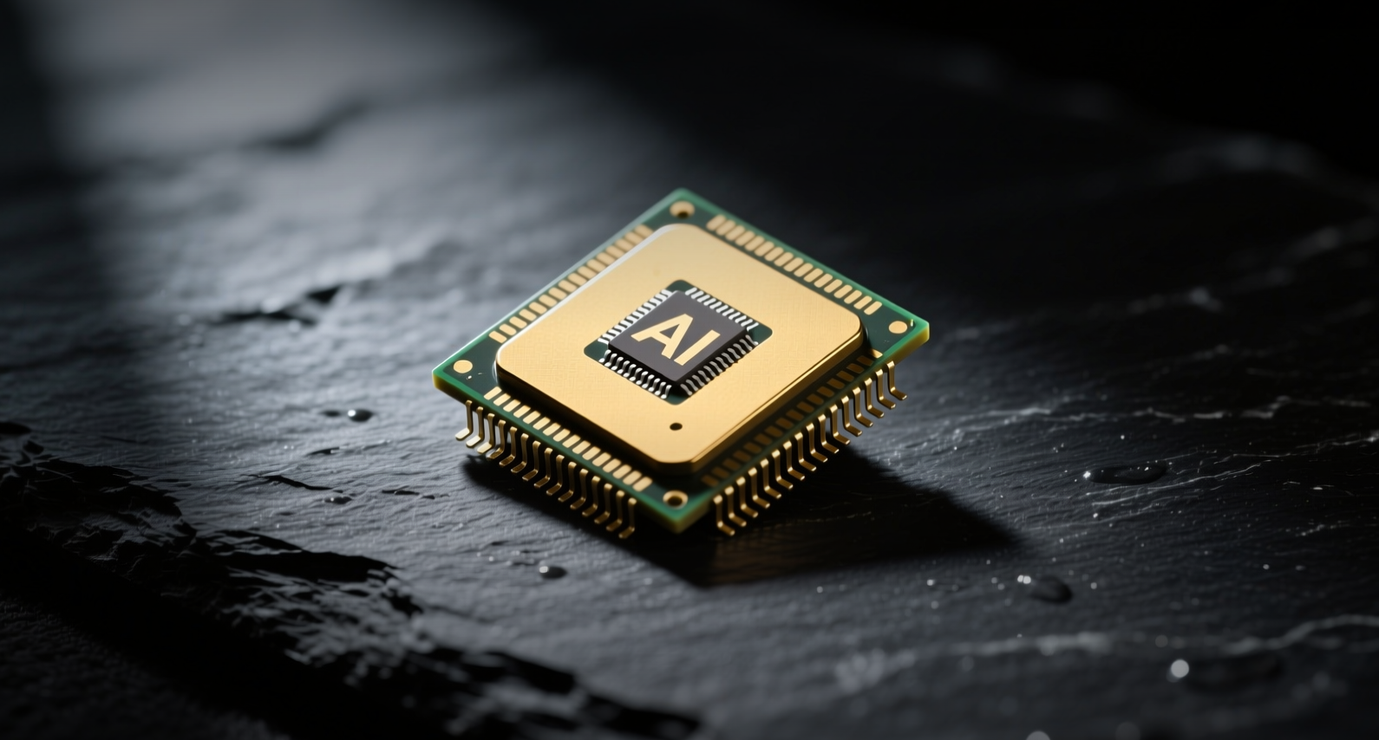
The Philadelphia Semiconductor Index fell 10.8% as a margin cascade from South Korea's KOSPI forced hedge funds to liquidate their most liquid U.S. holdings.
"The selling is mechanical, not fundamental — brokers in Seoul are liquidating leveraged accounts, and global funds are selling whatever they can to raise cash," said a senior equity strategist at a major Wall Street bank.
The KOSPI dropped roughly 8% on July 7, triggering market-wide trading halts for the second time in months. The contagion erased about $1.3 trillion in semiconductor market value, according to Reuters estimates. The VanEck Semiconductor Index fell 13% over 10 sessions, while the iShares Semiconductor ETF lost 8% in a single week. Intel dropped more than 20%. Marvell Technology fell 6.6% in the past week alone.
The dislocation creates a rare entry point for unencumbered capital. Nvidia trades at 21.7 times forward earnings, well below its five-year average of 72, according to Goldman Sachs. Taiwan Semiconductor Manufacturing Co., whose calendar-year 2026 capacity is already sold out, reports earnings July 16.
The sell-off originated in South Korea's heavily leveraged retail market, where investors use margin debt to gain outsized exposure to domestic index heavyweights. When early macroeconomic pressures triggered a regional pullback, leveraged accounts breached maintenance requirements, forcing brokers to liquidate positions. The clearest evidence of the disconnect between fundamentals and price action: Samsung Electronics issued record forward operating profit guidance of about $58.4 billion — a 1,810% surge — only to see its stock fall alongside the broader KOSPI.
The contagion spread to the U.S. through a well-established mechanism. South Korea carries heavy weightings in global technology exchange-traded funds. When trading halts in Seoul trapped institutional capital, portfolio managers facing redemption requests sold their most liquid U.S. holdings — Nvidia, Broadcom, Taiwan Semiconductor Manufacturing — to raise cash. These companies absorbed collateral damage strictly because they serve as cash registers for global funds, not because their business outlook deteriorated.
The Fundamentals Haven't Changed
The physical infrastructure build-out continues at an aggressive pace. Hyperscalers increased AI capital expenditures 67% to $650 billion. High-bandwidth memory supply is sold out through most of 2027, according to CNBC. Second-quarter 2026 semiconductor industry earnings are expected to grow 131% from a year earlier, per FactSet. Nvidia's data center demand remains strong, and Broadcom continues to benefit from custom silicon and networking contracts.
Wall Street's 12-month price targets still imply substantial upside: Nvidia at 56% and Micron at 66%, according to consensus estimates. The exception is Intel, which trades 8% above its price target.
What Comes Next
Systemic deleveraging rarely resolves in a single session. Standard settlement cycles, overlapping broker maintenance thresholds, and automated risk-reduction trades can push selling pressure over multiple days. Investors should expect potential aftershocks as the next tranche of margin calls hits.
For those with unencumbered capital, the strategy is to phase into dominant semiconductor infrastructure names — Nvidia, Broadcom, Taiwan Semiconductor Manufacturing, and ASML — as forced liquidations wash through the system. The next catalyst is TSMC's earnings report on July 16, followed by Intel on July 23. If those reports confirm that demand remains intact, today's forced selling may look less like the end of the AI hardware supercycle and more like a temporary reset in the price of its strongest suppliers.
This article is for informational purposes only and does not constitute investment advice.
