Seoul prosecutors raided the Korean offices of three global semiconductor suppliers on July 15, alleging they colluded on component prices sold to Samsung Electronics and SK hynix.
"We are cooperating fully with the investigation and maintaining normal operations," a representative from Montage Technology's board office said on July 16, after the company confirmed the raid.
The Fair Trade Investigation Division of the Seoul Central District Prosecutors' Office, led by Director General Na Hee-seok, searched the Korea offices of China's Montage Technology, Japan's Renesas Electronics, and US-based Rambus on suspicion of violating the Fair Trade Act. Prosecutors seized mobile phones and company documents to analyze whether the three companies exchanged pricing information, the timing and scope of any collusion, and the impact on actual delivery prices. The three firms are oligopolistic suppliers of semiconductor components to global memory chip makers including Samsung Electronics, SK hynix, and US-based Micron Technology.
The investigation introduces legal and reputational risk for Montage Technology, a Shanghai-listed fabless chip designer. The coordinated multi-company raid points to a broad antitrust probe that could disrupt the semiconductor supply chain in Korea, home to the world's two largest memory chip makers. The same prosecution division recently indicted four major oil refiners for colluding on price hikes after the US-Iran war, showing its aggressive enforcement stance.
Montage Technology, which specializes in memory interface chips and server platforms, said it is still gathering details about the situation and that its operations remain normal. The company trades on Shanghai's STAR Market.
Renesas Electronics, a Tokyo-listed automotive and industrial chip supplier, and Rambus, a Nasdaq-listed semiconductor IP and memory interface company, have not yet issued public statements on the raid.
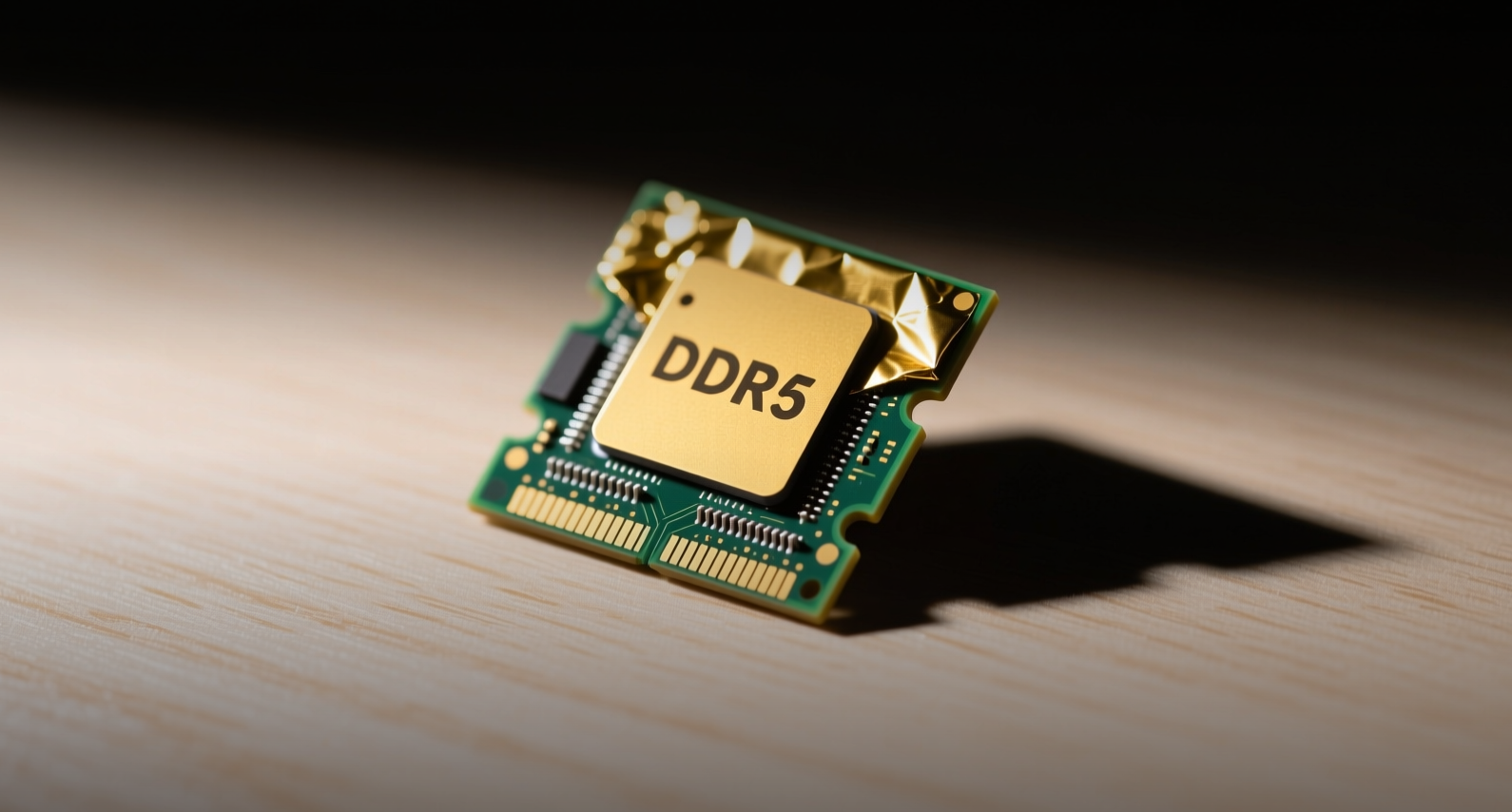
The probe targets a critical node in the memory chip supply chain. Montage, Renesas, and Rambus provide specialized interface components — including DDR5 memory interface chips, signal conditioning products, and memory controller IP — that are essential for high-bandwidth memory modules used in AI servers and data centers. Any disruption to these suppliers could affect production timelines for Samsung and SK hynix, which together control more than 70% of the global DRAM market.
The investigation also raises questions about pricing transparency in the semiconductor component market, where a small number of specialized suppliers often hold dominant positions for specific interface technologies. South Korea's antitrust enforcement has intensified in recent months, with the same prosecution unit pursuing cases across multiple industries.
This article is for informational purposes only and does not constitute investment advice.