
Hong Kong's gold central clearing system began trial operation July 7, with China Construction Bank completing 16 transactions on the first day.
Hong Kong's gold central clearing system began trial operation July 7, with China Construction Bank completing 16 transactions on the first day.
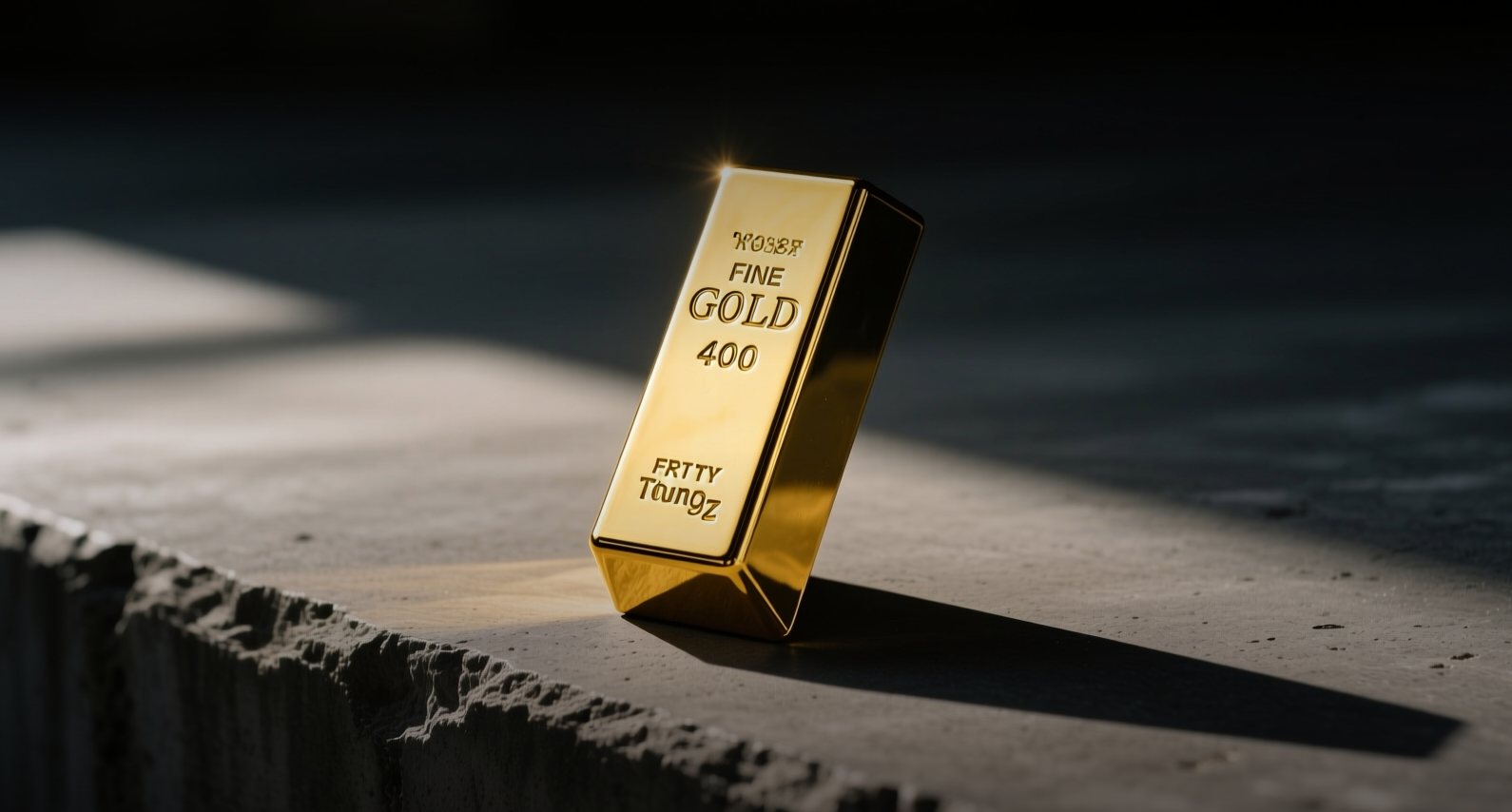
Hong Kong launched the trial operation of a gold central clearing and settlement system on July 7, a step toward building the city into a global precious metals hub as China's 15th Five-Year Plan backs commodity trading infrastructure.
"The launch of Hong Kong's central clearing system for gold will create a historic foundation, allowing us to take the next major step toward building a comprehensive gold trading ecosystem," Chief Executive John Lee said at the Hong Kong FIC & Bond Connect Summit.
The system, operated under the Hong Kong Precious Metals Central Clearing Company — a wholly government-owned entity — recorded its first batch of transactions involving multiple banks, refiners, mining companies and jewellery firms. China Construction Bank's Hong Kong unit, a board member and direct participant, deposited the first physical gold bars and executed 16 trades on the opening day, the bank said. The system uses a central ledger to record settlement activities and gold transfers, interfacing with designated vaults for physical deposits and withdrawals. Eligible gold comprises about 400 fine troy ounce bars conforming to international standards.
The clearing infrastructure positions Hong Kong to compete with London and Shanghai as a gold price-setter, with the government also exploring new RMB-denominated gold futures contracts and a one-year fee waiver on existing gold futures. Hong Kong Exchanges and Clearing Ltd. signed a memorandum of understanding with the People's Bank of China on cross-border RMB payment and clearing, deepening the city's role in yuan internationalization.
Financial Secretary Paul Chan said the trial marks a "significant step forward" in developing Hong Kong's gold trading infrastructure, while Secretary for Financial Services Christopher Hui outlined a vision for a scalable platform with trusted capabilities in clearing, connectivity, price discovery, risk management, storage and insurance.
The government plans to expand storage capacity and refining capabilities, diversify gold investment products, explore tax incentives and establish an industry-led trade association. A new HAU price ticker will provide a Hong Kong-specific reference rate, and the initial phase of "Delivery Connect with the Shanghai Gold Exchange" has also been rolled out.
The last major push to develop Hong Kong's gold market came in 2022 when the city exempted gold ETFs from stamp duty, but trading volumes remained modest compared with London's over-the-counter market, which clears an estimated $50 billion daily through the London Bullion Market Association. On the launch day, SHFE gold fell 0.83 percent while COMEX gold dropped 0.57 percent, reflecting broader pressure across precious metals as the US dollar index edged up 0.03 percent to 100.89.
For global investors, the system creates a regulated channel for gold trading in Asia with settlement in both US dollars and yuan, potentially reducing reliance on London clearing. Asia accounts for about 60 percent of global gold demand, according to the World Gold Council, and if Hong Kong captures a meaningful share of those flows, the city could add billions of dollars in financial services revenue annually.
This article is for informational purposes only and does not constitute investment advice.
