

Honeywell completed its aerospace spin-off June 30, creating Honeywell Technologies as a pure-play automation company and Honeywell Aerospace as a standalone supplier.
Honeywell completed its aerospace spin-off June 30, creating Honeywell Technologies as a pure-play automation company and Honeywell Aerospace as a standalone supplier.
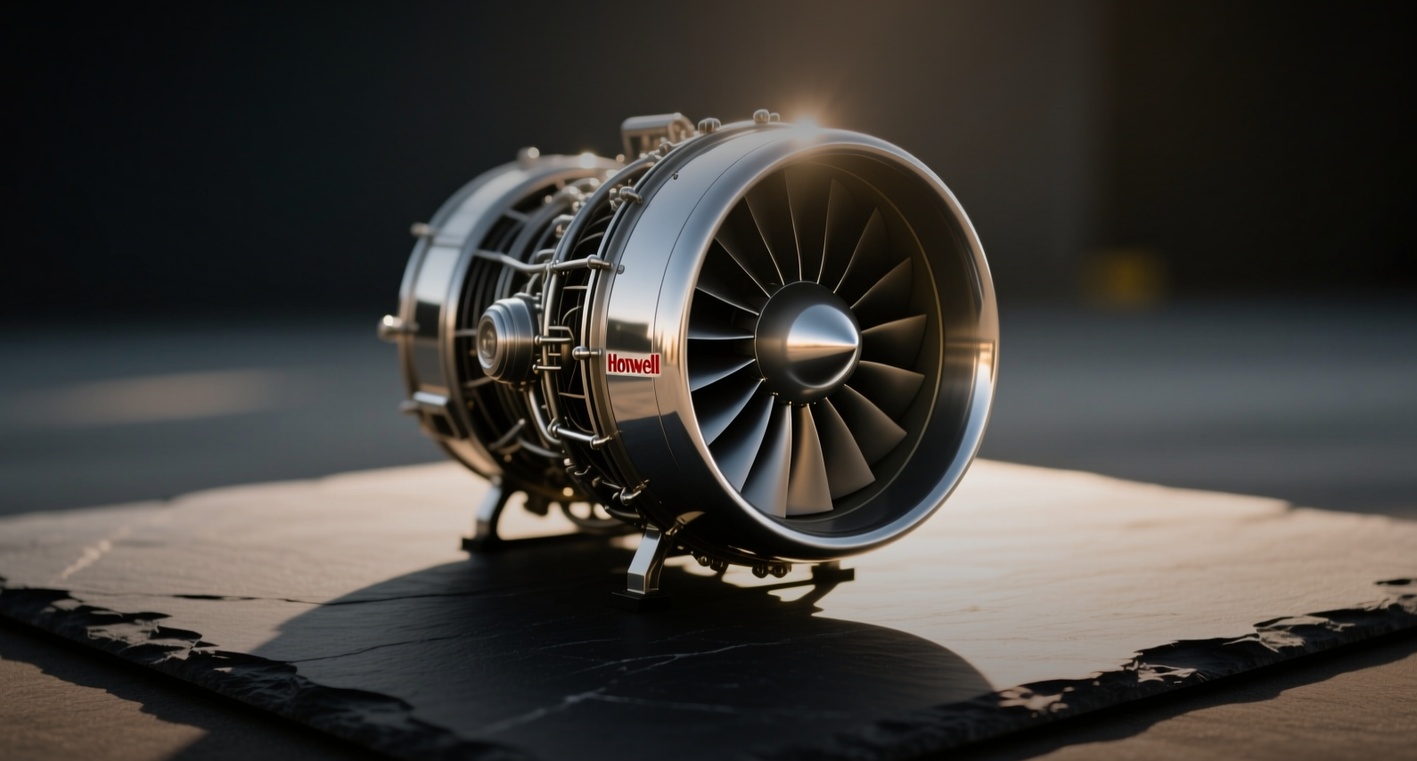
Honeywell completed its aerospace spin-off June 30, creating Honeywell Technologies as a pure-play automation company and Honeywell Aerospace as a standalone supplier.
Honeywell completed its aerospace spin-off June 30, launching Honeywell Technologies as a pure-play automation company and Honeywell Aerospace as an independent supplier whose shares traded as high as $238.19 in their Nasdaq debut.
"The separation establishes Honeywell Aerospace as an independent, global leader in aerospace and defense," the company said in a statement announcing the completion.
Honeywell Aerospace shares opened above their when-issued closing price before sliding later in the session, a pattern seen in other industrial spin-offs. The three businesses — advanced materials, automation and aerospace — now operate as separate publicly traded entities, each targeting a distinct investor base with its own valuation framework.
The restructuring unlocks two distinct investment narratives. Honeywell Technologies becomes a pure-play automation company, potentially attracting investors focused on industrial software and factory automation, while Honeywell Aerospace gains its own valuation as a standalone supplier to commercial and defense customers. Both companies can now pursue more targeted M&A strategies without the conglomerate discount that had weighed on Honeywell's shares.
The spin-off follows a broader trend of industrial conglomerate breakups. General Electric completed its three-way split into GE Aerospace, GE Vernova and GE HealthCare in 2024, while Johnson Controls separated its automotive battery business in 2023. Honeywell's move reflects sustained investor demand for simpler corporate structures that trade at higher multiples than diversified conglomerates.
Honeywell Technologies inherits the automation and advanced materials divisions, focusing on process control software, sensors and specialty chemicals. The pure-play structure may command a premium over the conglomerate's historical valuation, as investors can now directly compare its margins and growth rates against automation peers such as Siemens and Rockwell Automation. The company's focus on industrial digitization and factory automation places it at the center of a sector that has seen increased capital spending as manufacturers seek to improve efficiency.
Honeywell Aerospace becomes a standalone supplier of engines, avionics and cockpit systems. Its customer base includes Boeing, Airbus, Lockheed Martin and major airlines, giving it exposure to both commercial aviation recovery and defense spending growth. The company's debut on the Nasdaq adds another pure-play aerospace name to a sector that includes GE Aerospace and RTX. As a standalone entity, Honeywell Aerospace can pursue acquisitions in the aerospace supply chain, where consolidation has accelerated as suppliers seek scale to meet rising aircraft production targets.
The separation also creates opportunities for each company to optimize its capital structure independently. Honeywell Technologies, with its automation focus, may prioritize investments in software and digital services, while Honeywell Aerospace could allocate capital toward research and development in next-generation propulsion and avionics systems. Both companies will report their own financial results starting next quarter, giving investors clearer visibility into each business's performance.
For Honeywell Technologies, the pure-play status could attract a different investor base — one focused on industrial technology and automation rather than diversified industrials. The company's exposure to trends such as reshoring, labor automation and digital twin technology positions it to benefit from structural shifts in global manufacturing. Honeywell Aerospace, meanwhile, gains the flexibility to pursue its own strategic priorities, including potential bolt-on acquisitions in the avionics and engine components markets.
Looking ahead, the success of the separation will depend on each company's ability to execute independently. Honeywell Technologies must demonstrate that its automation and materials businesses can grow faster as a focused entity, while Honeywell Aerospace needs to show it can compete effectively against larger rivals such as GE Aerospace and RTX. The next quarterly earnings reports, due in late July, will provide the first detailed look at each company's standalone financial performance.
This article is for informational purposes only and does not constitute investment advice.
