



Robotics ETFs are finding their next growth engine in healthcare, where automation is projected to create a $57 billion market by 2032.
Robotics ETFs are finding their next growth engine in healthcare, where automation is projected to create a $57 billion market by 2032.
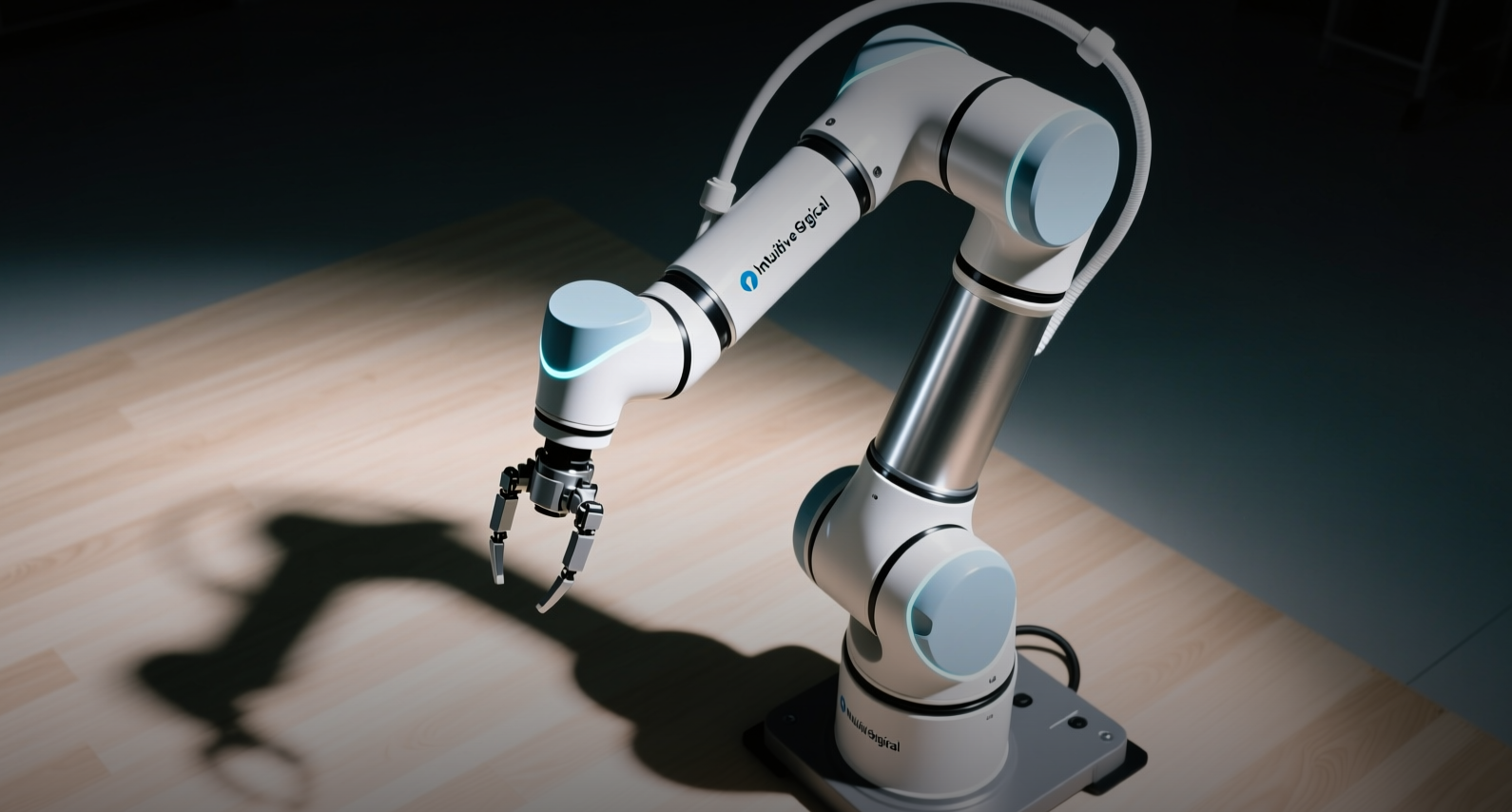
Robotics ETFs are finding their next growth engine in healthcare, where automation is projected to create a $57 billion market by 2032.
The shift from factory-floor robotics to clinical automation is reshaping the $3.4 billion Global X Robotics & Artificial Intelligence ETF (BOTZ) and its peers, as med-tech innovators including Intuitive Surgical Inc. and Illumina Inc. become top holdings in funds historically dominated by industrial automation stocks.
"Healthcare is at an inflection point where robotics moves from early adoption to mainstream scale, driven by an aging population and a shortage of skilled surgeons," according to a May 2025 report from Johns Hopkins University, which projects the global healthcare robotics market will grow from $14.9 billion in 2023 to $57 billion by 2032.
Intuitive Surgical's da Vinci system installed base reached 11,395 units as of March 31, up 12% from a year earlier, with procedures rising about 16% year over year in the first quarter of 2026. The new da Vinci 5 platform is driving higher utilization, while Stryker Corp.'s Mako robotic-arm system has become a standard in orthopedic surgery for total knee and hip replacements. Illumina's lab automation technologies, including its Infinium Automated Pipetting System and Digital Microfluidics platform, are reducing processing times in genomic studies and clinical diagnostics.
For investors, the rotation means robotics ETFs now offer exposure to a broader value chain. BOTZ, with $3.43 billion in net assets, allocates 6.72% to Intuitive Surgical as its fifth-largest holding. The ROBO Global Robotics and Automation Index ETF, which surged 36.2% over the past year, counts both Intuitive Surgical and Illumina among its top six positions. The First Trust Nasdaq Artificial Intelligence and Robotics ETF holds Illumina as its fourth-largest component at 1.75% weight.
How Healthcare Became Robotics' New Frontier
Robotics in medicine has expanded far beyond the handful of guided surgeries that defined the field a decade ago. Orthopedic robots, pharmacy automation systems, and AI-driven diagnostic tools now represent distinct growth verticals. The shift is structural: an aging global population and persistent clinical staff shortages create demand that industrial automation alone cannot satisfy.
UiPath Inc., a leader in robotic process automation, acquired WorkFusion in early 2026 to strengthen its agentic automation solutions for financial services, including fraud prevention and lending. While not a healthcare company, UiPath's expansion into purpose-built AI agents illustrates the broader trend of automation crossing industry boundaries — a dynamic that benefits diversified robotics ETFs.
ETF Performance Reflects the Pivot
The three largest robotics-focused ETFs have delivered strong returns over the past year, though with varying exposure to healthcare. BOTZ has rallied 13.1%, charging 68 basis points in fees. ROBO has gained 36.2% with a 95-basis-point fee, while ROBT has risen 15% at 65 basis points. The dispersion reflects different weighting strategies: ROBO's broader 79-company portfolio captures more med-tech exposure, while BOTZ's 62 holdings lean toward industrial automation leaders such as Keyence Corp., its top position at 9.69%.
For investors, the question is whether healthcare automation can sustain the momentum. Intuitive Surgical's da Vinci 5 platform creates a data-rich ecosystem that strengthens its competitive moat in AI-assisted surgery, according to the company's Q1 2026 earnings. Stryker's Mako system continues to gain share in the $20 billion global orthopedic device market. Illumina's lab robotics address a growing bottleneck in genomic research, where sample processing volumes are rising faster than laboratory staffing.
The $57 billion addressable market projected for 2032 implies a compound annual growth rate of about 16% from 2023 levels — a trajectory that, if realized, would make healthcare the dominant end-market for robotics investment within a decade.
This article is for informational purposes only and does not constitute investment advice.
