Jim Cramer argues Google's Gemini default on 2.5 billion Apple devices could replicate the distribution lock-in that made Google Search dominant for two decades.
Google's Gemini could gain an insurmountable distribution advantage as the default artificial intelligence on Apple's 2.5 billion devices, replicating the search-era moat that made Alphabet's Google untouchable for two decades.
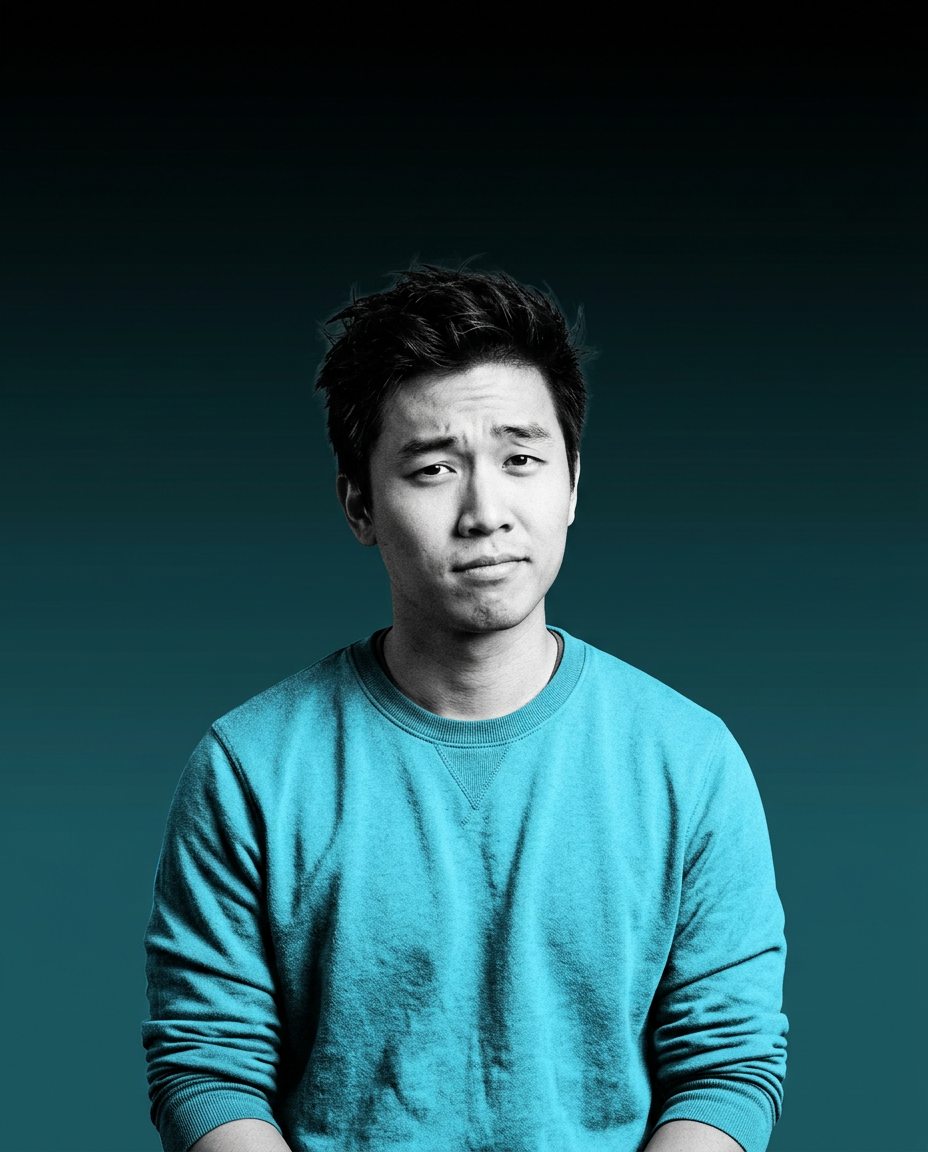
"If there's only going to be one winner in AI, it's going to be Google with Gemini, because it's the default on Apple's installed base of 2.5 billion devices," Jim Cramer said during his July 9 Mad Money segment on CNBC. "That was enough to wipe out all comers once before with Google Search."
Alphabet trades at about 15 times earnings, a steep discount to Apple's 42 times, even as Google Cloud revenue surged 63 percent to $20.03 billion in the first quarter. Gemini now processes 16 billion tokens per minute via direct API, up 60 percent quarter over quarter, while the company guided for $175 billion to $185 billion in 2026 capital expenditures.
The distribution thesis faces two tests in the coming weeks: the next Gemini Pro release, which prediction markets price at a 78.7 percent probability by July 31, and Alphabet's second-quarter earnings, where markets assign a 78.5 percent probability of a beat. Both could confirm whether Cramer's structural argument holds or whether model quality gaps — prediction markets give Google just 5 percent odds of leading AI benchmarks in 2026 — undermine the default advantage.
The Apple Distribution Moat
Google already pays Apple to be the default search engine inside Safari, a relationship disclosed in prior Department of Justice antitrust testimony. If that same distribution rail funnels Gemini into Apple Intelligence experiences, Google gains instant access to the largest premium consumer footprint on earth without building a phone. The original Google Search moat came from the compounding effect of being the default answer on every browser and device that mattered, well beyond algorithmic superiority.
Apple Chief Executive Officer Tim Cook confirmed the scale on the company's Jan. 29 earnings call. "Our installed base now has more than 2.5 billion active devices, which is a testament to incredible customer satisfaction for the very best products and services in the world," Cook said. Apple's services revenue hit an all-time record of $30.98 billion in the fiscal second quarter.
Berkshire Hathaway Owns Both Sides
Berkshire Hathaway's endorsement adds institutional weight to the thesis. New Chief Executive Officer Greg Abel opened an Alphabet position in the third quarter of 2025, added shares in the first quarter of 2026, and participated in a $10 billion private placement inside Alphabet's $80 billion AI-funding raise, building a stake of roughly $31.1 billion, or 9 percent of the portfolio. Berkshire still holds Apple as its largest position at about $57.8 billion, meaning it now owns both sides of the Cramer trade.
The Bear Case Against Default Dominance
A price-to-earnings ratio of 15 times can reflect real risks: ad-market cyclicality, intensifying AI competition from OpenAI and Anthropic, and unresolved antitrust exposure. Reddit sentiment tracked bearish scores of 28 to 43 in late June on news that Gemini co-lead Noam Shazeer and other AI researchers were departing for OpenAI and Anthropic.
A default-placement deal itself could invite fresh regulatory scrutiny, meaning distribution advantages that look permanent on paper are not automatically durable. Prediction markets currently give only 5 percent odds that Google will be first to hit a 1,550 Arena score in 2026, a reminder that model leadership is genuinely contested.
What It Means for Investors
Cramer's argument reduces to a simple question: does distribution beat model quality when the gaps narrow? History with search suggests yes, and Alphabet's 36 percent operating margin alongside $175 billion to $185 billion in 2026 capital expenditure guidance shows the company is spending as if it believes the same.
Alphabet's first-quarter revenue came in at $109.9 billion, up 22 percent year over year, with earnings per share of $5.11 versus a $2.63 consensus. Chief Executive Officer Sundar Pichai said on the earnings call that "our AI investments and full stack approach are lighting up every part of the business," adding that Google Search had "a strong quarter with AI experiences driving usage, queries at an all time high, and 19 percent revenue growth."
The valuation gap between Alphabet and Apple is real — GOOGL trades at 15 times earnings versus Apple's 42 times, with an analyst consensus target of $432 against a current price of $354.88. But the antitrust and competitive overhangs are equally real, and investors should weigh both sides of the trade before sizing positions based on a distribution thesis that has yet to be fully confirmed in commercial terms.
This article is for informational purposes only and does not constitute investment advice.