
Germany abandoned its most ambitious naval project since World War II, swapping six bespoke frigates for eight off-the-shelf warships in a procurement overhaul driven by cost and the Russia threat.
Germany abandoned its most ambitious naval project since World War II, swapping six bespoke frigates for eight off-the-shelf warships in a procurement overhaul driven by cost and the Russia threat.
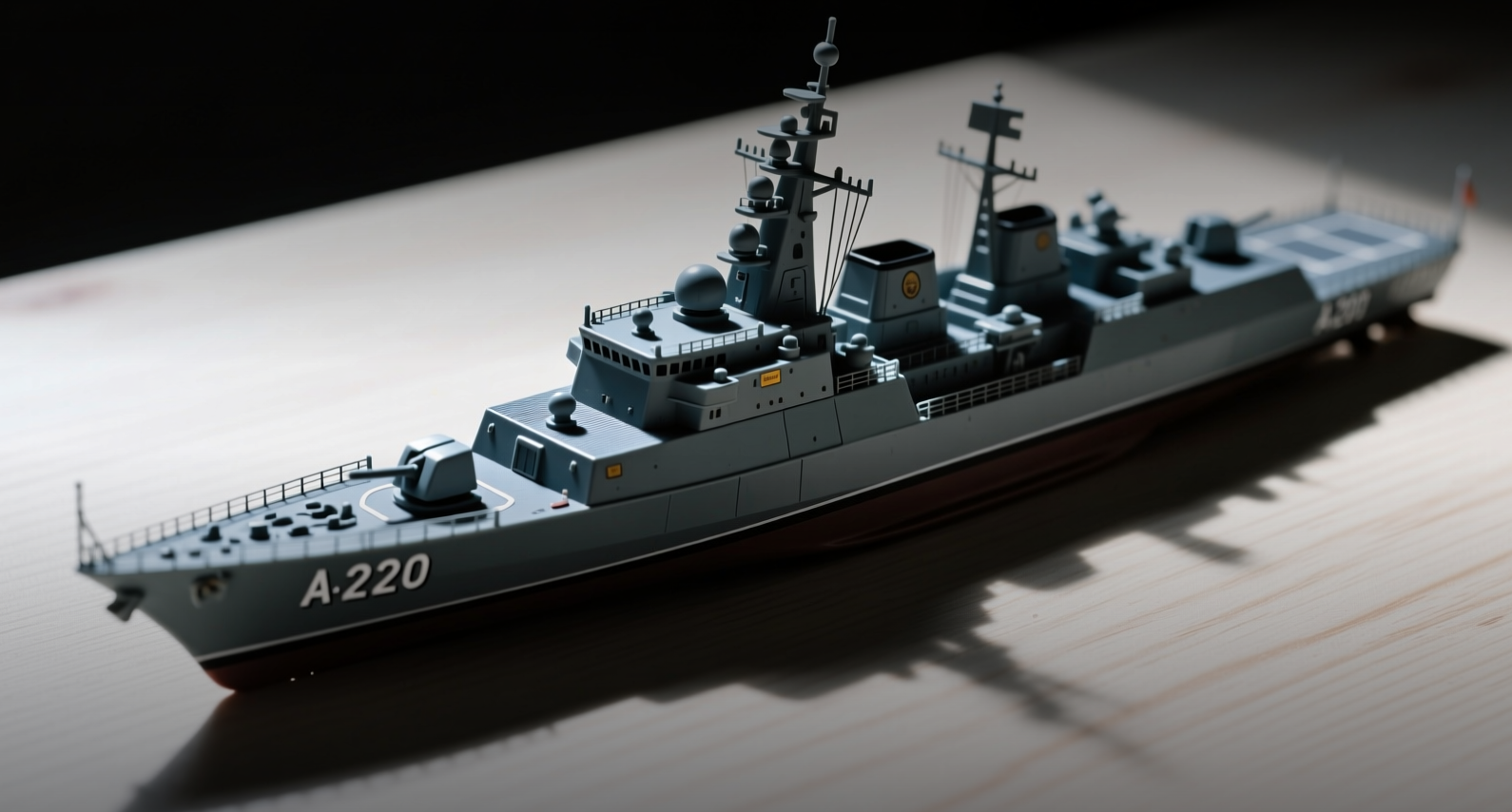
Germany canceled a €15.2 billion order for six F126 frigates Wednesday, opting instead to buy eight MEKO A-200 warships from TKMS for €11.6 billion as cost overruns and shifting defense priorities reshaped Europe's biggest rearmament effort.
"The F126 procurement project began long before the Common Era and is no longer appropriate for today's security situation," Bastian Ernst, the CDU/CSU parliamentary group's spokesperson on naval affairs, said in a statement. "Better an end with horror than a horror without end."
The original 2020 contract with Dutch shipbuilder Damen Schelde Naval Shipbuilding valued six F126 frigates at about €10 billion. After Damen notified the ministry it could not meet the agreed timeline or budget, Berlin explored transferring the contract to Rheinmetall-owned NVL — only to find the cost had ballooned to an estimated €18 billion, including work already completed. The government had already spent about €2.3 billion on the program, according to the Defense Ministry.
The decision marks a strategic shift for Germany as it embarks on a half-trillion-euro military buildup in response to Russia's threat and signals the U.S. may reduce its European footprint. Berlin is moving away from complex, tailor-made systems toward proven, off-the-shelf hardware that can be deployed faster — a pivot that cost Rheinmetall 18.5% of its market value in a single day.
Cost Overruns Made the F126 Unsustainable
The F126 was conceived in 2020 as a multi-role combat ship capable of extended deployments, reflecting an era when European militaries focused on expeditionary missions abroad rather than homeland defense. The war in Ukraine changed those priorities, with NATO now demanding urgent anti-submarine warfare capabilities to counter Russian submarine activity in the North Sea and North Atlantic.
When Damen fell behind schedule — pushing first delivery from 2028 to 2032 — the ministry began negotiating with NVL, the German shipbuilder Rheinmetall acquired last year. Those talks produced a €15.2 billion offer for six ships, but when accounting for Damen's completed work and support contracts, the total requirement exceeded €18 billion. The government would also have had to waive potential damage claims against Damen, a condition the ministry said it could not accept.
The last time a major German defense project collapsed at this scale was the Eurofighter Typhoon's early development phase in the 1990s, when cost overruns of roughly 40% triggered a restructuring that delayed deliveries by several years. The F126's cost escalation — from €10 billion to more than €18 billion — represents an 80% increase over the original contract value.
MEKO A-200 Delivers Speed Over Customization
The replacement, designated F128 in German service, is a proven design already in use with eight navies worldwide. TKMS will build the first four MEKO A-200 DEU frigates for €6.3 billion, with an option for four more at €5.3 billion exercisable by the end of 2026. The lead ship is expected by the end of 2029, with subsequent vessels delivered every nine months.
The MEKO will carry the same Atlas Elektronik towed sonar system planned for the F126, ensuring the navy meets its NATO anti-submarine warfare commitments. However, key sensors and the combat management system will come from Sweden — adopted from TKMS's Australian bid — rather than from German suppliers such as Hensoldt and Thales. The ships will be armed with Naval Strike Missiles rather than Sweden's RBS 15.
The German Navy's three F123 frigates, currently being refitted with anti-submarine warfare upgrades including new towed sonar, are scheduled for completion in 2029. With the first MEKO arriving around the same time, the navy will have four large ASW-capable ships operational by the end of the decade.
Rheinmetall's Setback and the Broader Defense Landscape
Rheinmetall's 18.5% share decline reflects investor concern that Chief Executive Armin Papperger's expansion into naval shipbuilding — via the NVL acquisition — may have overextended the company into areas where it lacks expertise. Analysts expect Rheinmetall could still play a role in MEKO production, as TKMS said the option for four additional ships "opens up the possibility of involving the German shipbuilding industry."
The F126 cancellation echoes the U.S. Navy's recent decision to abandon its Constellation-class frigate program, which also suffered from cost overruns and delays in delivering comparable anti-submarine warfare capabilities. Both cases highlight a structural challenge in Western naval shipbuilding: bespoke warship programs routinely exceed budgets and timelines, while Asian shipbuilders in Japan, South Korea and China deliver similar vessels faster and cheaper.
For Germany, the pivot to MEKO frigates signals that even as Berlin commits more than €500 billion to defense, it will enforce pricing discipline. The Bundestag's budget committee must still approve the MEKO purchase, but lawmakers had already allocated €7.8 billion for an F126 alternative in the 2025 budget and mandated a preliminary agreement with TKMS.
This article is for informational purposes only and does not constitute investment advice.
