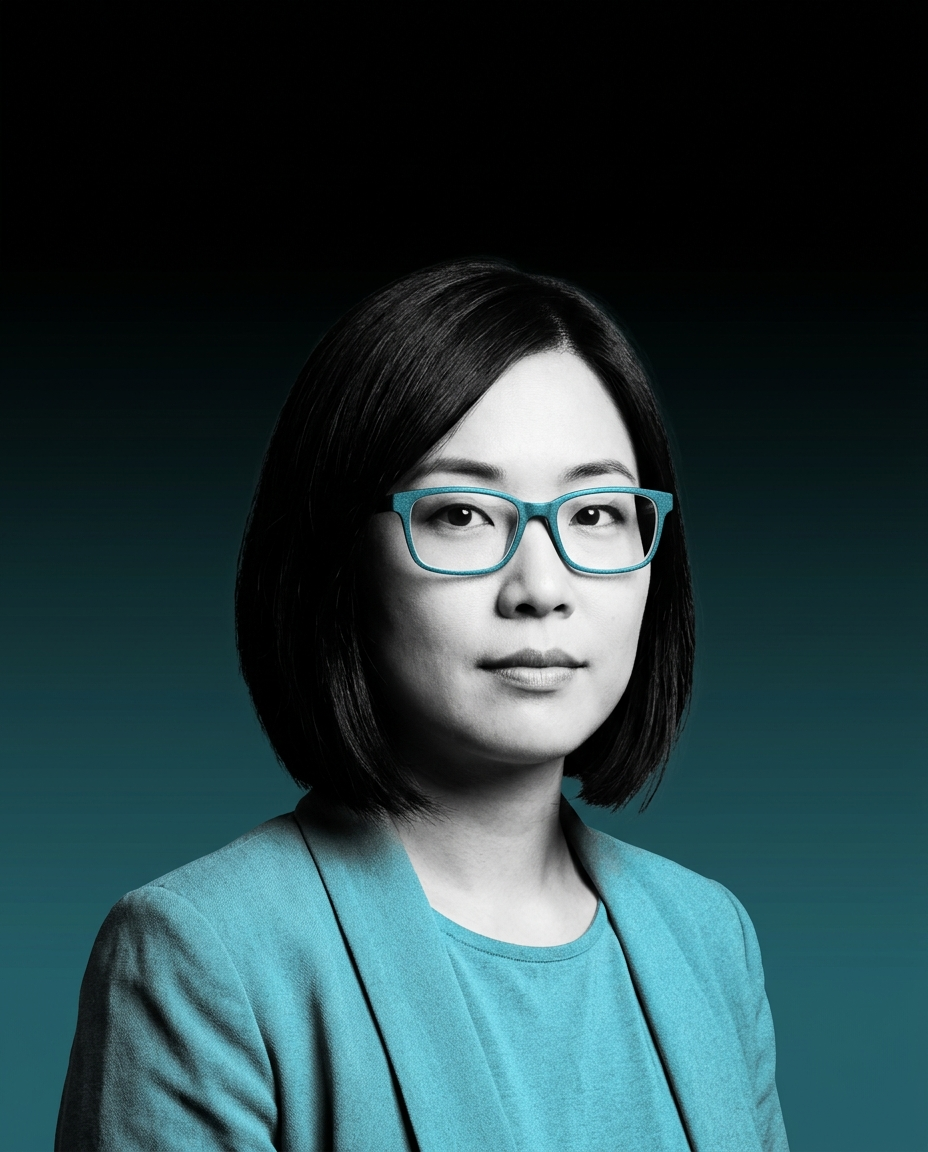


Atreides Management CIO Gavin Baker argues the memory shortage powering AI hardware gains is structurally different from past semiconductor cycles — and far from over.
Atreides Management CIO Gavin Baker argues the memory shortage powering AI hardware gains is structurally different from past semiconductor cycles — and far from over.
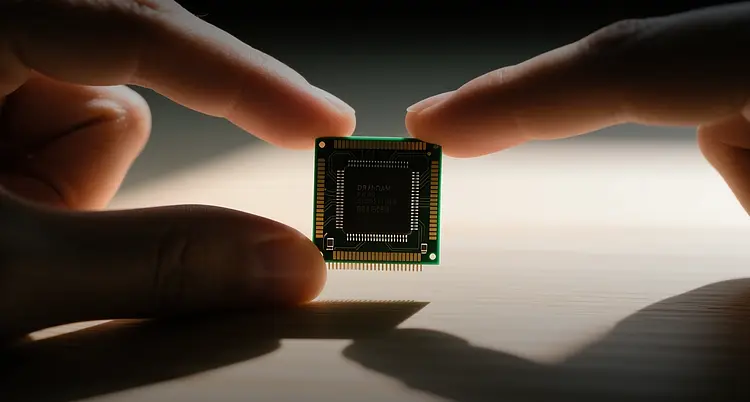
Atreides Management CIO Gavin Baker argues the memory shortage powering AI hardware gains is structurally different from past semiconductor cycles — and far from over.
The memory shortage driving triple-digit gains in Micron Technology Inc. and SK Hynix Inc. this year is structurally different from past semiconductor cycles, according to Atreides Management CIO Gavin Baker, who sees four reasons the crunch will persist.
"This cycle is different because the supply side is disciplined in a way it has never been before," Baker said during a recent appearance on the All-In Podcast.
Baker, whose $7 billion hedge fund was early on Nvidia Corp., Astera Labs Inc. and Coherent Corp., pointed to a hardware bottleneck as consumer devices from Apple Inc. lack the dynamic random-access memory needed to run AI models locally. He also highlighted that Taiwan Semiconductor Manufacturing Co. is keeping its capacity constrained, preventing the oversupply glut that typically crashes memory prices.
The thesis carries significant weight for investors. Baker's memory-focused positions in SK Hynix, SanDisk Corp. and Micron have delivered triple-digit returns in 2026 alone, and Micron's most recent quarter showed revenue surging 345% year over year — far exceeding Wall Street EPS expectations.
Historically, memory stocks at current valuations would signal a sell. The semiconductor industry's boom-bust pattern has punished late-cycle buyers repeatedly as new fabrication capacity comes online and floods the market with supply. But Baker draws a sharp contrast: TSMC's capacity discipline means the usual oversupply that crashes DRAM prices does not exist today.
The shift reflects a broader structural change in AI infrastructure demand. Apple's need for more DRAM in its devices to support on-device AI processing represents a new demand vector absent in prior cycles. As consumer hardware requires more memory capacity, companies like Micron and SK Hynix benefit from both data center and consumer demand tailwinds — a dual-engine growth profile the memory industry has never experienced simultaneously.
For investors, Baker's thesis suggests the memory trade still has room to run. Atreides Management's 13F filing from late 2025 showed increased positions across memory names — a bet that has already paid off with triple-digit percentage gains. With Micron delivering 345% revenue growth and blowing past consensus estimates, the question is whether the market has fully priced in the structural shift Baker describes.
The broader AI hardware supply chain is also affected. Nvidia, whose GPUs require high-bandwidth memory (HBM) from the same constrained suppliers, depends on this delicate balance. Any disruption in memory availability could ripple through the entire AI infrastructure stack, from data center operators to cloud providers. For investors tracking the AI trade, Baker's thesis provides a framework for evaluating whether memory names — currently at elevated valuations by historical standards — deserve a structural premium.
This article is for informational purposes only and does not constitute investment advice.
