

Key Takeaways:
- First Solar posted $1.04B in Q1 sales, up 24% year over year
- The company holds a $14.4B contracted backlog through 2030
- Its 16.5 P/E and 0.67 PEG ratio suggest deep value versus peers
Key Takeaways:
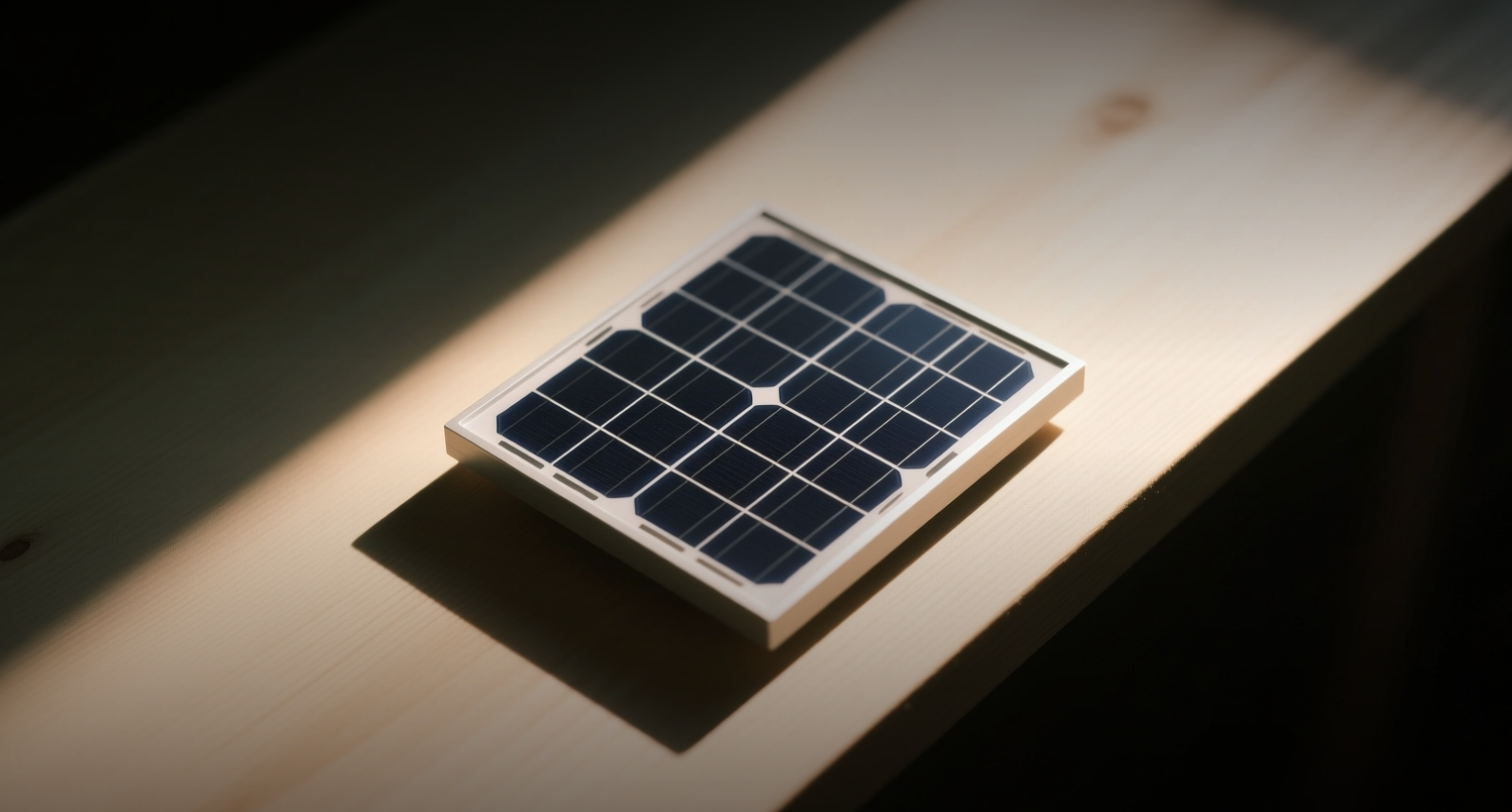
First Solar's 16.5 P/E and 0.67 PEG ratio suggest the market has not priced in the AI data center energy opportunity.
First Solar posted $1.04 billion in first-quarter net sales, up 24% year over year, as AI data center operators increasingly turn to utility-scale solar to power their energy-intensive facilities. The Tempe, Arizona-based company cited an increase in the volume of modules sold to third parties as a major catalyst, fueled by demand from the artificial intelligence build-out.
"The U.S.'s AI leaders are investing billions of dollars into solar energy," the Solar Energy Industries Association said in a report last year, noting that solar power can put less strain on the electric grid than traditional sources. Elon Musk has also outlined plans for solar-powered AI data centers for SpaceX, a potential new frontier for the industry.
First Solar holds a contracted 47.9-gigawatt backlog, providing multiyear revenue visibility through 2030. The company expects to sell 17.6 gigawatts at the projected 2026 midpoint and generate $5.05 billion in revenue. Net margins reached 33% in the first quarter, while annualized revenue growth over the past three years hit 25.8%. Record sales in India contributed roughly 1 gigawatt of volume in the period.
The valuation stands in stark contrast to peers. First Solar trades at 16.5 times earnings with a price-to-earnings-to-growth ratio of 0.67 — levels that suggest the market has yet to fully price in the AI-driven energy demand thesis. Enphase Energy, by comparison, trades at 51.1 times earnings despite recent year-over-year revenue declines, while SolarEdge remains unprofitable with a forward P/E of 208. The stock has slipped roughly 2% year to date, even as the company has substantially committed U.S. production through 2028.
The convergence of AI infrastructure and renewable energy creates a new addressable market that few solar companies have explicitly targeted. First Solar's utility-scale panels are well suited for the massive power requirements of data centers, which face growing pressure to secure clean energy sources. If Musk's vision of space-based AI data centers materializes, the demand for solar generation systems could expand further — Redwire, a space infrastructure company, has already begun exploring solar energy systems for orbital data centers.
First Solar's low valuation offers a margin of safety for investors betting on the AI energy theme, but the stock's 2% year-to-date decline suggests the market remains skeptical about the timing and scale of this opportunity. With a $14.4 billion contracted backlog and net margins above 30%, the company has the financial foundation to weather that skepticism while the thesis plays out.
This article is for informational purposes only and does not constitute investment advice.
