


Hyperscalers are turning to rows of small natural-gas engines to power AI data centers, bypassing grid bottlenecks that delay new capacity by years.
Hyperscalers are turning to rows of small natural-gas engines to power AI data centers, bypassing grid bottlenecks that delay new capacity by years.
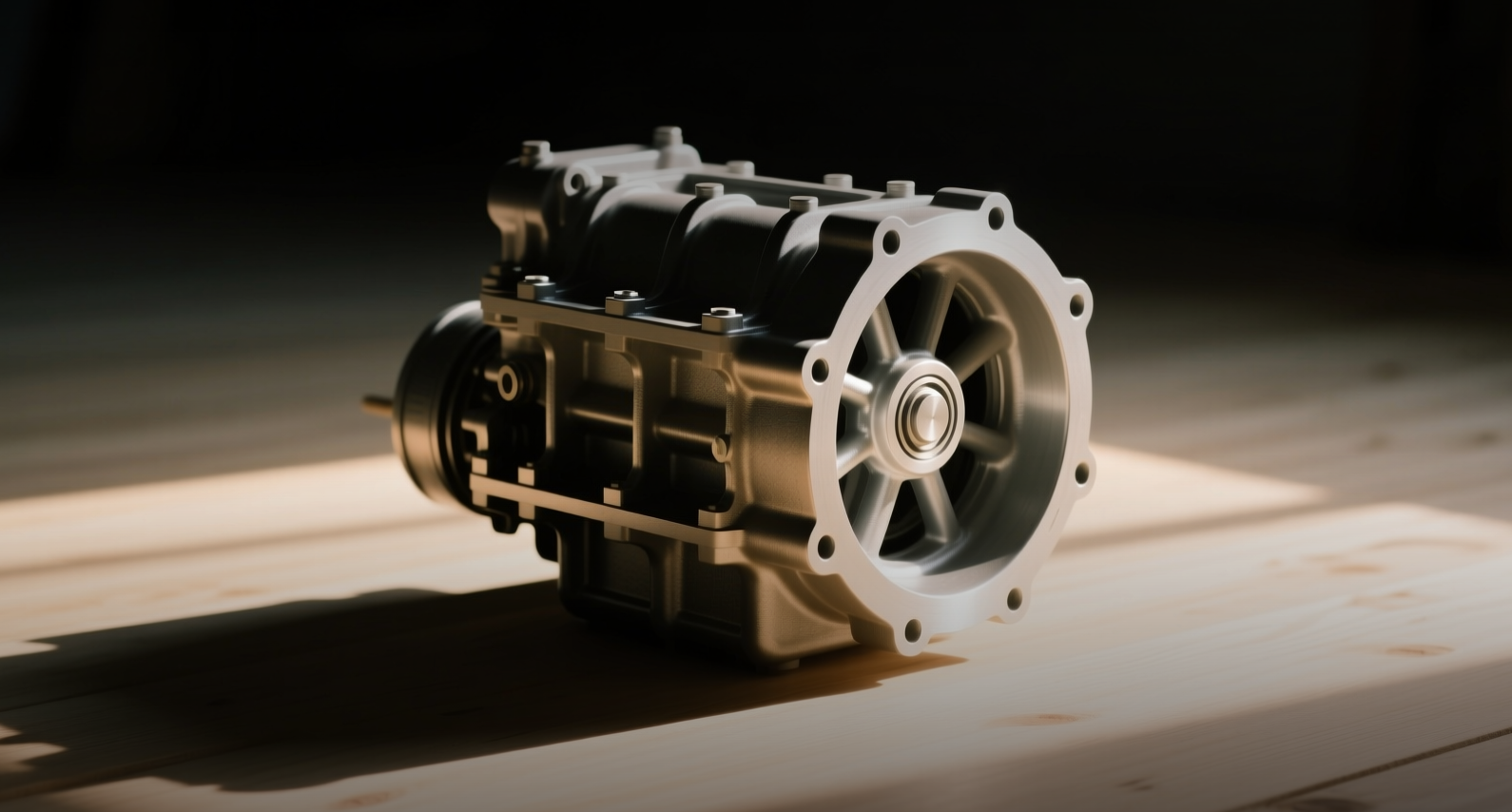
Hyperscalers are turning to rows of small natural-gas engines to power AI data centers, bypassing grid bottlenecks that delay new capacity by years.
Reciprocating engine makers are racing to expand production as hyperscale data centers turn to off-grid natural-gas power to bypass multiyear grid connection delays, with Innio reporting data center sales more than doubled in the first quarter.
"The shift from 'what's available' to 'what's best' is already underway among data center operators," Musfika Mishi, an analyst at BloombergNEF, said. "Reciprocating engines are gaining more traction because they can be delivered in one to two years versus seven to eight for heavy-duty turbines."
Innio's Jenbacher engines are the most popular choice, with 8.3 GW of announced data center projects planning to use them, according to BloombergNEF. Vantage Data Centers alone plans 620 units totaling 2.58 GW at its Stargate Frontier campus in Texas. Rolls-Royce and Caterpillar follow with 3.7 GW and 3.6 GW respectively. Caterpillar's order backlog of reciprocating engines rose more than 3.5 times, while Rolls-Royce data center revenue increased 35% in its last quarter of 2025.
An engine-based off-grid system costs about $103 per MWh over 30 years, cheaper than turbines at $106 to $109.50 per MWh and fuel cells at $140 per MWh, BloombergNEF estimates. Innio, which went public in June, is the most leveraged to the trend — data centers accounted for 61% of its equipment orders in the 12 months through the first quarter. Its shares have risen 46% from the IPO price, with an enterprise value of roughly 34 times forward EBITDA.
Innio plans to triple its manufacturing capacity to about 10 GW by 2030, according to RBC Capital Markets. Caterpillar said it would increase turbine manufacturing by 2.5 times and large reciprocating engine capacity to three times its 2024 levels. The expansion comes as lead times for engines range from one to two years, compared with up to three years for aeroderivative turbines and seven to eight years for heavy-duty utility-scale turbines.
The engines have advantages beyond availability. They offer quicker response times than turbines, making them suitable for data centers with large swings in power usage, and require less battery storage on site. They also lose less efficiency in hot climates such as Texas, where many new data centers are being built because of natural gas access, and have no heavy water requirements for cooling.
The biggest question hanging over the sector is whether manufacturers are overbuilding. About 15 GW of engine capacity is currently dedicated to the power sector, but manufacturers across all engine types — including marine and heavy-duty uses — have the capacity to produce 250 GW, according to Thunder Said Energy. Repurposing some of that capacity for data centers would require only minor investment.
A moderate overbuild may be manageable. In an oversupplied market, data center customers would likely shift from buying based on availability to prioritizing the best technology, according to RBC. Innio's Jenbacher engines are considered the best in class, with the fastest ramp times and the largest high-speed engine capacity at up to 5 MW per unit, sector analysts said. Diversified manufacturers such as Caterpillar, Rolls-Royce and Wartsila could redirect engine production to their traditional customers if data center orders slow.
Innio trades at a premium to diversified peers — Caterpillar and Rolls-Royce both have forward EBITDA multiples below 30 times — reflecting its pure-play exposure to data center power demand. But the valuation also leaves less room for error if the manufacturing buildout overshoots demand. For investors, the key question is whether the current capacity expansion will match the pace of AI infrastructure buildout, or repeat the boom-and-bust cycle that scarred power equipment makers in the early 2000s.
This article is for informational purposes only and does not constitute investment advice.
