
The European Central Bank raised its deposit rate for the first time in three years, betting a 25-basis-point increase to 2.40% can contain an energy-driven inflation spike.
The European Central Bank raised its deposit rate for the first time in three years, betting a 25-basis-point increase to 2.40% can contain an energy-driven inflation spike.
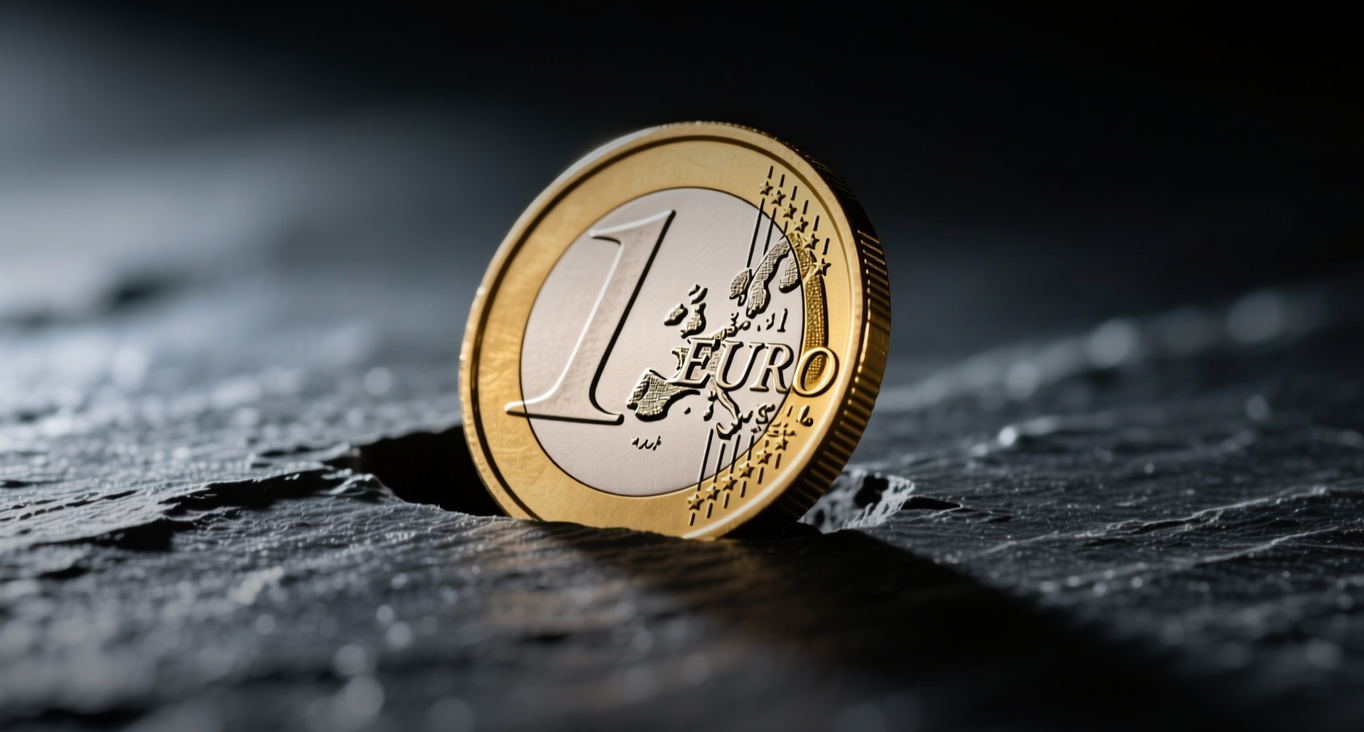
The European Central Bank raised its deposit rate by 25 basis points to 2.40% on June 11, its first increase since 2023, as an energy shock from the Middle East kept eurozone inflation above target.
"The energy price shock is still in the system. I suspect the inflation rate will stay significantly above our target," Joachim Nagel, president of Germany's Bundesbank, told CNBC at the ECB Forum on Central Banking in Sintra, Portugal.
Eurozone inflation hit 3.2% in May, driven by double-digit energy price growth, before easing to 2.8% in June — still above the ECB's 2% goal. Core inflation, which strips out volatile food and fuel, slipped to 2.4% from 2.6%, while energy prices rose 8.7% year-on-year, down from 10.8% in May. The euro slipped below $1.14 as traders pared bets on further tightening.
The rate increase marks a turning point after the ECB cut borrowing costs from a record 4% to 2% between June 2024 and June 2025. With oil prices falling since the US and Iran agreed to end hostilities, markets now price a pause at the July meeting. But Nagel warned that even a reopening of the Strait of Hormuz would not deliver immediate relief, leaving the ECB's next move dependent on whether the ceasefire holds.
The decision was not unanimous. ECB President Christine Lagarde defended the increase at the Sintra forum, saying policymakers could now return to using interest rates as their main tool after years of extraordinary shocks. "We no longer need to reach for unconventional instruments," she said, adding that the ECB could make "measured adjustments to rates" depending on the shocks facing the economy.
Lagarde pointed to stronger banking regulation, improved fiscal frameworks and investment in low-carbon energy as reasons Europe had absorbed recent disruptions — including the collapse of Silicon Valley Bank, US tariffs and the oil supply shock — without broader financial instability. That resilience, she said, gives the ECB more time to assess whether price pressures are becoming persistent before changing rates again.
The US and Iran agreed to end their war, with talks scheduled in Doha, Qatar, after renewed hostilities over the weekend tested a fragile ceasefire. The conflict had triggered a blockade of the Strait of Hormuz, one of the world's most important oil shipping routes, sending energy prices surging.
Oil prices have fallen sharply since the peace deal was announced, reducing expectations for further inflation spikes. Economists now expect eurozone inflation to slow further in the coming months, with some forecasters predicting the ECB will hold rates at the July meeting rather than deliver another increase.
Joe Nellis, economic adviser at the accountancy and advisory firm MHA, said June's inflation figures showed two forces pulling in opposite directions. "Put simply, the eurozone economy is not generating enough momentum to drive prices higher at any great pace," he said. Wage growth has hovered around 3%, energy markets are settling down, and the truce has lowered the risk of another oil shock. Nellis said one more hike this year, to 2.5%, is possible, though anything more aggressive looks unlikely while the economy stays soft.
The last time the ECB faced a comparable energy-driven inflation cycle was in 2022, following Russia's invasion of Ukraine, when eurozone inflation peaked at 10.6% in October of that year. The central bank responded with a series of rate increases that took the deposit rate to a record 4% by September 2023. The current cycle, while milder in magnitude, has revived the same policy dilemma: how to contain supply-driven price pressures without crushing an already fragile economy.
Across the eurozone, the inflation picture varied widely in June. Germany's harmonized rate fell to 2.4% from 2.7%, while France saw a sharper drop to 2.0% from 2.8%. Italy was the outlier at 3.1%, as regulated electricity and gas tariffs — which lag wholesale markets — continued to climb even as fuel prices at the pump began to ease.
The ECB's next rate decision is scheduled for July, with markets pricing a high probability of a hold. If the ceasefire holds and oil prices continue to fall, the case for further tightening weakens. If the deal collapses, Nagel's warning may prove prescient — and the ECB could be forced to act again.
This article is for informational purposes only and does not constitute investment advice.
