
Memory chip stocks suffered their worst single-day rout in 2026 as profit-taking and peak-cycle fears erased $24 billion in ETF value.
Memory chip stocks suffered their worst single-day rout in 2026 as profit-taking and peak-cycle fears erased $24 billion in ETF value.
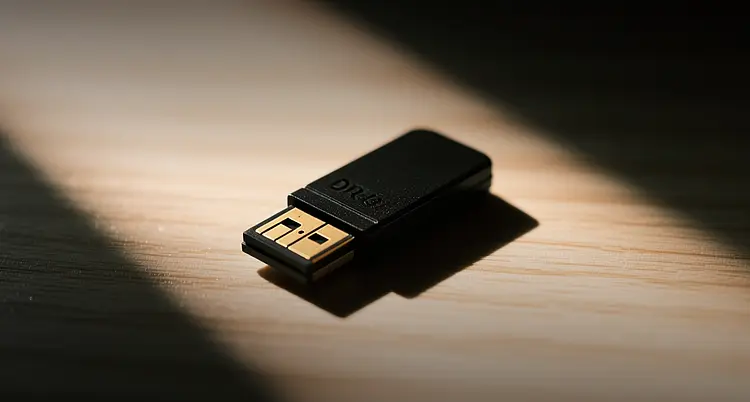
The Roundhill Memory ETF (DRAM) tumbled more than 8% in premarket trading Monday to $937, extending its decline to 25% from the year's high, as South Korea's SK Hynix suffered its worst single-day drop on record.
The selloff was triggered by profit-taking after SK Hynix's Nasdaq debut on Friday, followed by concerns that memory spending may be nearing its peak after a two-year AI-driven boom, according to market participants. Most memory stocks had more than doubled this year before the rout.
SK Hynix shares plunged 15% in Seoul, the steepest single-day decline in the company's history, while Samsung Electronics dropped 10%. In Japan, Kioxia Holdings fell 12%. US-listed memory stocks followed: Micron Technology slid 4% in premarket, SanDisk lost 4.6%, and Western Digital fell 4.7%. Seagate Technology declined 3.45%.
The selloff comes despite strong underlying fundamentals. Micron's revenue surged 300% to $40 billion in its latest quarter, with the company guiding for $50 billion in the fiscal fourth quarter. Samsung posted an operating profit of $58.5 billion on revenue of $112 billion. Consensus estimates show Micron's annual revenue reaching $129 billion, up 246% year over year, while SanDisk's is expected to hit $20 billion, a 168% increase. Western Digital's annual revenue is projected at $12.87 billion.
A $24 Billion ETF at the Center of the Storm
The Roundhill Memory ETF, launched in April, had grown to $24 billion in assets under management in just three months — one of the most successful ETF launches on record. Its composition explains the concentrated damage: Samsung accounts for 25.55% of the fund, Micron 24.8%, and SK Hynix 23.6%, together representing about 74% of holdings.
The fund's rapid growth reflected investor enthusiasm for the memory sector's AI tailwind. High-bandwidth memory (HBM), a specialized DRAM used in Nvidia's AI accelerators, has been a key growth driver for SK Hynix and Samsung, with HBM prices significantly higher than conventional DRAM. The US contributed about 65% of SK Hynix's revenue in the recent quarter, highlighting the sector's dependence on AI infrastructure spending by American hyperscalers such as Microsoft, Amazon, and Google.
The memory industry's structure has shifted dramatically over the past two years. DRAM pricing, which had been in a cyclical downturn through much of 2023, reversed sharply as AI server demand created a new category of premium memory products. HBM3 and the upcoming HBM4 generations require advanced packaging techniques like TSMC's CoWoS, creating a supply chain bottleneck that has kept prices elevated. SK Hynix, the market leader in HBM, has been the primary beneficiary, with its HBM revenue growing faster than its conventional DRAM business.
Technicals Signal Further Downside
The ETF's four-hour chart shows a head-and-shoulders pattern, a bearish reversal formation. It has broken below the neckline and the 50-period moving average. The next support sits at $50, with a break below that opening the door to $45.
The technical breakdown mirrors the pattern seen in other AI-adjacent assets that have corrected after extended rallies. The DRAM ETF's 25% decline from its peak is the largest drawdown since its April launch, raising questions about whether the memory cycle is turning ahead of expectations.
For investors, the question is whether this is a buying opportunity or the start of a deeper correction. Memory fundamentals remain strong — margins are expanding as memory prices rise across major markets. But the technical breakdown and synchronized nature of the selloff suggest the market is repricing the memory cycle's duration. A bounce off the $50 support level would confirm the overreaction thesis; a break below would signal that peak-cycle fears are justified. Micron shares, which trade at a premium to historical multiples on the back of AI-driven growth expectations, are the most exposed to a sustained downturn in memory pricing.
This article is for informational purposes only and does not constitute investment advice.