

Dell Technologies shares plunged 9.3% on June 25, joining a broad AI hardware rout triggered by memory-chip concerns and profit-taking after a 235% year-to-date rally.
Dell Technologies shares plunged 9.3% on June 25, joining a broad AI hardware rout triggered by memory-chip concerns and profit-taking after a 235% year-to-date rally.
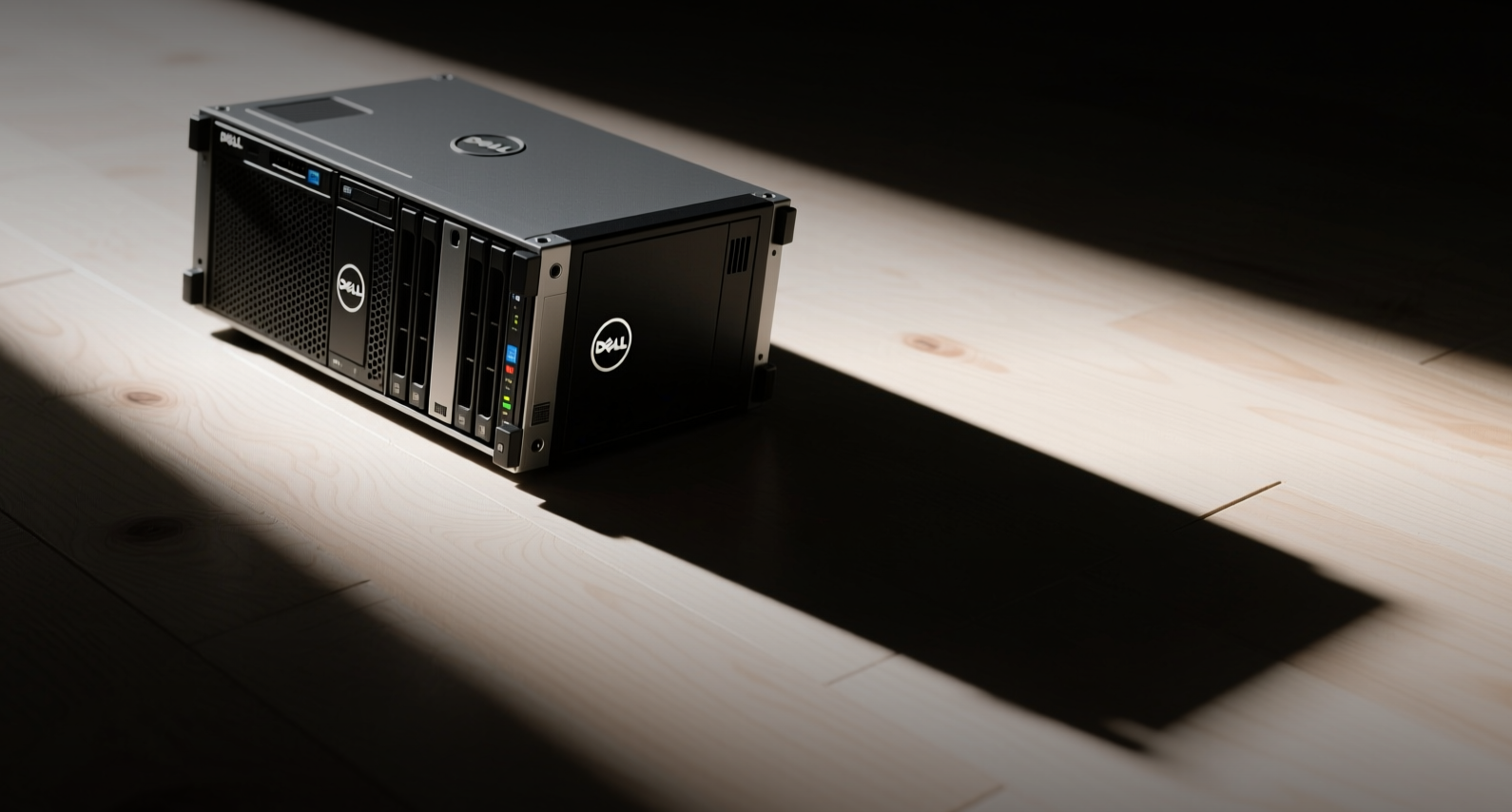
Dell Technologies shares fell 9.3% on Thursday, joining a broad selloff in AI hardware stocks after a report of slowing memory-chip expansion rattled the sector.
"The market is repricing AI infrastructure names after an extraordinary run, but the underlying demand story remains intact," said Matt Bryson, senior equity analyst at Wedbush Securities.
The drop erased billions in market value from the server maker, which had surged 235% this year through Wednesday's close. Dell's infrastructure solutions group revenue jumped 181% in its fiscal first quarter, driven by AI-optimized server sales that pushed total revenue up 88% to $43.8 billion. The broader selloff hit memory-chip makers hardest — Micron Technology fell 11% — while Nvidia declined a relatively modest 3.6%, confirming the pressure was concentrated in hardware names exposed to memory supply chains.
The selloff coincided with traders pricing 50 basis points of Federal Reserve rate hikes by December under new Chair Kevin Warsh, making debt-funded data center expansion more expensive to justify at current valuations. The U.S. 10-year Treasury yield rose as the rate-hike expectations repriced, adding pressure on high-growth tech names. Dell trades at roughly 2 times sales, a discount to the broader tech sector, and reports fiscal second-quarter results in late August with analysts projecting continued AI server momentum.
The trigger was a report that SK Hynix is slowing its high-bandwidth memory expansion, a headline that raised fears of cooling AI demand. Korean analysts pegged the margin gap between HBM and conventional DRAM at more than 15 percentage points, suggesting the move was about optimizing profitability rather than a demand signal. All three major memory makers are running the market tight — Samsung flagged a 146% jump in DRAM average selling prices in the first quarter, while SK Hynix reported mid-60% ASP growth.
The divergence within the chip complex told the real story. Memory-heavy names bore the brunt of the selling, while logic-focused Nvidia fell only 3.6%. Wedbush framed the broader decline as a buying opportunity, noting that enterprise AI demand remains intact and that the selloff was driven by positioning rather than fundamentals.
For Dell, the pullback comes after a parabolic run that saw the stock gain more than 3-fold in six months as the company emerged as a primary beneficiary of enterprise AI server deployment. The company's order backlog for AI-optimized systems continues to grow, and its partnership with Nvidia positions it to capture a significant share of the corporate AI infrastructure build-out. At 2 times sales, Dell trades at a fraction of the Nasdaq Composite's 5.3 times sales multiple, leaving room for multiple expansion if the market rewards its accelerating revenue growth.
This article is for informational purposes only and does not constitute investment advice.
