
Beijing is turning to emerging industries as the next engine of growth, shifting away from property-led development.
Beijing is turning to emerging industries as the next engine of growth, shifting away from property-led development.
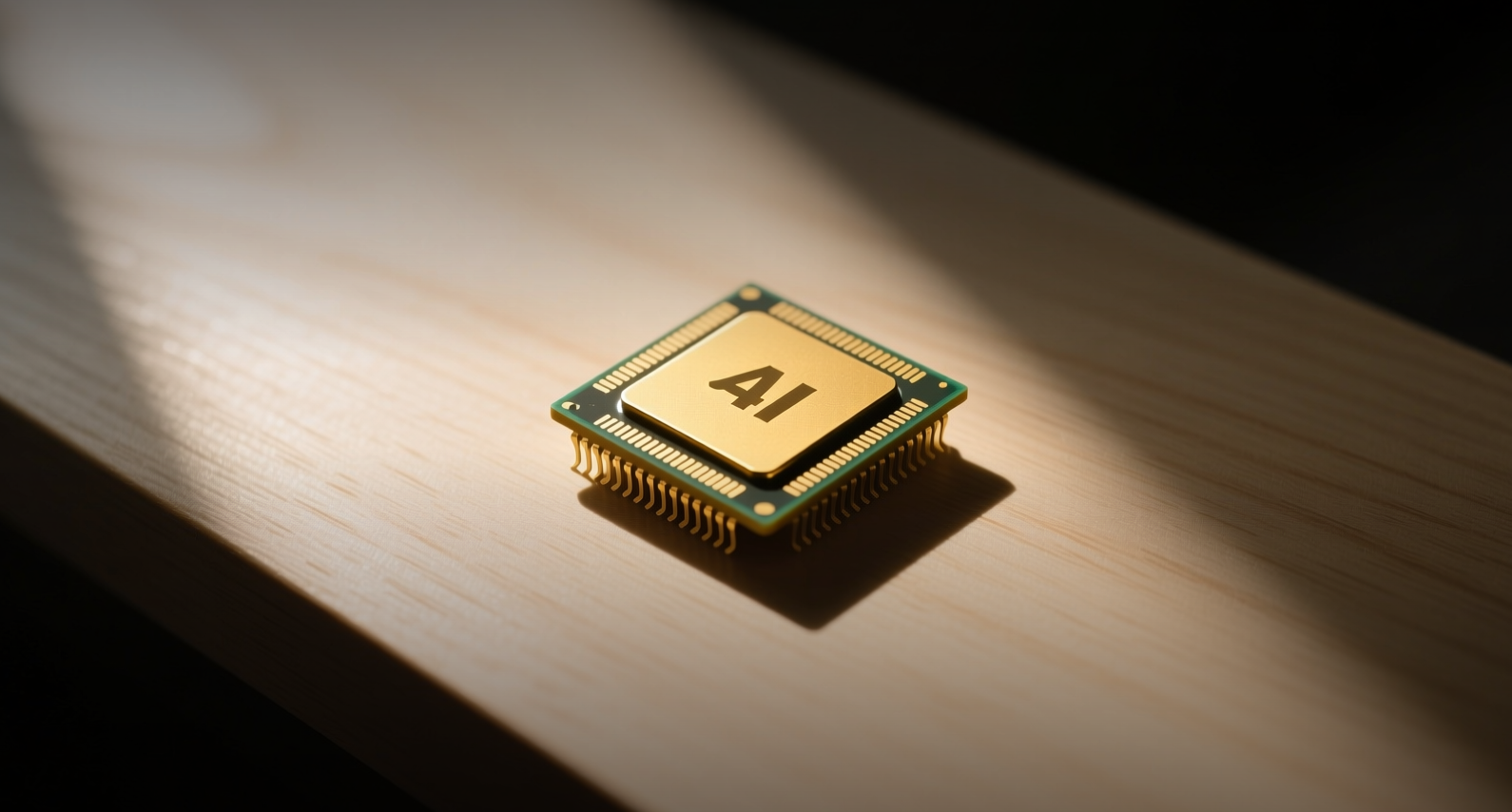
China's State Council on Wednesday directed ministries to accelerate the cultivation of emerging pillar industries, a policy pivot toward technology and advanced manufacturing as the economy's primary growth drivers.
The meeting, chaired by Premier Li Qiang, called for "coordinated efforts" to identify and support sectors with the potential to become pillar industries, according to an official readout from the State Council.
The directive targets industries including new energy, artificial intelligence, semiconductors and high-end manufacturing, the readout showed. The State Council did not disclose specific investment targets or timelines, saying only that detailed implementation plans would follow from relevant ministries. The meeting marks the first time the State Council has explicitly used the term "emerging pillar industries" in an executive meeting readout, indicating a more targeted approach than previous broad-based industrial policy statements.
The policy shift has implications for global investors. China's emerging-industry push could redirect hundreds of billions of yuan in state-directed credit and fiscal resources toward technology sectors, reshaping supply chains and competitive dynamics from Shenzhen to Shanghai. For multinational companies operating in China, the directive means Beijing will prioritize domestic champions in strategic sectors, potentially tightening competition for foreign firms in areas such as AI chips and EV components.
The directive builds on existing industrial policy frameworks, including the "new quality productive forces" concept introduced by President Xi Jinping in 2024. Unlike previous stimulus rounds that targeted property and infrastructure, this initiative focuses on sectors where China already holds competitive advantages — electric vehicles, solar manufacturing and battery supply chains — while pushing into frontier areas such as humanoid robotics and quantum computing. The shift reflects a strategic calculation: property, which once accounted for roughly a quarter of GDP, has been a drag on growth for three consecutive years, while high-tech manufacturing output has expanded at double-digit rates, according to the National Bureau of Statistics. The contrast underscores why Beijing is accelerating the transition: emerging industries now contribute more to GDP growth than real estate for the first time since records began.
The government is expected to deploy a mix of fiscal incentives, state-bank lending and procurement preferences to accelerate development. The People's Bank of China may also channel cheap funding through its relending and rediscounting facilities to designated emerging sectors, similar to the quotas it established for technology innovation and carbon reduction in previous years. Local governments, particularly in technology hubs such as Shenzhen, Hefei and Beijing's Zhongguancun district, are likely to offer additional subsidies, land and tax breaks to attract investment in designated sectors. The last time Beijing issued a similar high-level directive on strategic emerging industries was in 2022, when it set a target for the sector to account for 15% of GDP by 2025 under the 14th Five-Year Plan. A-share technology and new-energy stocks have been among the best-performing sectors this year, as investors priced in expectations of sustained policy support.
Ministries are expected to submit detailed implementation plans within three months, including specific targets for output, employment and export growth in designated industries. The 15th Five-Year Plan, covering 2026 through 2030, is expected to formalize these priorities with binding targets for R&D spending as a share of GDP and the share of emerging industries in total industrial output. For global investors, the key question is whether this policy push translates into sustainable earnings growth for A-share technology companies or simply adds to overcapacity in sectors such as solar and EV manufacturing. The answer will depend on how effectively Beijing balances industrial promotion with market discipline — a challenge that has eluded Chinese policymakers in previous rounds of industrial policy, where generous subsidies often led to excess capacity and margin compression.
The directive also carries geopolitical significance. China's push to dominate emerging industries comes as the United States and European Union ramp up their own industrial policies, including the Inflation Reduction Act and the European Chips Act. The competition for leadership in AI, semiconductors and clean energy has intensified, with each bloc seeking to reduce supply-chain dependence on rivals. Beijing's latest directive suggests it is doubling down on self-sufficiency in critical technologies, a strategy that could deepen trade tensions even as it strengthens China's position in global supply chains. For companies with exposure to both Chinese and Western markets, the growing divergence in industrial policy creates both opportunities and risks.
This article is for informational purposes only and does not constitute investment advice.