
Key Takeaways:
- Nearly 900 electric heavy trucks exported from Dongguan in a single batch, a domestic record
- Each electric truck saves about $70,000 per year in energy costs versus diesel
- Shipments span Asia-Pacific, South America, Africa and Europe
Key Takeaways:
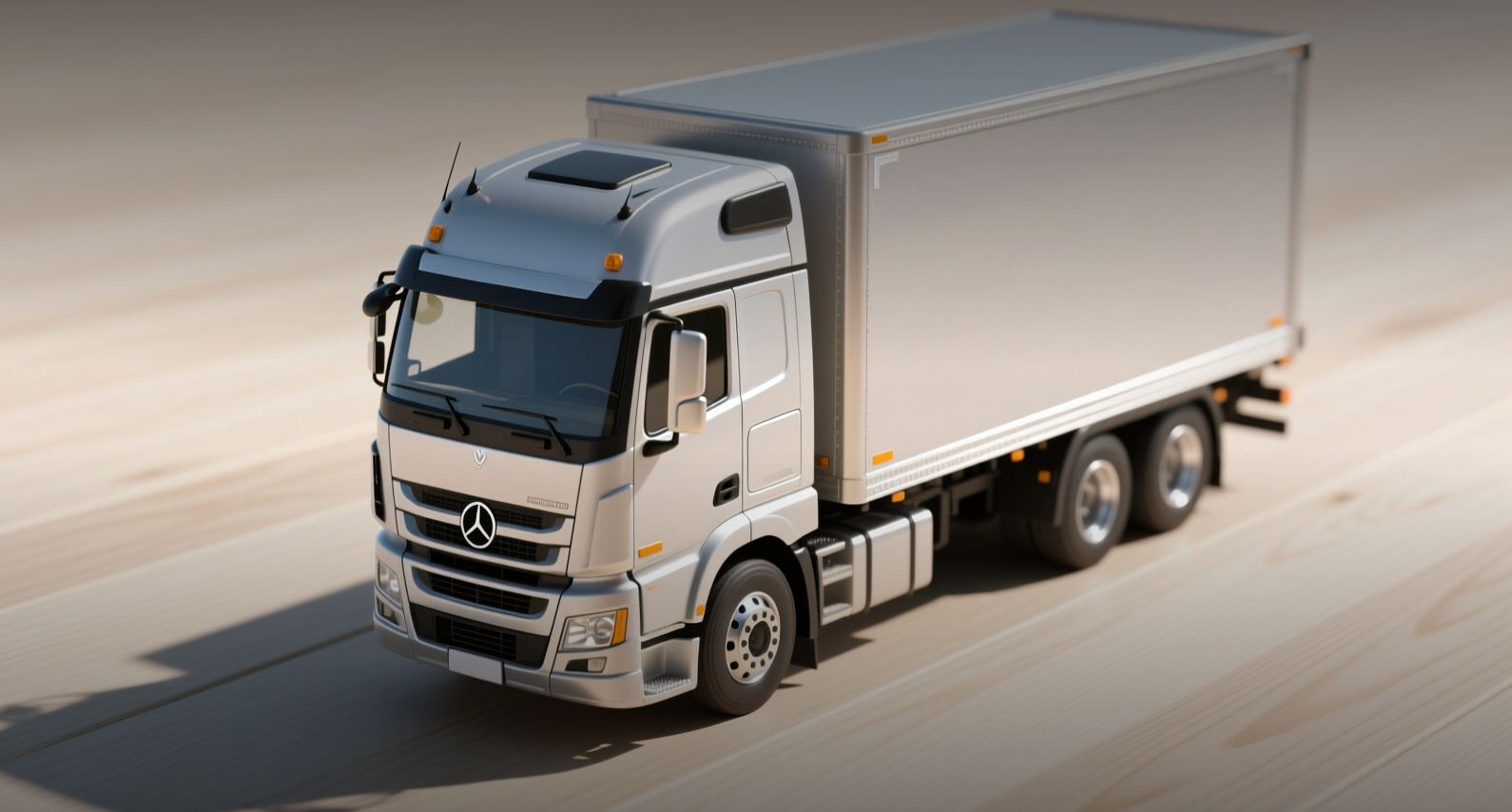
China's electric heavy truck exports are accelerating as a single batch of nearly 900 units from Dongguan Xinsha Port set a new domestic record, underscoring the country's growing dominance in the global clean-energy commercial vehicle market.
The shipment of electric tractors — the largest single-batch export of its kind from China — highlights a cost advantage that is reshaping purchasing decisions from Asia-Pacific to South America. Each electric heavy truck saves roughly $215 per day in energy costs compared with a diesel equivalent, or about $70,000 annually, meaning operators can recoup the vehicle's purchase price in roughly two years, according to CCTV Finance.
"Chinese electric trucks are becoming a globally recognized hardcore nameplate," the state broadcaster reported, citing the widening adoption across emerging and developed markets alike.
The economics are particularly compelling against the backdrop of surging diesel prices. Russia's decision to ban diesel exports this month sent US diesel futures up 11% to $154 a barrel and pushed European gasoil premiums to a record $60.77 above Brent, according to Reuters. For fleet operators in Brazil, Turkey, and Southeast Asia — markets that previously relied on Russian diesel — the case for switching to electric trucks has strengthened considerably.
Cost Advantage vs. Incumbent Diesel Fleets
The $70,000 annual fuel saving per truck is calculated against prevailing diesel prices and assumes average daily mileage for heavy-duty trucks. That payback period of about two years compares favorably with the typical five-to-seven-year ownership cycle for Class 8 trucks, making the total cost of ownership argument increasingly difficult for diesel incumbents to defend.
Chinese manufacturers including SANY Group, Sinotruk (CNHTC), and FAW Jiefang have been expanding their electric truck lineups, targeting markets where fuel costs represent the largest operating expense. The segment remains small relative to China's overall heavy truck production — roughly 1.1 million units in 2025 — but export growth has accelerated as battery costs fall and charging infrastructure improves in destination markets.
Tesla's Semi, which began volume production in late 2025, represents the primary Western competitor in the electric heavy truck space, though its $250,000 base price positions it above most Chinese models. Daimler Truck's eActros and Volvo Trucks' electric lineup also compete in Europe, where Chinese brands face higher tariff barriers.
Global Reach and Market Implications
The Dongguan shipment covered multiple regions including Southeast Asia, South America, Africa, and Europe, reflecting the broad geographic demand for Chinese electric commercial vehicles. Brazil, a major Russian diesel buyer before the Ukraine war, has emerged as a key market for Chinese electric trucks, while African nations with limited refining capacity see them as a way to reduce fuel import bills.
The export record comes as China's new energy vehicle industry faces intensifying trade scrutiny. The European Union imposed additional tariffs of up to 38% on Chinese-made electric cars in late 2025, though heavy trucks have so far avoided similar measures. The US maintains a 25% tariff on Chinese commercial vehicles under Section 301, effectively blocking the world's largest truck market for now.
For investors, the accelerating export trajectory signals growing revenue diversification for Chinese heavy truck makers beyond the domestic market, where a price war has compressed margins. SANY Heavy Truck, a subsidiary of SANY Heavy Industry, reported a 67% jump in new energy truck sales in the first half of 2026, while Sinotruk's electric vehicle exports more than doubled year over year. The question is whether overseas margins can hold above domestic levels as competition intensifies and trade barriers potentially widen.
This article is for informational purposes only and does not constitute investment advice.