
China's June imports surged 29.4% year-on-year, accelerating sharply as semiconductor purchases for AI infrastructure drove the strongest inbound trade reading in months.
China's June imports surged 29.4% year-on-year, accelerating sharply as semiconductor purchases for AI infrastructure drove the strongest inbound trade reading in months.
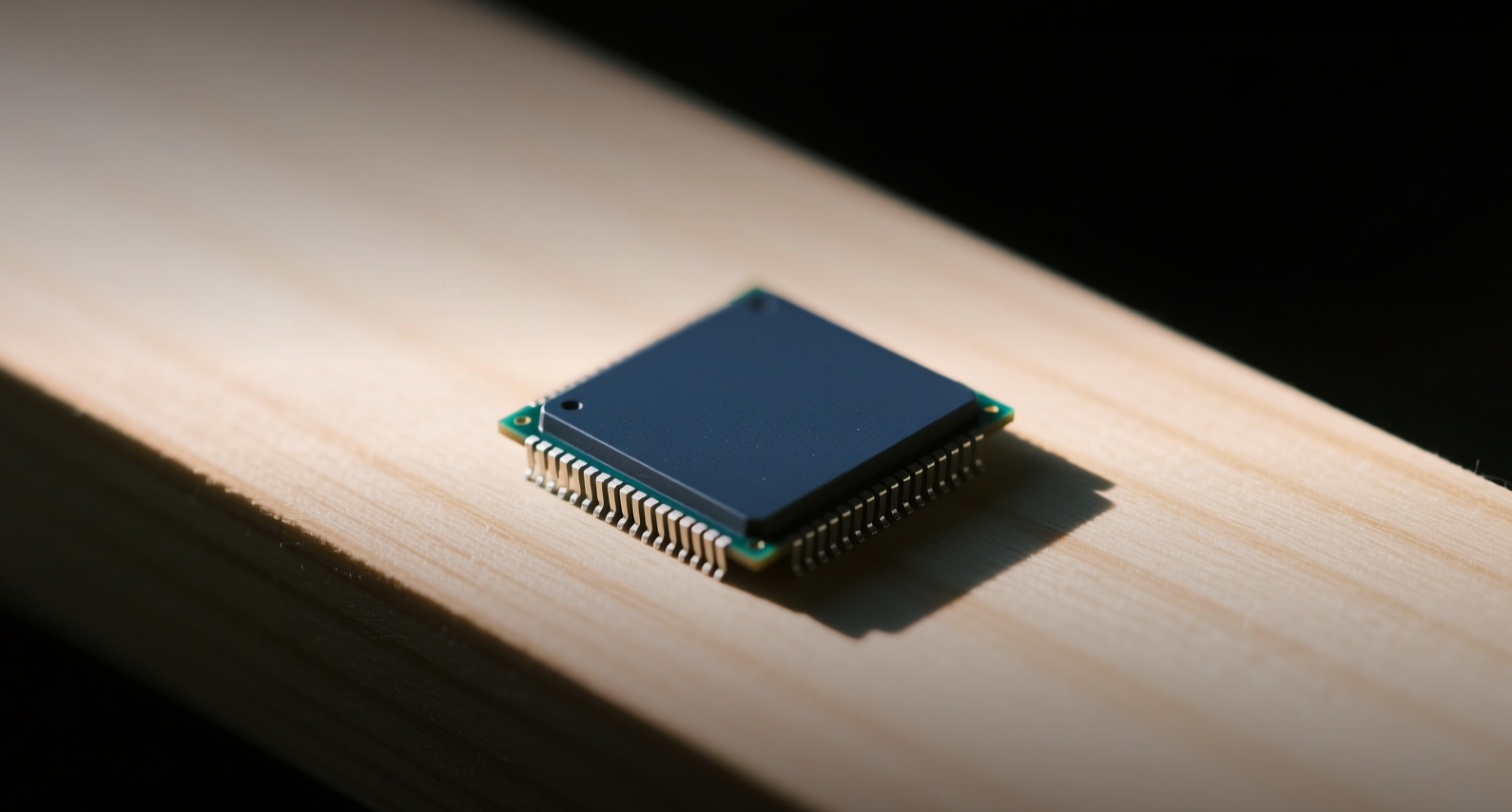
China's June imports rose 29.4% from a year earlier, accelerating from 21.5% in May and beating the 24% consensus forecast in a Reuters poll, as semiconductor purchases for AI infrastructure powered inbound trade. The reading marks the fastest import growth since early 2025 and shows the extent to which technology supply chains are driving China's trade performance.
"The import strength is concentrated in technology components rather than consumer goods, reflecting China's AI buildout rather than a broad-based demand recovery," economists at BNP Paribas said. The bank had forecast a 20% rise in exports for the month, citing sustained momentum in tech supply chains.
Exports grew an estimated 18.2% in June, cooling from 19.4% in May, as US retailers front-loaded orders by four to six weeks ahead of potential tariff hikes later this year. The trade surplus widened to $120.6 billion from $105.43 billion in May. Automated data processing equipment exports jumped 60% in May, while traditional goods like furniture grew just 1.9%, highlighting the stark divergence between tech-driven and conventional trade.
The data shows a diverging two-speed trade picture: AI and semiconductor demand is surging, but broader domestic consumption remains sluggish. With the property downturn persisting and factory-gate prices still falling — producer prices have declined for 20 consecutive months — China's growth increasingly depends on external demand, leaving it exposed to any softening in global markets or escalation of trade tensions with the US.
AI Investment Reshapes Trade Flows
Chinese companies expect domestic AI chips to account for 46% of their AI hardware budgets over the next 12 months, up from about 30% today, according to a Bloomberg survey of 60 executives across software, finance, manufacturing and retail sectors. Nearly 80% of respondents said AI infrastructure projects are running over budget, pushing firms toward readily available local alternatives over imported hardware from companies such as Advanced Micro Devices and Nvidia.
Chinese enterprises are expected to invest roughly $294 billion in domestic data center projects over the next five years, the survey showed. That shift is benefiting domestic chipmakers including Huawei, Hygon and Cambricon, while posing a growing challenge for US semiconductor exporters. AI startup Z.ai, formerly known as Zhipu, is reportedly exploring development of its own custom AI chips as demand for its language models accelerates.
The global AI investment boom is providing a critical buffer for China's $20 trillion economy, helping manufacturers withstand pressures from Middle East conflict-related disruptions and a prolonged property downturn. The European Central Bank noted in its June policy account that the AI-related investment boom constituted "a positive global demand shock" cushioning the adverse growth effects of the energy shock from the Strait of Hormuz disruption.
However, factory-gate prices continued to fall in June as companies cut prices to win business from overseas customers squeezed by higher energy costs linked to the Iran conflict. South Korea's export data — a proxy for Chinese import demand — confirmed that inbound shipments were driven by semiconductors and electronic components rather than a wider recovery in domestic consumption.
What's at Stake for Markets and Policy
China's second-quarter GDP reading, due Wednesday, will test whether the trade-driven momentum can offset persistent domestic weakness. The government has set a growth target of between 4.5% and 5% for 2026. With exports helping China outperform expectations in the first quarter, the economy has since lost steam, reinforcing concerns that sluggish domestic demand leaves growth increasingly exposed to any softening in external markets.
The divergence between AI-powered exports and a struggling property sector means policy support may need to shift toward boosting domestic consumption. Any escalation in US-China trade tensions — following President Donald Trump's May visit to Beijing that failed to deliver breakthroughs — could further complicate the outlook for the second half of 2026.
For global investors, the data reinforces the case for selective exposure to China's tech supply chain while remaining cautious on domestic-demand sectors. The CSI 300 and Hang Seng Index have both drawn support from AI-related stocks this year, but the broader market remains constrained by the property drag and deflationary pressures in consumer-facing industries.
This article is for informational purposes only and does not constitute investment advice.