
Illinois is spending $500 million to build a quantum computing campus on a former steel mill site, betting the technology can reverse decades of economic underperformance.
Illinois is spending $500 million to build a quantum computing campus on a former steel mill site, betting the technology can reverse decades of economic underperformance.
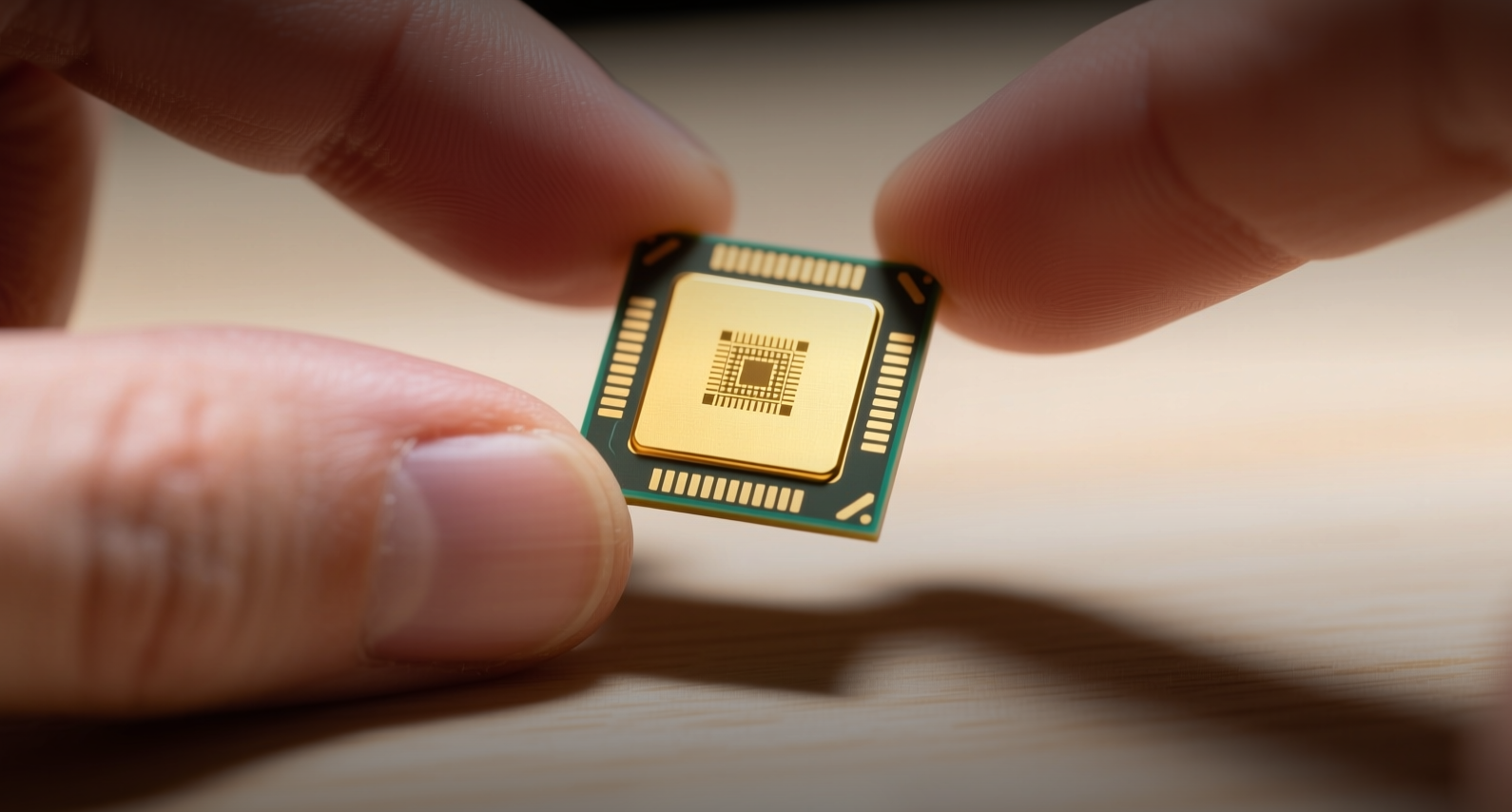
Illinois is spending $500 million to build a quantum computing campus on a former steel mill site, betting the technology can reverse decades of economic underperformance.
Construction of the Illinois Quantum and Microelectronics Park is underway on Chicago's South Side, backed by $500 million in state funding, as Illinois races to capture a share of the quantum computing industry that JPMorgan estimates will attract $5.5 trillion in AI capital expenditure through 2030.
"We need to be in industries that are growing much faster than manufacturing and agriculture," Illinois Governor JB Pritzker, who proposed the park and secured the state funding, said in an interview. "Now we are."
PsiQuantum plans to install one of the world's largest quantum computers at the site, with components arriving this summer, while IBM has committed to placing a quantum system alongside a research team and consulting business that it said would employ 750 people by 2030. Companies have pledged roughly $5 billion in total investments and about 1,000 permanent jobs at the park, according to Harley Johnson, the project's CEO and a University of Illinois engineering professor. The park draws on quantum-physics expertise from the University of Chicago, the University of Illinois at Urbana-Champaign, Argonne National Laboratory and Fermilab — institutions that have spent more than a decade building the region's quantum ecosystem.
The Chicago area largely missed the digital revolution that enriched Silicon Valley and Seattle. Illinois' real gross domestic product grew just 8.2 percent from 2019 through 2025, ranking 46th among states, compared with 17.7 percent nationally. The quantum park represents a bid to retain home-grown tech talent that has historically migrated to the coasts, Johnson said. PsiQuantum expects to begin testing its Chicago computer early next year, with commercial-scale operations targeted by the end of the decade.
The 440-acre site, once part of a U.S. Steel mill that employed tens of thousands of workers, sits in a neighborhood that never recovered from the mill's closure in the 1980s and 1990s. Jorge Perez, who runs Chico's Oven bakery a few blocks away, has started selling "quantum donuts" in anticipation of future business. "I told my father, I think something is going to happen here, it's coming," Perez said. "And it just took 32 years for it to happen."
Chicago's community-college system is preparing an apprenticeship program to supply technicians and skilled laborers to companies at the park, Johnson said. Roles will range from Ph.D.-level scientists to maintenance workers, with several thousand jobs expected on-site within five to 10 years.
The quantum park arrives as Illinois faces a separate test of its ability to attract technology infrastructure. Governor Pritzker paused new data center tax incentives effective July 1, responding to rising electricity bills. The state's 2021 Climate and Equitable Jobs Act targets net-zero emissions by 2045, putting roughly 11 gigawatts of conventional power generation — about a quarter of total capacity — on track for retirement while pushing electrification and 1 million electric vehicles by 2030.
Illinois residential electricity prices rose 20.1 percent from 2023 to March 2026, compared with a 16 percent national average, according to an analysis published in the Chicago Tribune. PJM Interconnection, the grid operator for northern Illinois, now projects summer peak demand to grow 3.9 percent annually over the next decade, more than double last year's 1.6 percent forecast.
The state's data center incentive program, which provided a sales tax exemption for investments of at least $250 million and 20 jobs, generated $1.85 billion in state and local tax revenue in 2023 against $983 million in tax benefits for 27 approved applications, according to the state's latest program report. Meta's DeKalb data center site generated a $31.1 million property tax bill in 2025, mostly benefiting the local school district.
For investors, the quantum park represents a long-duration bet on a technology that remains years from commercial viability. PsiQuantum's chief scientific officer Pete Shadbolt acknowledged that "nobody yet has the real dream machine that they want to make serious revenues." IBM, trading at roughly 22 times forward earnings, is committing significant resources to the site, while PsiQuantum remains privately held. The park's success hinges on whether quantum computing can transition from laboratory breakthroughs to commercial products — a timeline measured in years, not quarters.
This article is for informational purposes only and does not constitute investment advice.
