
Key Takeaways:
- Brick's monthly app downloads peaked at 103,632 in January 2026
- The $60 NFC-enabled cube blocks distracting apps until tapped by the phone
- Celebrity adopters include Conan O'Brien, Lorde and Mandy Moore
Key Takeaways:
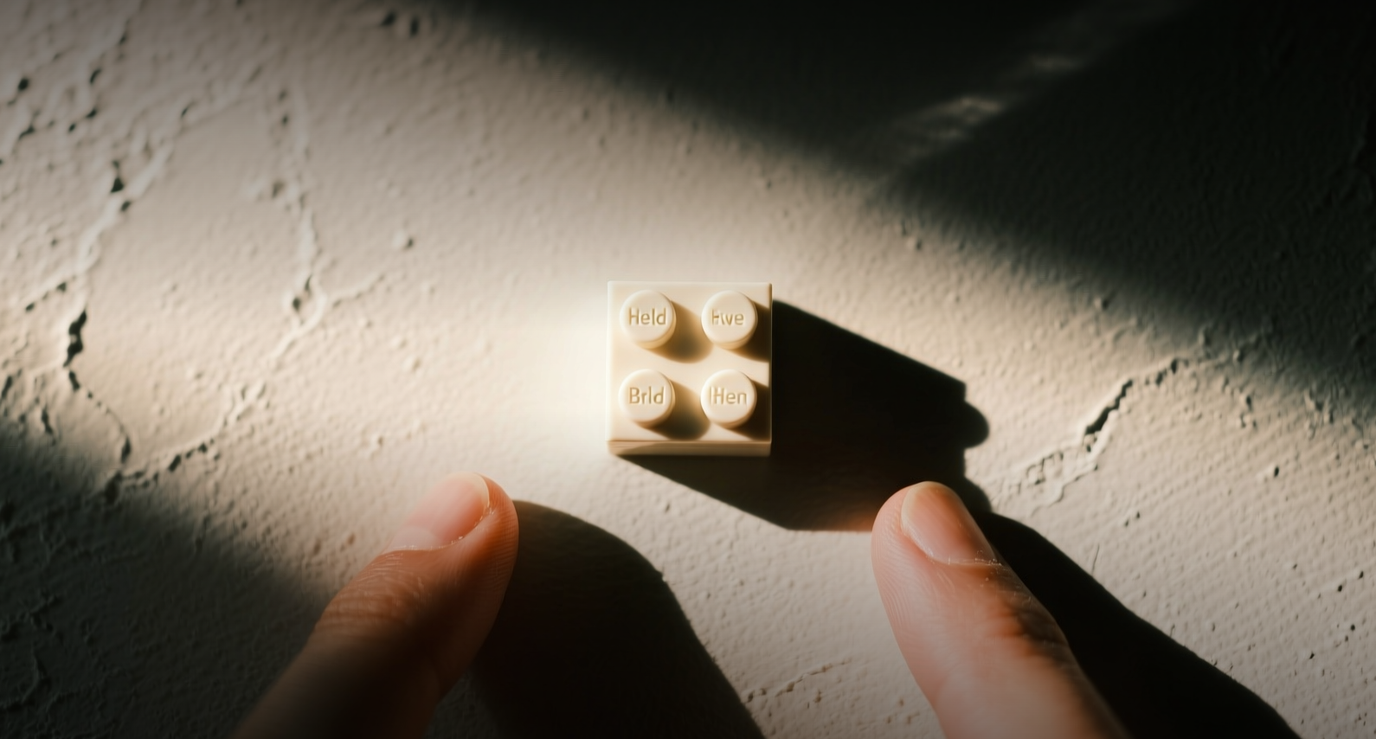
A $60 plastic cube that blocks distracting smartphone apps has become an unlikely status symbol among celebrities and professionals seeking to escape digital addiction.
Brick, a 2-inch plastic cube using NFC technology, generated more than 103,000 monthly app downloads at its January peak as consumers increasingly pay for tools to curb smartphone addiction.
"We love technology, we love building. We're engineers," co-founder TJ Driver, 26, said. "The technology that we love is oftentimes the thing getting in the way of us doing what matters in our lives."
The device, priced at $60, connects to a companion app that blocks distracting applications until the user taps their phone against the cube. Monthly downloads of the Brick app rose from about 14,000 in October 2025 to 33,710 in November, then jumped to 103,632 in January before settling at roughly 59,729 in May, according to Similarweb data.
Brick enters a crowded market of screen-time solutions — from Apple's built-in limits to app-based competitors like Bloom, Focus Friend and Forest — that collectively address what the founders describe as a design failure in modern technology: the same devices people rely on for work are engineered to maximize engagement, not productivity.
From Basement to Viral Sensation
Driver and co-founder Zach Nasgowitz, 27, have been friends since first grade in Milwaukee. After graduating from the University of Wisconsin-Madison, they tried launching several apps that never gained traction. "We kept running into the same problem: We were constantly distracted by our phones and wasting hours a day that we wanted to spend on more important things," Nasgowitz said.
In January 2023, they quit their software development jobs to build Brick out of Nasgowitz's parents' basement, handcrafting the first prototype from wood with help from his father. After dozens of 3D-printed iterations, they officially launched in September 2023. Three months later, Driver was at a Green Bay Packers game when Nasgowitz texted him that a social media post about their product had gone viral. They suddenly had 1,000 orders — a daunting fulfillment task for two people assembling, gluing and packaging Bricks by hand, producing at most 10 per day. They now outsource manufacturing to China.
Celebrity Adoption and the Status Signal
Lifestyle influencer Brett Chody, who said she previously averaged 10 to 12 hours of daily screen time, told the Wall Street Journal she reduced that to about six hours after using Brick. "I started getting to a point where I was like, 'I don't even want to be scrolling right now,' but I felt like I was just so addicted," she said.
The device has attracted a roster of celebrity users including Lorde, Bowen Yang, Mandy Moore and Conan O'Brien. On a May episode of his podcast, O'Brien said friends get frustrated by his delayed text responses when he is "Bricked." "They're so used to getting an immediate dopamine hit that they forget they're talking to someone who isn't walking around looking at their phone all the time," he said.
Users post screenshots of their Bricked phones on social media, broadcasting an out-of-office message of sorts or boasting about their unreachability — turning the device into a status symbol in an era of techlash.
The Limits of Hardware as a Solution
Not all users have found success. Some have taken to public forums to say the device did not meaningfully change their phone habits. The founders acknowledge the product is not about willpower. "It's about designing your environment so that you don't have to ask those questions," Driver said.
Brick competes with a range of alternatives at varying price points. Apple's Screen Time is built into every iPhone at no additional cost. Bloom requires a tap against a physical card to restore access. Focus Friend and Forest gamify phone-free periods. There are even miniature physical jails that lock the phone inside.
The founders declined to share sales data or total user figures. The company remains privately held with no disclosed outside funding.
This article is for informational purposes only and does not constitute investment advice.
