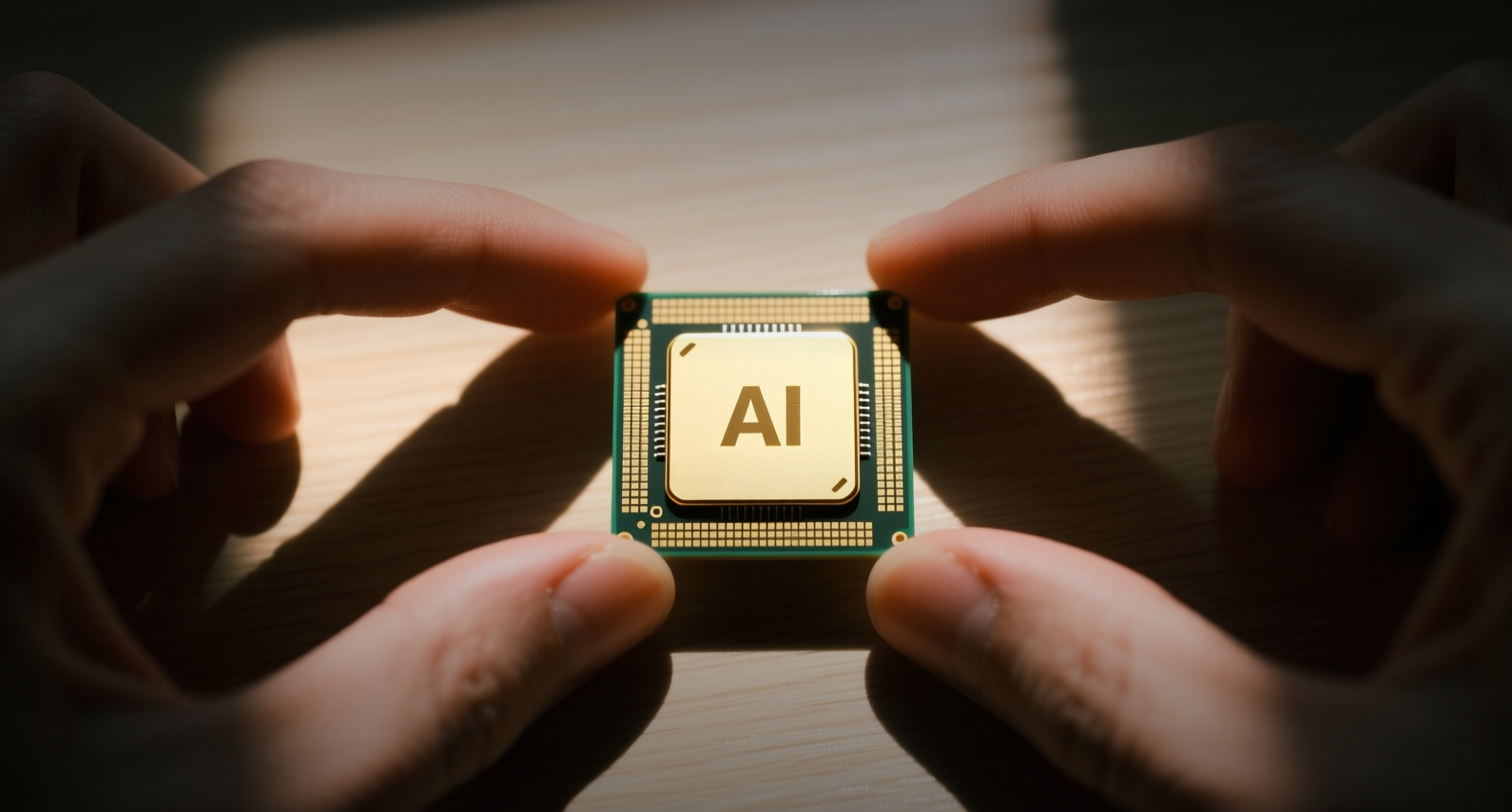
China's domestic AI ecosystem has crossed a critical mass threshold, with Beijing-based large models serving 2.05 billion cumulative registered users.
China's domestic AI ecosystem crossed a critical mass threshold as Beijing-based large language models accumulated 2.05 billion registered users and extended API services to nearly 50,000 institutions nationwide, the Beijing Municipal Government said Thursday at the 2026 Global Digital Economy Conference.
"This scale of adoption signals that China's domestic AI supply chain can now support enterprise-grade deployment at a national level," a government spokesperson said at the conference.
The 2.05 billion figure — cumulative across platforms operated by companies including Baidu Inc.'s ERNIE Bot, SenseTime Group Ltd. and iFlytek Co. — represents users who have registered with at least one Beijing-based model provider. The API service network now covers nearly 50,000 corporate and institutional clients, spanning industries from finance to manufacturing. Beijing is home to more than half of China's approved large language models, according to government filings.
The milestone highlights how deeply China's AI sector has penetrated the domestic market even as US export controls restrict access to advanced Nvidia Corp. semiconductors. For investors, the question is whether this user base can translate into sustainable revenue — a challenge that has eluded most Chinese AI companies, which have largely offered services at or below cost to capture market share.
The Scale of China's AI User Base
The 2.05 billion cumulative registered user count — while inflated by multiple registrations per individual across different platforms — nonetheless represents a step change from 2024, when total registered users across all Chinese AI models were estimated at roughly 300 million. The growth has been fueled by aggressive free-tier offerings, government procurement programs, and integration into consumer apps from Tencent Holdings Ltd. and Alibaba Group Holding Ltd.
Baidu's ERNIE Bot, the most widely deployed domestic model, has been integrated into the company's search engine, cloud services and autonomous driving unit. SenseTime's SenseNova powers applications in healthcare imaging and smart city infrastructure, while iFlytek's Spark Model dominates the education and voice recognition verticals.
Revenue Challenge Remains
Despite the user growth, monetization remains nascent. Most Chinese AI companies charge a fraction of what US peers command for API access — typically 0.5 yuan to 2 yuan ($0.07 to $0.28) per million tokens, compared with roughly $2 to $15 per million tokens for OpenAI's GPT-4o and Anthropic's Claude 4. The pricing gap reflects both lower inference costs from domestic hardware and a strategic decision to prioritize adoption over near-term profit.
Baidu reported in its most recent quarterly filing that its AI Cloud revenue grew 18% year-over-year to 6.8 billion yuan ($940 million), but the company did not disclose how much of that came from ERNIE Bot API services. SenseTime, which has yet to post a profitable quarter since its 2021 IPO, reported 3.4 billion yuan in total revenue for fiscal 2025, with AI model services accounting for an undisclosed portion.
The competitive dynamics also differ sharply from the US market. While OpenAI, Google and Anthropic compete primarily on model quality, Chinese providers compete on price, government relationships and ecosystem integration. Alibaba's Tongyi Qianwen and ByteDance's Doubao have emerged as challengers to the Beijing-based incumbents, further compressing margins.
What Comes Next
The Beijing government's announcement comes as China's central government ramps up AI infrastructure spending. The National Development and Reform Commission has allocated an estimated 120 billion yuan ($16.6 billion) in fiscal 2026 for AI computing infrastructure, including subsidies for domestic chip procurement and data center construction. That spending directly benefits Beijing-based model providers, which rely on Huawei Technologies Co.'s Ascend 910B chips as a domestic alternative to Nvidia's H100.
For investors tracking Chinese AI stocks, the key inflection point will be whether any of the Beijing-based model providers can demonstrate positive unit economics at scale. Baidu trades at 11 times forward earnings, a discount to US AI peers, reflecting market skepticism about monetization. SenseTime shares have lost 68% from their 2021 IPO price. If the 2.05 billion user base begins converting to paid subscriptions at even a 2% rate, the revenue implications would be material — but no company has yet disclosed conversion metrics.
This article is for informational purposes only and does not constitute investment advice.