

Apple's first broad hardware price increase in years traces directly to an AI-driven memory chip shortage that has quadrupled component costs in three quarters.
Apple's first broad hardware price increase in years traces directly to an AI-driven memory chip shortage that has quadrupled component costs in three quarters.
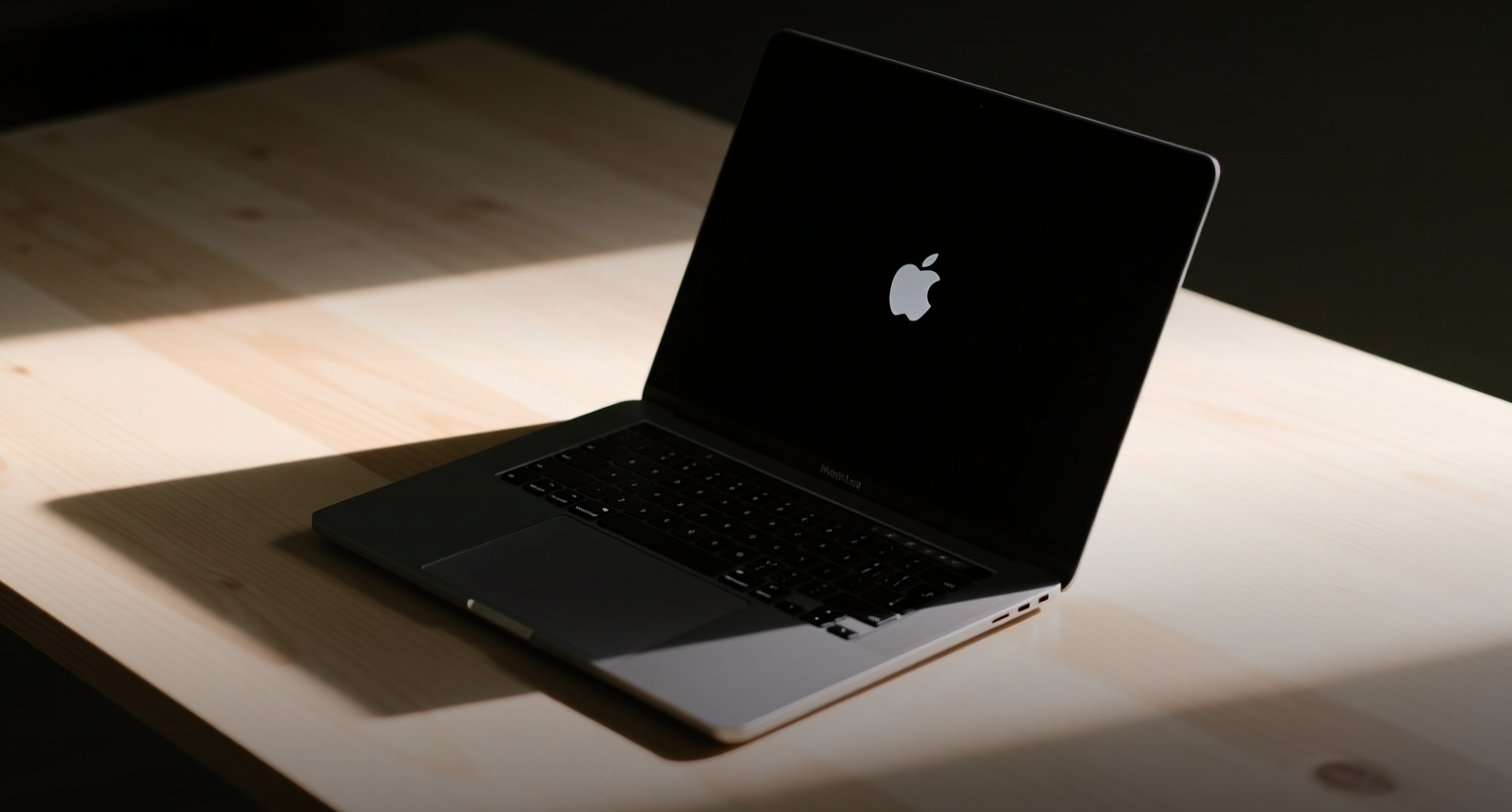
Apple raised prices on Mac and iPad models by as much as $500 Thursday, blaming an unprecedented surge in memory chip costs driven by AI data center demand that CEO Tim Cook called a "once-in-a-century flood."
"We've never seen a single component rise so much, so fast," Cook said in a statement. "We tried to shield customers, but the situation became unsustainable."
The 14-inch MacBook Pro now starts at $1,999, up $300 from $1,699. The MacBook Air rose 18% to $1,299, while the iPad Air jumped 25% to $749 — the steepest percentage increase across the lineup. The 16-inch MacBook Pro saw the largest absolute hike at $500, reaching $2,999. Apple also raised prices on the HomePod, Apple TV, and Vision Pro, though it left iPhone, Apple Watch, and AirPods unchanged.
The price increases test Apple's pricing power at a time when consumers face broader inflation pressure. Apple shares fell 1.2% in pre-market trading to $289. The move also lands just months before a leadership transition: hardware engineering chief John Ternus is set to succeed Cook as chief executive officer on Sept. 1.
AI Data Centers Drove Memory Prices Up 4x in Three Quarters
The root cause traces to an explosion in demand for high-bandwidth memory used in AI servers. Memory and storage prices have quadrupled over the past three quarters as suppliers shifted production capacity to HBM for Nvidia and AMD accelerators, according to Counterpoint Research. Micron Technology, a major memory supplier, posted a fourfold revenue increase last quarter, with gross margins surging to 84.9% from 39% a year earlier — exceeding even Nvidia's margin.
Counterpoint research director Tarun Pathak estimated the higher component costs could add about $200 to the bill of materials for each iPhone, and projected Apple would raise prices across its product line by $150 to $200, with higher-memory configurations hit hardest.
iPhone Exemption May Not Last
Apple explicitly excluded the iPhone from this round of increases, saying the device faces less memory supply pressure. But analysts expect that reprieve to be temporary. IDC forecast Apple's average selling price will rise 12% this year, partly driven by the expected launch of a foldable iPhone that could exceed $2,000.
The research firm also noted that about 54% of iPhones shipped since 2022 lack the memory capacity to support the full Apple Intelligence experience, giving Apple a narrative to push higher-memory configurations at premium prices. All new iPhone models are expected to ship with at least 12 gigabytes of memory, up from 8 gigabytes in current models.
Apple shares trade at about 28 times forward earnings. The price hikes could support margins if demand holds, but risk volume erosion if consumers balk. Memory suppliers Micron, Samsung, and SK Hynix stand to benefit from sustained pricing power as AI infrastructure buildout continues to consume available capacity. Apple said it is "working tirelessly" on solutions but offered no timeline for when the shortage might ease.
This article is for informational purposes only and does not constitute investment advice.
