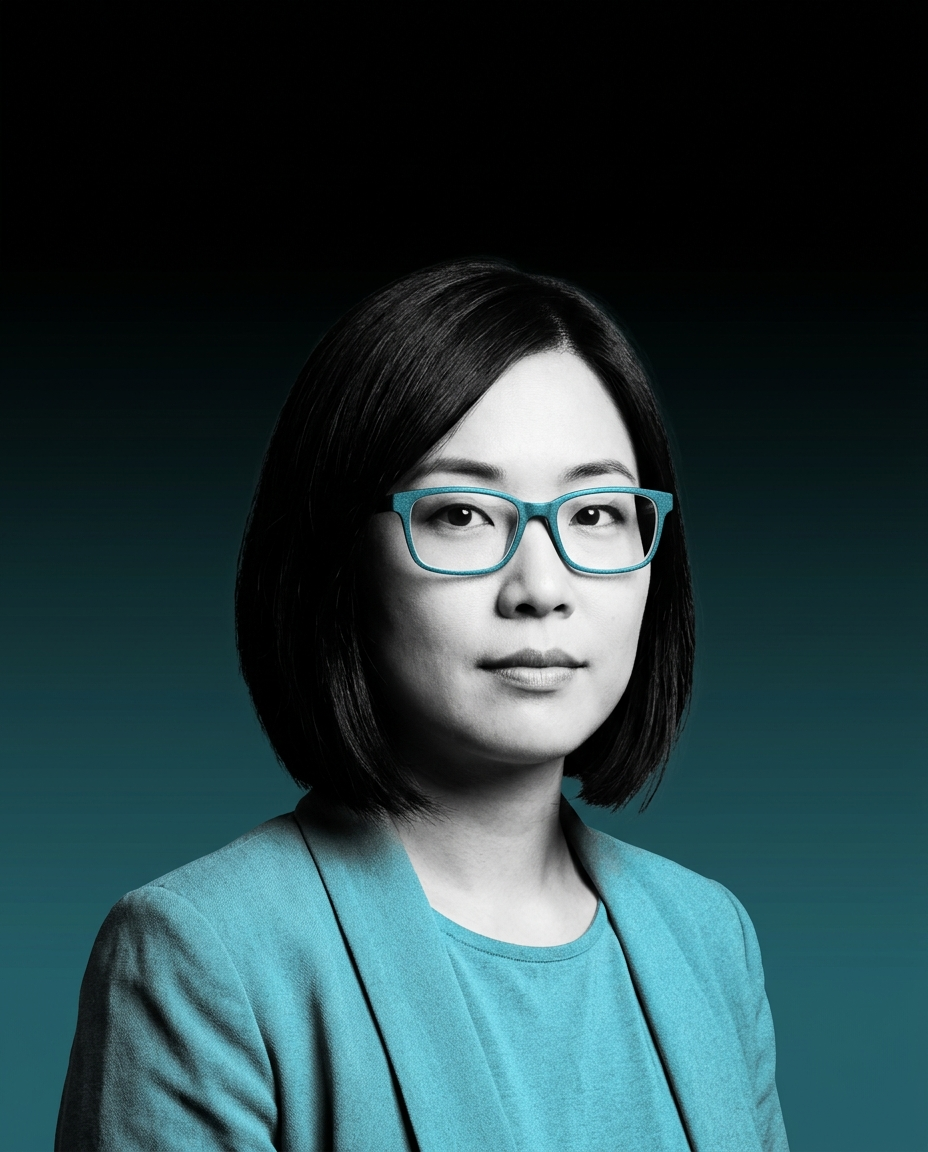

Key Takeaways: Apple's hardware brain drain to OpenAI deepens as the Vision Pro chief departs for a rival building the next generation of AI-powered devices.
Key Takeaways: Apple's hardware brain drain to OpenAI deepens as the Vision Pro chief departs for a rival building the next generation of AI-powered devices.
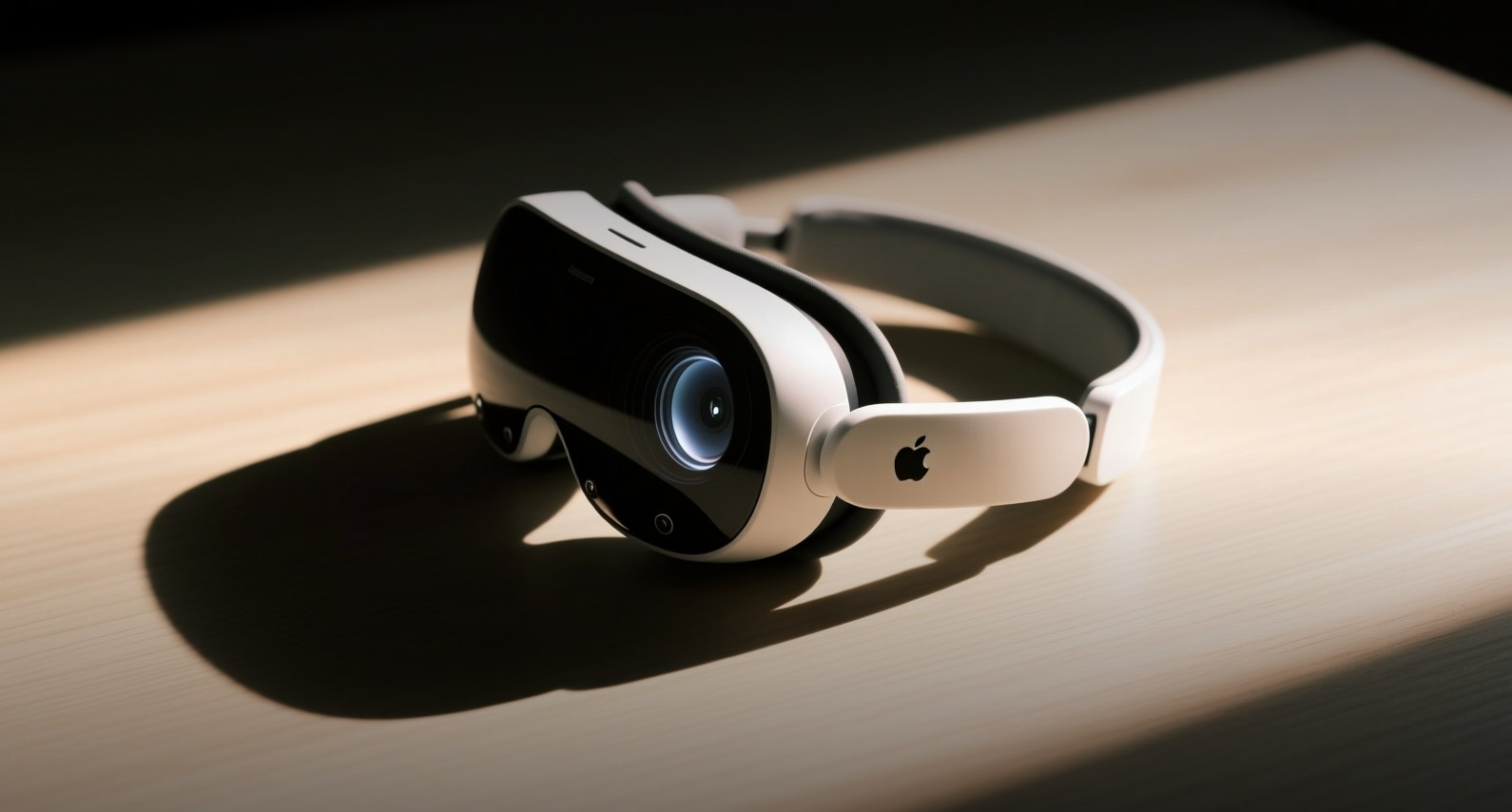
Apple Inc. is losing Paul Meade, the vice president overseeing the Vision Pro headset and smart glasses development, to OpenAI in a move that hands the AI startup a seasoned hardware leader and leaves a gap in Apple's spatial computing ambitions.
"Meade brings deep expertise in building complex consumer hardware at scale," a person familiar with OpenAI's plans said. "He will lead the development of a new family of AI-native devices."
Meade, who led Vision Pro hardware engineering for seven years, will exit Apple by next week, according to people with knowledge of the matter. His deputy, Fletcher Rothkopf, will take over day-to-day management of Apple's Vision Products Group. At OpenAI, Meade joins a hardware unit that last year absorbed the startup founded by former Apple design luminaries Jony Ive, Tang Tan and Evans Hankey for $6.5 billion.
The departure marks the latest in a string of high-profile exits from Apple's hardware ranks to OpenAI, which is assembling a team capable of designing and shipping physical products to complement its AI software. For Apple, the loss comes as it works to revive interest in the Vision Pro — a $3,499 device that has sold fewer than 500,000 units since its February 2024 launch — and races to bring display-free smart glasses to market as early as next year to compete with Meta Platforms Inc.
The executive move highlights the intensifying competition for hardware talent between Big Tech and AI companies racing to build the next computing platform. OpenAI, best known for ChatGPT, has signaled its ambition to become a hardware company, with Chief Executive Officer Sam Altman repeatedly hinting at a device that could replace the smartphone as the primary interface for AI. The company's hardware unit now includes more than 200 engineers, many recruited from Apple and Google, according to people familiar with the operation.
For Apple, Meade's exit creates uncertainty around its smart glasses program, which was seen as a potential successor to the Vision Pro's mixed-reality approach. The display-free glasses, designed to rival Meta's Ray-Ban smart glasses, were expected to ship in 2027. Meade had been the project's champion inside the company, and his departure could delay the timeline. Meta's Ray-Ban smart glasses, developed in partnership with EssilorLuxottica, have sold more than 2 million units since their October 2023 launch, according to IDC estimates.
The Vision Pro, Apple's first major new product category since the Apple Watch in 2015, has struggled to gain traction beyond early adopters. Apple shipped roughly 400,000 units in the device's first year, well below the 1 million target that some analysts had projected. The company has not disclosed a successor timeline, though supply chain reports suggest a lower-cost version with fewer cameras and a tethered battery pack could arrive in 2027.
Apple shares rose 2% on Friday to $280.79, paring earlier losses after the news broke. The stock trades at 28x forward earnings, below its five-year average of 32x, as investors weigh the company's ability to sustain hardware innovation during a period of executive turnover. OpenAI is not publicly traded, though secondary market transactions have valued the company at more than $300 billion.
This article is for informational purposes only and does not constitute investment advice.
