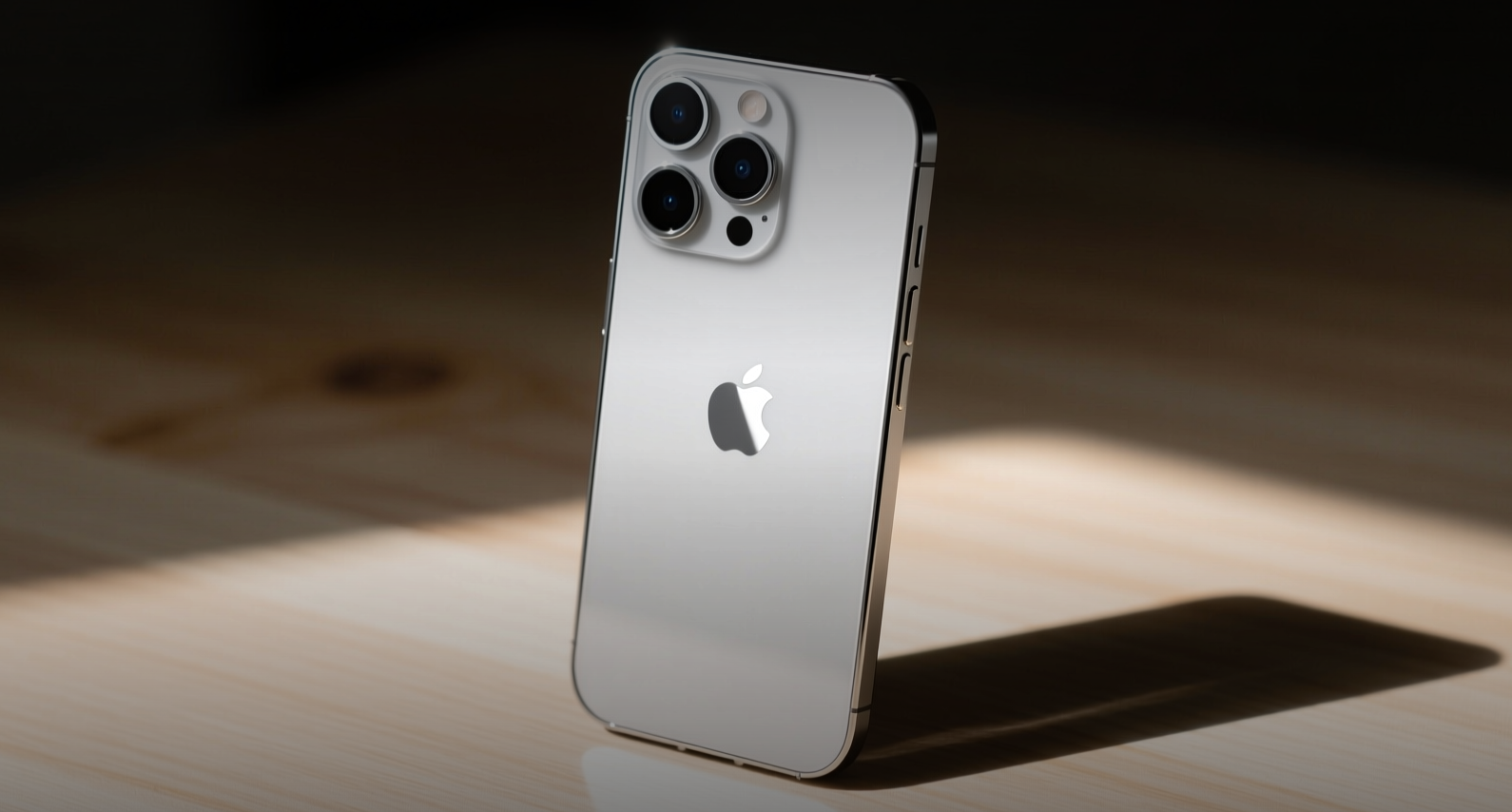
Apple Inc. is entering a phase where its artificial intelligence platform may not just enhance existing products but redefine the entire device upgrade cycle, blurring the line between functional and obsolete hardware across its ecosystem of more than 1.2 billion active devices.
"As Apple Intelligence spreads across devices, the threshold for what constitutes a usable device shifts upward," said Rachel Kim, an analyst covering semiconductor supply chains and AI infrastructure at Edgen. "Users who were content with a three-year-old iPhone may find that the latest AI features simply don't run on older hardware, creating a natural upgrade trigger."
Apple shares rose 3.37 percent on Friday to $298.01, bringing year-to-date gains to 10 percent and extending a 12-month rally of 48.9 percent. The stock has returned 129.7 percent over five years, reflecting investor confidence that Apple Intelligence — the company's suite of on-device and cloud-based AI capabilities — will accelerate hardware replacement cycles in a way that previous software updates did not.
The upgrade thesis hinges on a simple constraint: Apple Intelligence requires the A17 Pro or M-series chips to run on-device models, effectively excluding the roughly 300 million iPhones sold before the iPhone 15 Pro. With memory prices projected to double by fall 2027, according to Microsoft's public guidance, and Apple already raising MacBook and iPad prices in June, the cost of building AI-capable devices is rising — but so is the incentive for consumers to upgrade.
Memory costs and supply chain pressure
The AI-driven upgrade cycle arrives as Apple navigates the most severe memory supply disruption in years. Chief Executive Officer Tim Cook warned in June that price increases on MacBooks and iPads were "unavoidable" because of soaring component costs, particularly memory. Microsoft said it expects storage and memory prices to double by the fall of 2027, a forecast that has rippled across the hardware supply chain.
Apple's response includes a reported partnership with Intel to design and manufacture chips in the United States, backed by the Trump administration as part of broader efforts to build domestic semiconductor capacity. The deal, if it covers leading-edge logic and memory, could give Apple greater supplier diversification versus Taiwan Semiconductor Manufacturing Co. and Asian memory makers, and more leverage in negotiations as AI-driven demand keeps components tight.
The political dimension carries its own risks. President Trump has threatened tariffs of up to 300 percent on certain imported chips, and any conditions tied to government subsidies or equity stakes in the Intel partnership could limit Apple's future sourcing flexibility. For now, the market is pricing the supply chain strategy as a net positive: Apple's 10 percent year-to-date gain outpaces the Nasdaq's 8.2 percent rise.
What this means for the installed base
Apple's installed base of more than 1.2 billion iPhones, plus roughly 200 million iPads and 100 million Macs, represents a replacement cycle opportunity that few companies can match. The last supercycle — driven by the iPhone 12's 5G upgrade in 2020-2021 — pushed Apple's revenue past $365 billion. An AI-driven cycle could be larger, analysts at Morgan Stanley have suggested, because it spans three product lines rather than one.
The competitive stakes are high. Samsung already has large in-house foundry capacity through its semiconductor division, while Microsoft and Google rely on external fabs for AI hardware. Apple's decision to work with Intel on U.S.-based production signals that securing long-term chip supply is central to its device and Siri AI roadmap, according to the company's public statements.
For investors, the question is whether the upgrade cycle materializes quickly enough to offset rising input costs. Apple trades at roughly 30 times forward earnings, a premium to the S&P 500's 22 times, reflecting the market's expectation that Apple Intelligence will deliver what previous incremental updates did not: a genuine reason to replace a device that still works.
This article is for informational purposes only and does not constitute investment advice.