

Apple's 6% plunge after raising Mac and iPad prices by as much as 25% has split Wall Street into those buying the dip and those waiting for more clarity on demand.
Apple's 6% plunge after raising Mac and iPad prices by as much as 25% has split Wall Street into those buying the dip and those waiting for more clarity on demand.
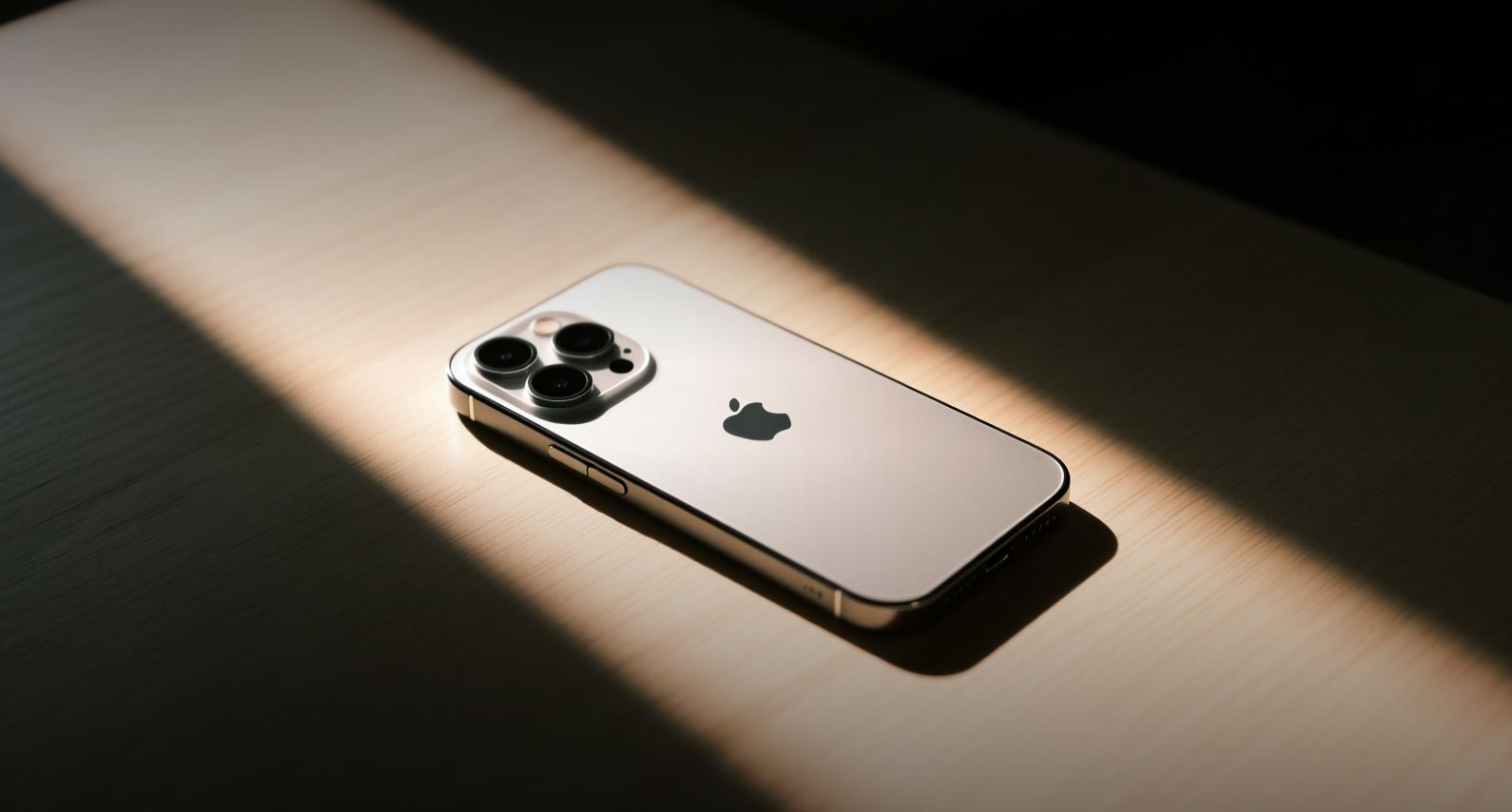
Apple's 6% plunge after raising Mac and iPad prices by as much as 25% has split Wall Street into those buying the dip and those waiting for more clarity on demand.
The Nasdaq 100 rose 0.75% to 29,440 even as Apple sank 6.2%, the most since September, after raising Mac and iPad prices by as much as 25% to offset surging memory costs that CEO Tim Cook called a "hundred-year flood."
"Apple has more pricing power than any other company in the market, and this pullback creates a compelling entry point for long-term investors," said Dan Ives, managing director at Wedbush Securities, who maintained his Outperform rating through the drop.
The selloff in Apple dragged down other consumer tech names, with Microsoft falling 3.5% and Dell losing 6%. Memory chipmakers surged in the opposite direction — Micron jumped 16.3% after reporting quarterly revenue of $41.5 billion, quadruple the prior year, while Sandisk gained 19.5%. The divergence reflects a market grappling with the knock-on effects of the AI infrastructure buildout: higher component costs for device makers but windfall profits for chip suppliers.
The key question for investors is whether Apple's price increases will hold without crushing demand. If Mac and iPad sales remain strong through the back-to-school season, it would reinforce the pricing-power thesis. If they weaken, the argument for buying the dip loses its foundation. Apple's next earnings report, expected in late July, will provide the first real test.
Revenue Hits $111 Billion as Margins Expand
Apple's Q2 FY26 results showed a company with expanding margins and record cash generation. Revenue reached $111.18 billion, up 16.6% from a year earlier, while diluted EPS of $2.01 beat the $1.94 consensus — the eighth consecutive earnings beat. Services revenue hit a record $30.98 billion, and gross profit grew 22.1%, outpacing revenue growth and showing pricing leverage across the product lineup. The board authorized a new $100 billion buyback and raised the dividend 4% to $0.27 per share.
Technical Support Meets Wall Street Optimism
The stock found support near its April low, coinciding with a rising 200-day moving average around $269. The 14-day relative strength index stood at 45.84 on June 24, putting Apple in neutral territory rather than oversold. Polymarket traders assigned a 93.6% probability that Apple would finish the week above $270 but only a 45% chance it would close above $280, suggesting expectations for near-term upside remain mixed.
Wall Street remains broadly bullish. The consensus analyst price target is $314.42, supported by 30 Buy ratings, 15 Holds, and just 3 Sells. However, Chairman Arthur D. Levinson sold more than 270,000 shares during May, and recent insider activity has been skewed toward selling, though much of that appears tied to scheduled vesting and prearranged trading plans.
The broader market showed resilience despite Apple's drag. The S&P 500 slipped less than 0.1% to 7,357.50, while the Dow Jones Industrial Average added 0.14% to 51,920.62. The divergence between Apple's decline and the Nasdaq's gain shows how concentrated the selling was in consumer hardware names, while semiconductor and AI infrastructure stocks absorbed capital rotating out of Apple.
CEO Tim Cook described the supply backdrop as a "hundred-year flood" for memory and storage costs, with AI data-center demand driving component prices sharply higher. Apple pre-announced Mac price increases of 15% to 20% and iPad increases of 15% to 25%, with dollar hikes ranging from $100 to $300 on affected SKUs. iPhone, Apple Watch, and AirPods pricing was left unchanged, though the company flagged the potential for further adjustments.
This article is for informational purposes only and does not constitute investment advice.
